Indian heptathlete Swapna Barman bagged gold in the challenging track and field event at Asian Games 2018, it held at Jakarta and got featured in the FEMINA cover page of the 2019 Jan Issue. Koch Rajbongshi Tribe is proud of her achievement. Earlier this month of December 2018, State Bank of India selected Swapna Barman as the Brand Ambassador for its digital app YONO that makes both lifestyle and banking available through a single app.
The other sportswomen are Rahi Sarnobat, the first Indian woman shooter to win an individual Asian Games gold in the 25m pistol event; and Vinesh Phogat, who won India’s first gold medal in women’s wrestling at Asian Games 2018 and Hima Das, the sprinter from Assam who won a silver medal in the 400m finals.
Femina had played a significant role to promote sportswomen through their avenues which will help Indian sportswomen to come up and represent our country India.
The Truth with reference to Six Communities ST Bill 2019 :No ST Bill For Six Tribe
Date 9th Jan 2019
The ST Bill of the six communities (Koch Rajbongshi, Tai Ahom, Chutia, Tea Tribes, Moran and Matak) was not presented in the Business Hour as a Bill on 8th January 2018. Trusting words of Politician or their promise is a debatable topic in India. They never walk their talk.
There was no Bill for six community in the Lok Sabha on 8 Jan 2019. To view the document you may go through the Lok Sabha website https://loksabha.nic.in/Index.aspx (or) Click
Until and unless the ST Bill of the six communities of Assam is presented as a Bill in the Business Hour, we cannot rely on the promises of any politician or any community members.
Many of the community members of (Koch Rajbongshi, Tai Ahom, Chutia, Tea Tribes, Moran and Matak) expressed that they had tasted the water many times, and they will not trust any political party, until and unless they see the positive output before the 2019 election.
The leaders and members of the Koch Rajbongshi (Koch) Tribe of Assam had expressed that they had been constitutionally demanding their constitutional rights of Tribal Hood from the government of India since 1968, through various memorandum, and it’s quite common for them to see such kind of news before election ever time and this time it would be difficult for the ruling party to play any kind of tricky game of words to fulfill their long-standing demands, unless the member of the parliament pass the ST Bill for them in the Business Hour of the Parliament to confirm ST Hood to the Koch Rajbongshi (Koch) Tribe of Assam, no one is going to trust any political group or policymakers.
A group of youth from the Koch Rajbongshi (Koch) Tribe of Assam had expressed that since 1968 they had been demanding recognition of the Kamatapuri Language as an official Language of Assam under Assam Official Language Act, as they almost consists of around 23% of the population of Assam; however in West Bengal Kamatapuri Language is been accepted as official Language in the year 2016, but in Assam, even after the Assam Accord of 1985, Kamatapuri Language and Koch Language did not get any recognization as an official Language of Assam under Assam Language Act. The scholar of Koch Rajbongshi expressed that the modern Assamese language and Bengali Language had evolved from the Old Kamatapuri Language which was the official Language during King Naranarayan and Chilaray. Koch Rajbongshi (Koch) Tribe is multilingual, they speak Koch Language, Kamatapuri Language, Assamese and Bengali Language, Hindi and English Language too if it is needed. They agree that Koch Language is their original Mother Tongue and it needs official recognition in the state of Assam and recognition in the 8th schedule under the constitution of India. There are no measures taken even after the Assam Accord to preserve the Koch Language and Kamatapuri Language of Assam, which is one of the Oldest Language of the Kamarupa, Pragjyotishpur, Kamatapur, Koch Dynasty, and Cooch Behar Princely State. They sincerely expressed that it is an urgent need to preserve the Koch Language as well as Kamatapuri Language otherwise; such a beautiful language will be lost in the time.
They also requested our media team if we can bring awareness among research scholar with reference to research for Kamatapuri and Koch Language.
Youth from the Koch Rajbongshi (Koch) tribe expressed the need for the documentation of their tribal classical music and tribal dance, Some of the Koch Rajbongshi youth mentioned that even after Assam Accord nothing is being actually done for Kamatapuri Language, Koch Language, or with reference to the preservation of Koch Rajbongshi culture and tradition.
As expressed by various Leaders of the Koch Rajbongshi tribe, they are very positive to support, provided the policy makers fulfill their constitutional rights in due time, Koch Rajbongshi leaders expressed that the political group will get support from the community provided the ST Bill of the Koch Rajbongshi is passed in the Business Hour of the Parliament.
The Six communities make almost 51% population of Assam, and if BJP really gives ST to this six community there is a very high probability that they may actually win the upcoming election. However, if their promise turns out to be a lie, definitely BJP may not able to win the election anymore. Assam needs to be protected under the 6th schedule of the constitution and transforming the entire area as Tribal-State is apt.
Hope their promise should not be another Election “Jhumla”; and on the basis of the past records, we really cannot trust any politicians.
The JPC 2006 report already recommended to add the six communities of Assam in the year 2006, the JPC recommended to add, an additional 11% for ST along with the present 15% reservation, there is already 39% reservation for various categories for the state of Assam, thereby 11% reservation room is available. Everyone is astonished why so much time is invested in the name of Modality Study by BJP and its Alliance, as the modality is already recommended in the JPC report of 2006. What is the new amendment added in the present modality study done by BJP is still not clear and the public want to know.
This is what True Love is all about: It was a busy morning, approximately 8:30 a.m., when an elderly gentleman in his 80’s, arrived to have stitches removed from his thumb.
He stated that he was in a hurry as he had an appointment at 9:00 a.m. I took his vital signs and had him take a seat, knowing it would be over an hour before someone would be able to see him. I saw him look at his watch and decided, since I was not busy with another patient, I would evaluate his wound.
On examining it, I found it well healed, so I talked to one of the doctors, got the needed supplies to remove his sutures and redress his wound. While taking care of his wound, we began to engage in conversation. I asked him if he had another doctor’s appointment this morning, as he was in such a hurry.
The gentleman told me no, and that he needed to go to the nursing home to eat breakfast with his wife. I then inquired as to her health. He told me that she had been there for a while and that she was a victim of Alzheimer’s Disease.
As we talked, I asked if she would be upset if he was a bit late. He replied that she no longer knew who he was, that she had not recognized him in five years now.
I was surprised, and asked him, “And you still go every morning, even though she doesn’t know who you are?”. He smiled as he patted my hand and said, “She doesn’t know me, but I still know who she is.” I had to hold back tears as he left, I had goose bumps on my arm, and thought, “That is the kind of love I want in my life.”
True love is neither physical, nor romantic. True love is an acceptance of all that is, has been, will be, and will not be.
From 205 Inspiring Anecdotes, Compiled by Fr. Anil Rego
Date: 19 September 2018 Event Name: Ethnic Day Celebration 2K18 Venue: Kristu Jayanti College (Autonomous), Bangalore, India.
Kristu Jayanti is known for embracing diversity and it’s the hub of diverse cultures which makes it truly an International campus. The college is known for providing world-class education and nurtures students to be well-rounded individual.
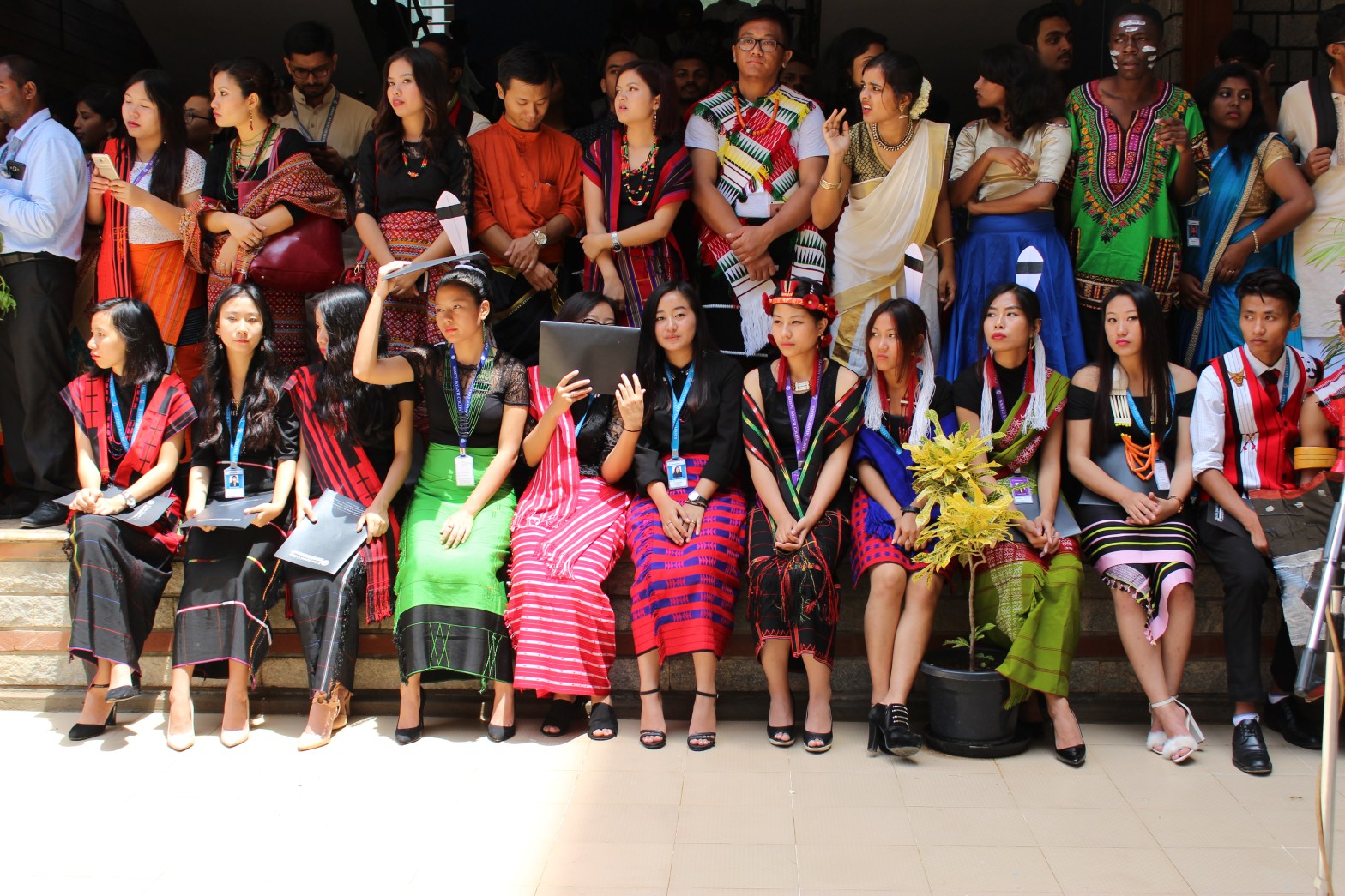
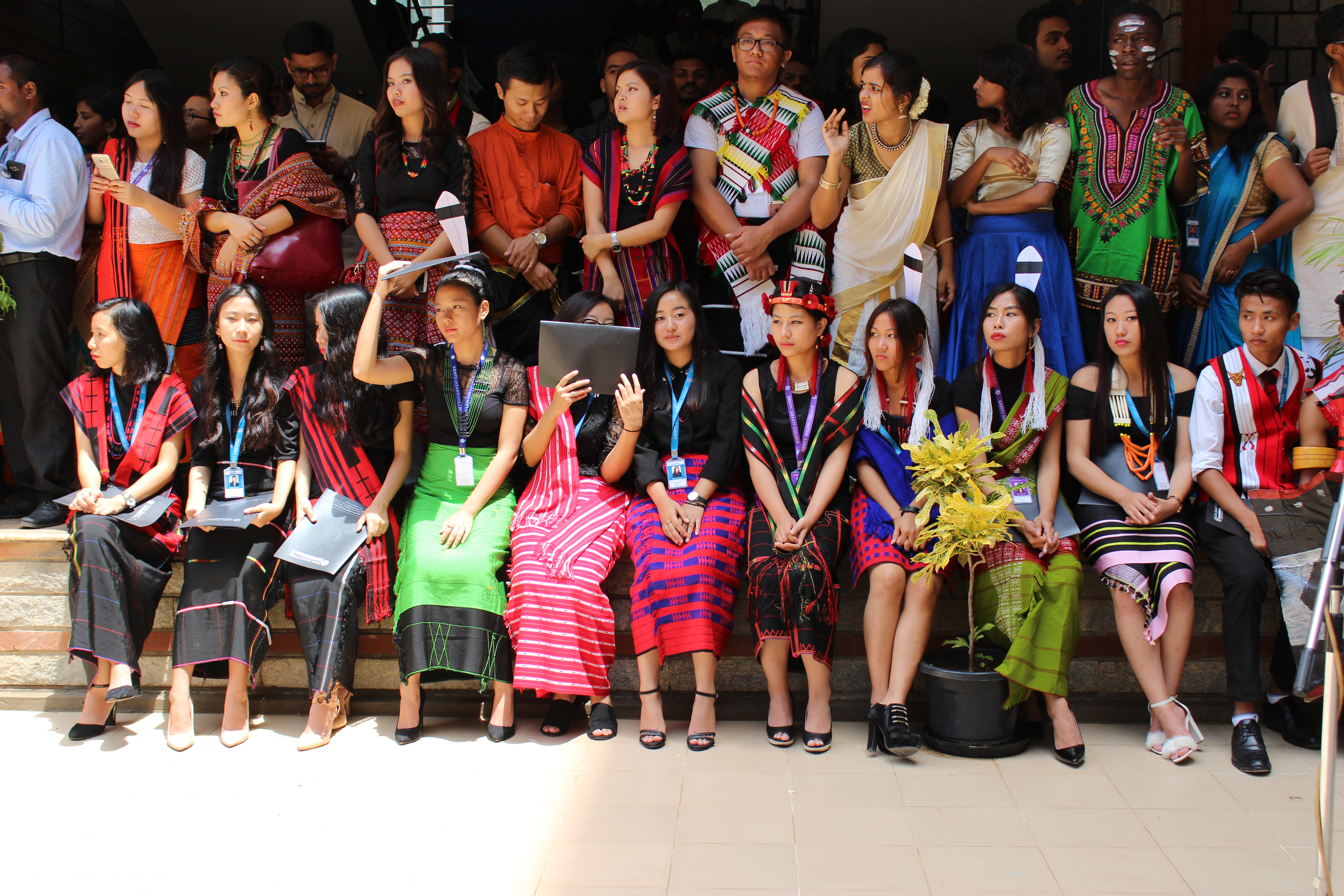
Kristu Jayanti celebrated Ethnic Day on 19 September 2018 as one of its special days to celebrate the cultural diversity of India and across the globe. The celebration was graced by the perfect weather of Bangalore and the serene atmosphere of the campus has added fragrance in the celebration.
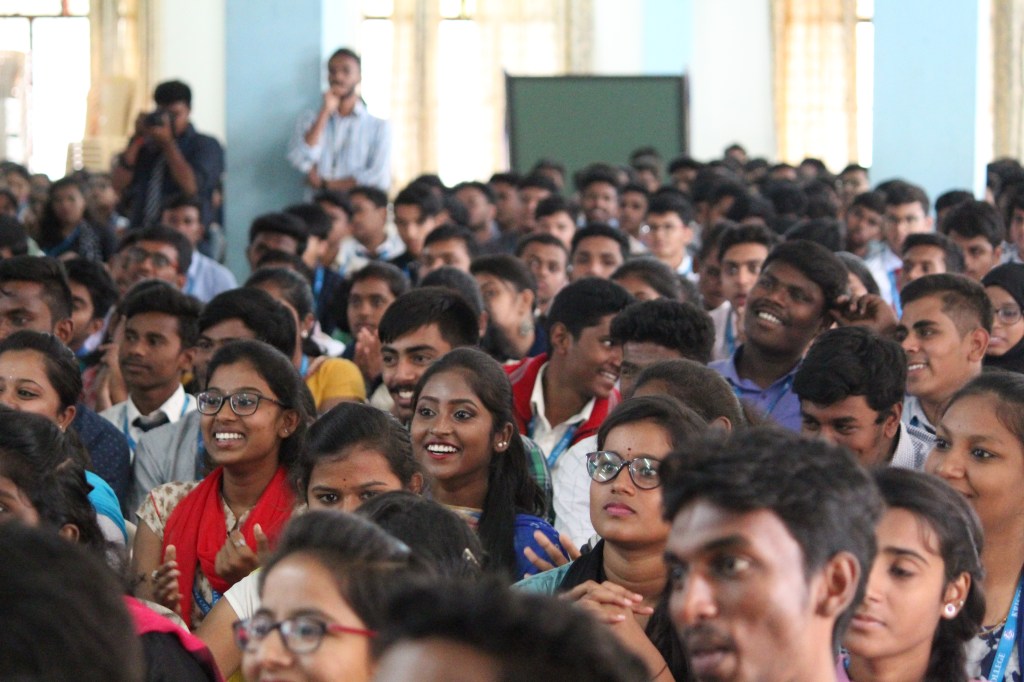
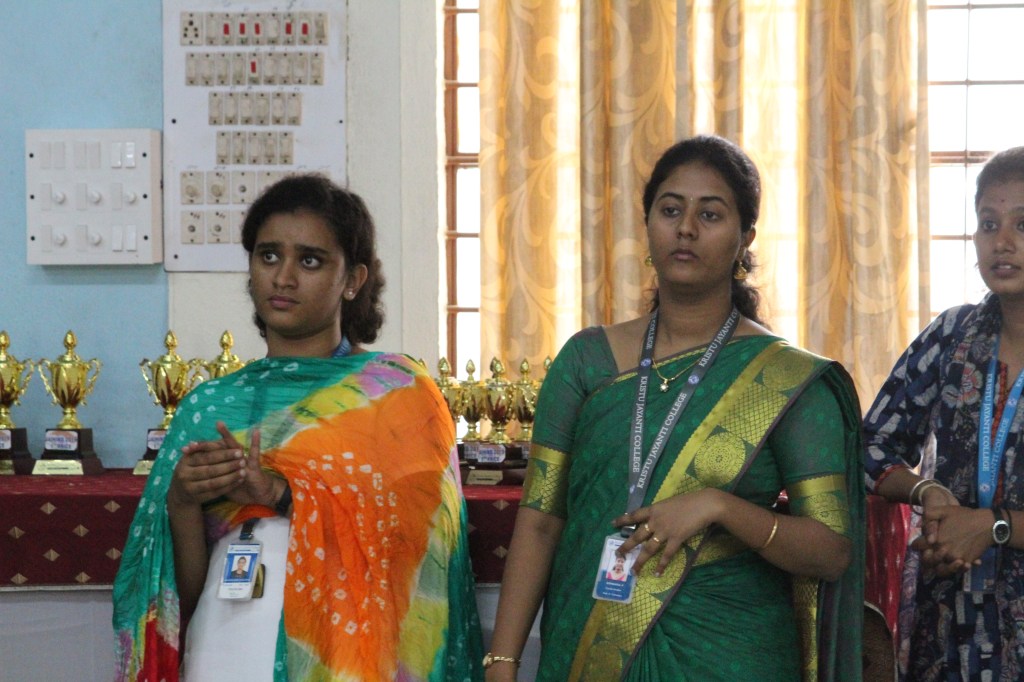
Students and faculty members celebrated the diversity of vibrant tradition and culture from across the globe, the campus was blooming with colourful ethnic atmosphere with the celebration of various cultural performances by the students.
Kristu Jayanti had paved an open opportunity to celebrate all the ethnicity from across the globe which will nurture the young minds to embrace the diversity and it will make them a truly global leader and international-minded.
Article By: Anusha Binu Kalthil, III Semester, BCom A, Kristu Jayanti College (Autonomous)
Date: 25 September 2018
Venue: Home of Faith Charitable Trust, Hennur Bagalur Road, Kothanur, Bengaluru
Class: III Semester BCom, Section A
Name of the Class Animator: Prof. Surjit Singha
The Objective of the Programme:
The objective of the programme was to provide assistance to the underprivileged and contribute to their integral development within the capabilities of the institution in order to meet their day-to-day and psychological needs, further to sensitize the students about the realities of the society and to develop people oriented attitudes and concern for others.
We read from 2 Corinthians 9:6 -7, “Remember this: Whoever sows sparingly will also reap sparingly, and whoever sows generously will also reap generously. Each man should give what he has decided in his heart to give, not reluctantly or under compulsion, for God loves a cheerful giver.” Inspired by the above words, students of third semester BCom, Section (A), under the guidance of the Class Teacher conducted a Social Outreach Programme (SoP) and had visited Home of Faith.
In Kristu Jayanti College we believe that the society which we live in, is the most important element, and students are collectively and individually encouraged to be responsible and do their best part for the welfare of the society. One such program is the Social Outreach Programme, where the entire section of a class visits to various NGOs like orphanages, old-age homes, and children’s home to extend their support in a best possible way.
Students of BCom (A) 3rd semester along with their class animator collected funds which were contributed generously and few had also contributed a large amount of grocery. Students along with their Class Animator Prof. Surjit Singha visited Home of Faith Charitable Trust on 25 September 2018.
Home of Faith was founded in the year 2006, the founder stated that God’s love had motivated him to take this assignment and touch the lives of children who had lost their parents and are homeless. HoF is an orphanage for both boys and girls, children who are residing there are as young as two years to their early teens.
The atmosphere at the Home of Faith is peaceful and children’s were full of love and energy to see the visitors, the very smile and joy had enlightened everyone and the guests were welcomed with bright smiles and open arms.
A bright young girl named Prathana had welcomed the guest of Kristu Jayanti with a beautiful song; Students of Kristu Jayanti had conducted various programmes for the children’s like action songs, beatboxing, songs, and dance.
It was a fun and a memorable day for each one of us. Hope this Programme inspires many to conduct such programme.
Here’s a little-detailed description of the things we provided them with:-
Rice 65 Kg
Sunflower Oil 20 Liters
Wheat Flour: 20 Kg
Tata salt
Sugar
Chilli powder
Soya beans 15 pack
Coriander powder
Turmeric powder
Chana Dal
Moong Dal
Disinfectant (clean citrus) 2 L
Vim liquid 500 ml
Shampoo
Writing Pens
Chart Papers
Soap
Feedback from the students:-
I am very happy to be a part of the SOP. It’s a good initiative taken by the college.
I felt very good to meet all the kids.
Visiting Home of Faith was one of the best memories! Loved the time spent with kids!
It was wonderful to see all the kids, they were so happy and enjoyed their time. I felt very privileged to visit the home of faith. Learned a lot of things, most importantly to be thankful for the life that God has gifted us. Big thanks to our college and our dear class teacher for this wonderful time.
It was truly a beautiful experience of visiting Home of Faith and to spend some quality time with the children. It teaches us that happiness is not found in money or luxury, it is a feeling that comes from the energy of love between people. I perhaps was one of the lucky ones along with my classmates to experience it.
Big Thanks to the college and our teachers.
Home of faith has changed our lives, it has shown us the real love between humans and I thank each and every one who planned this journey and I wish to visit HoF again in the future.
“Charity is indeed a blessing to those who receive it and to those who give it”.
Organized by: Department of Commerce, Kristu Jayanti College (Autonomous)
Location: Bengaluru, Karnataka, India
Date of the Event: 14 August 2018
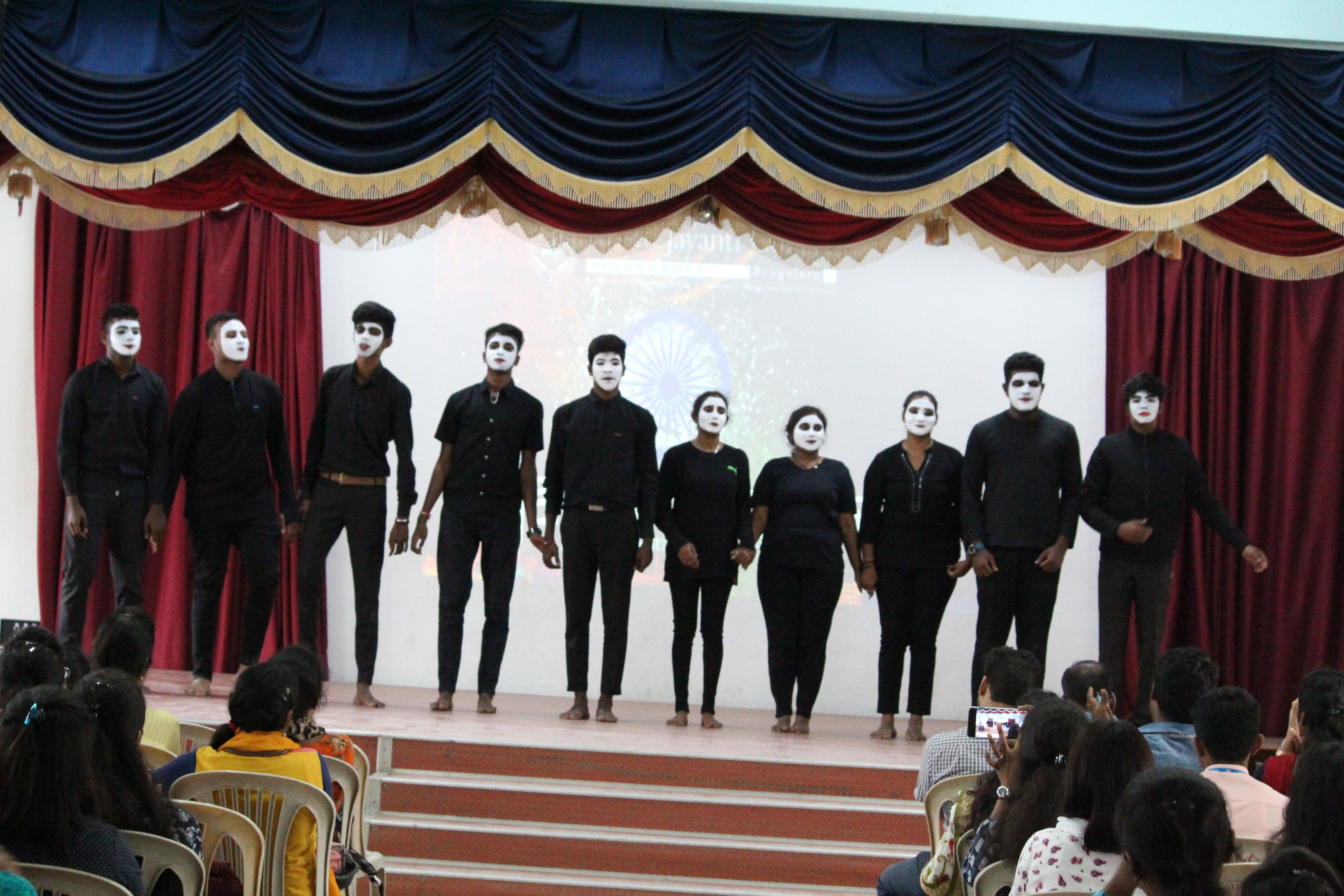
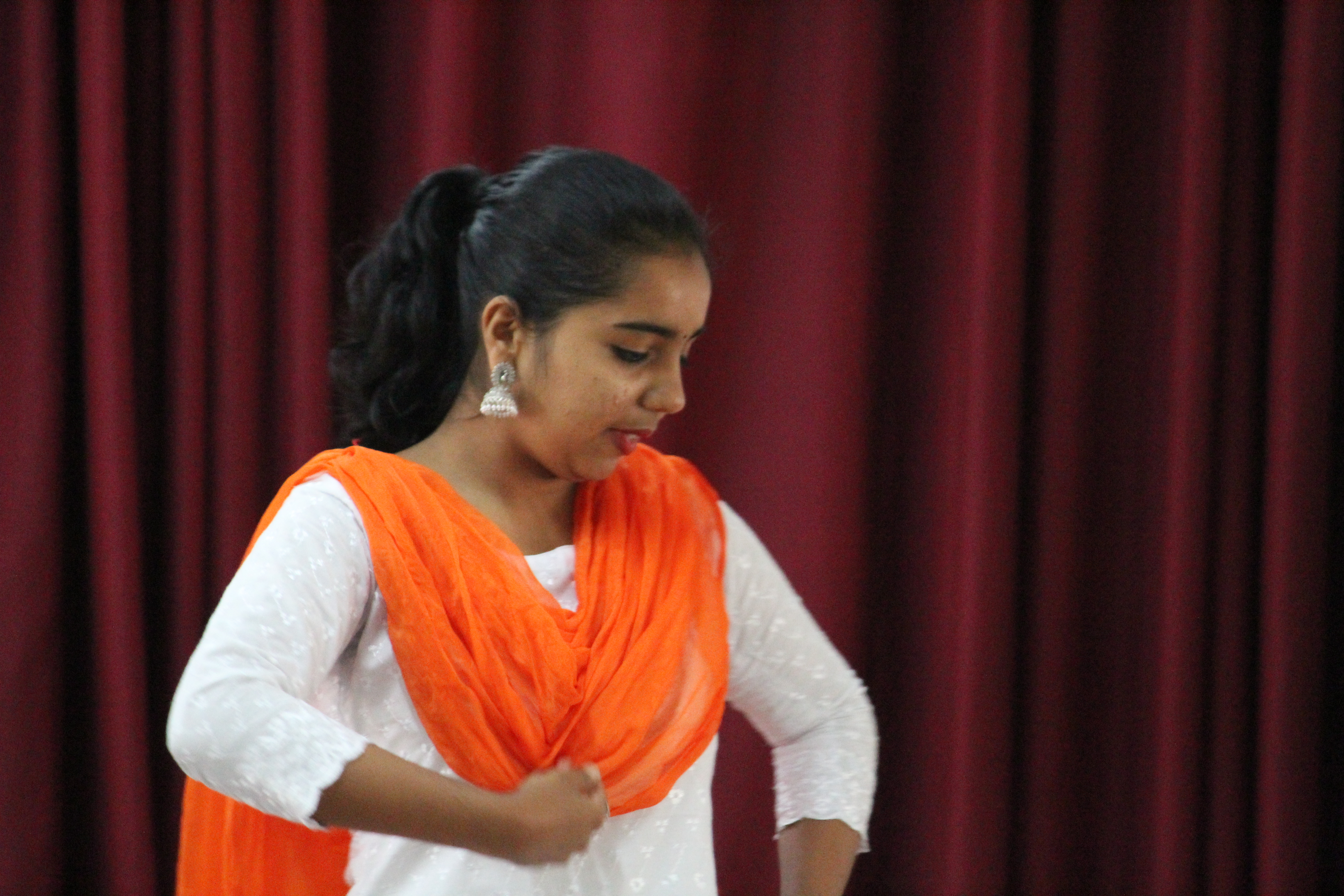
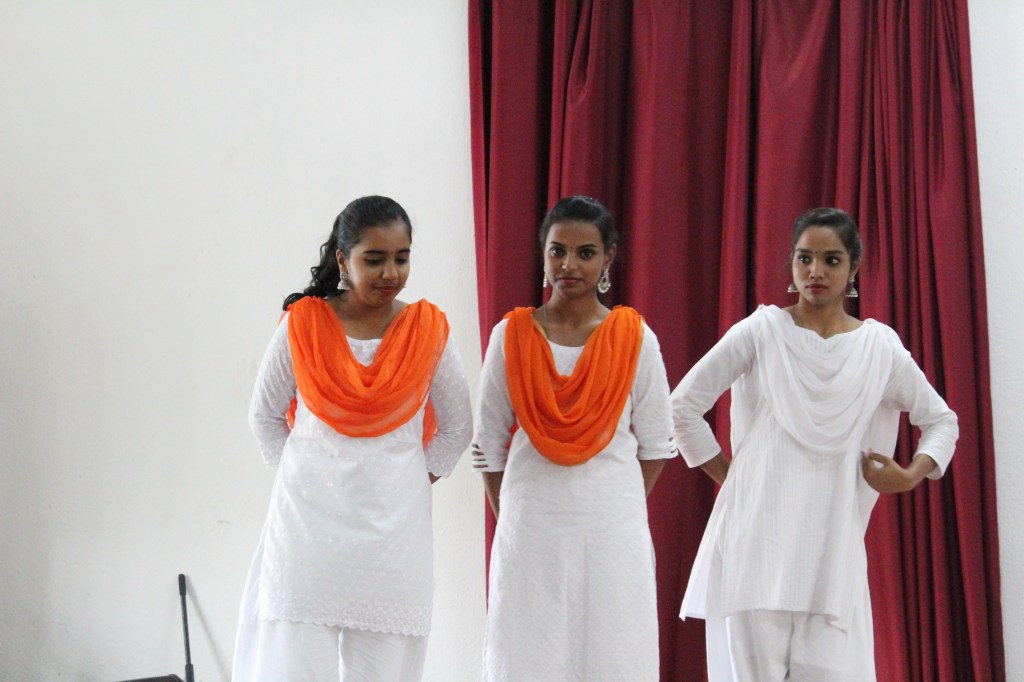
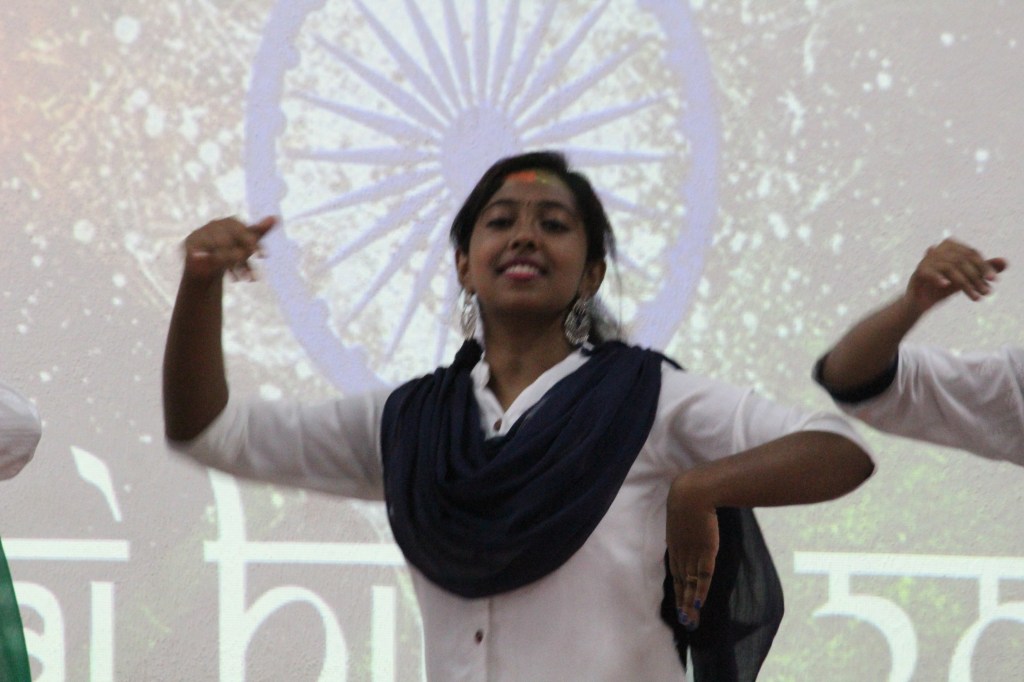
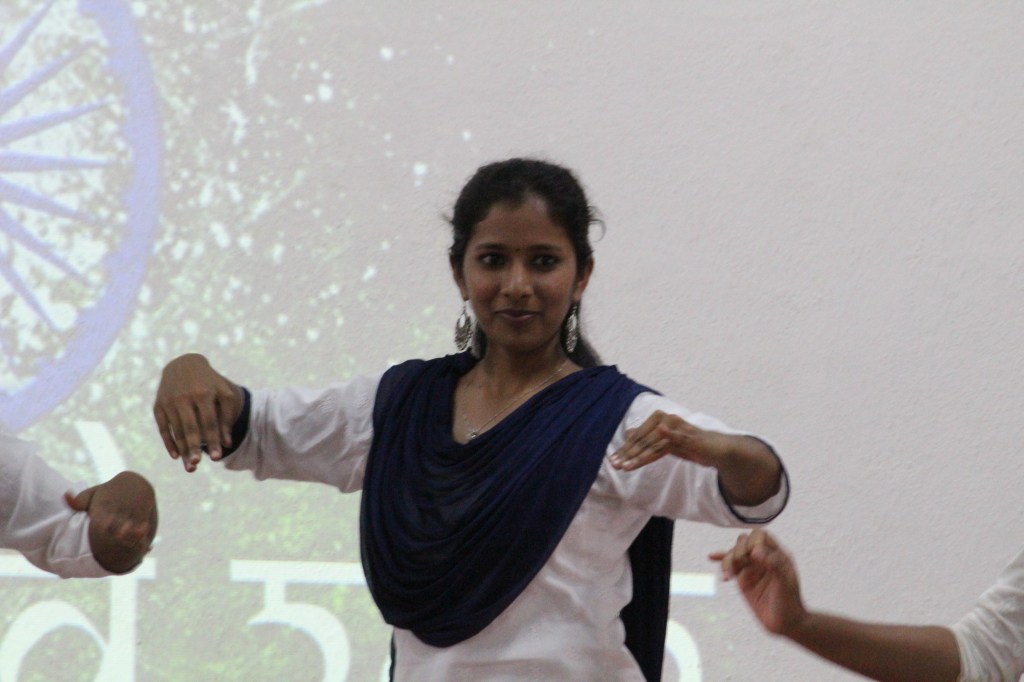
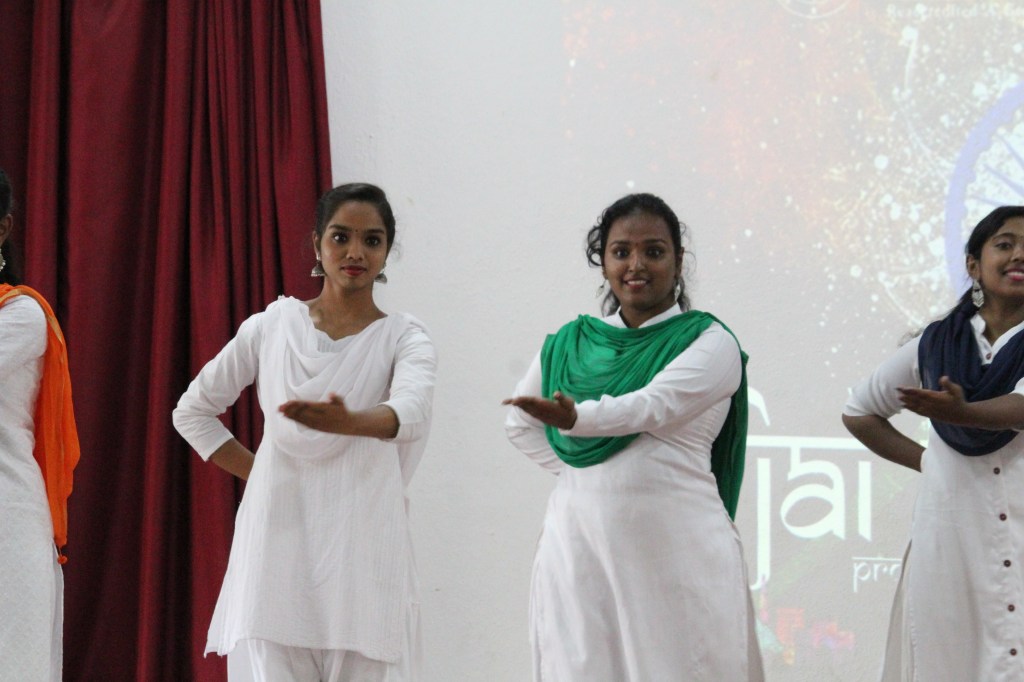
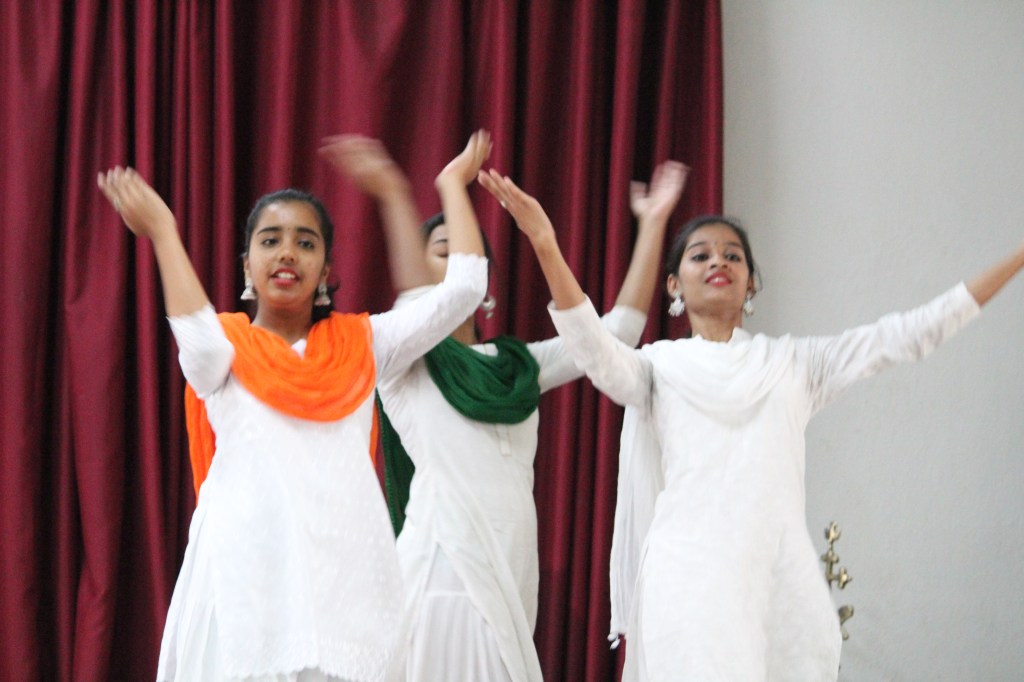
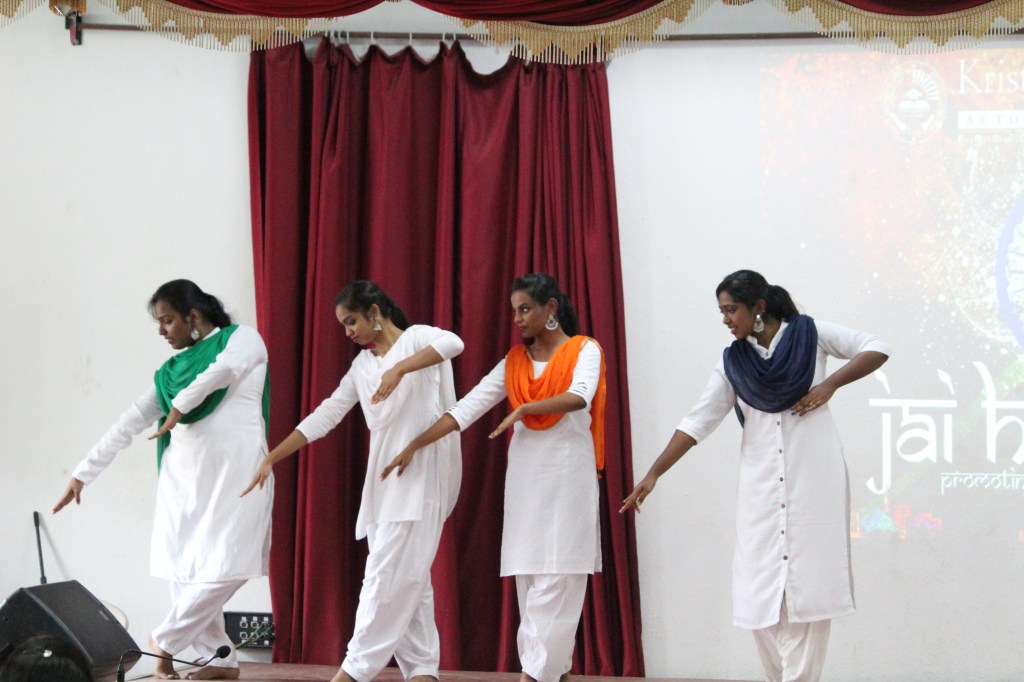
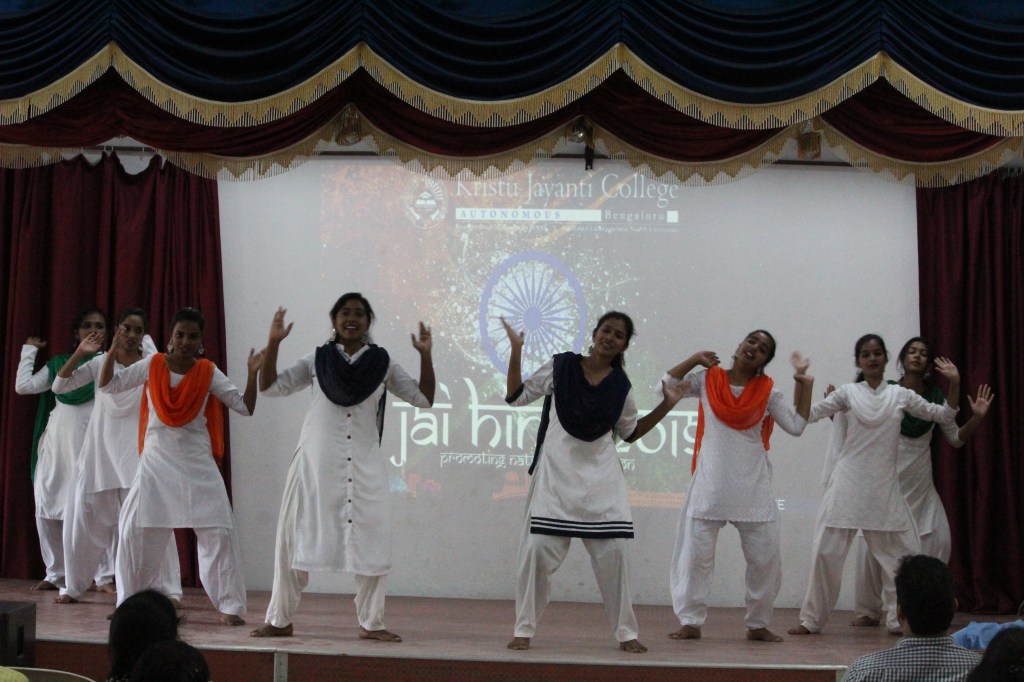
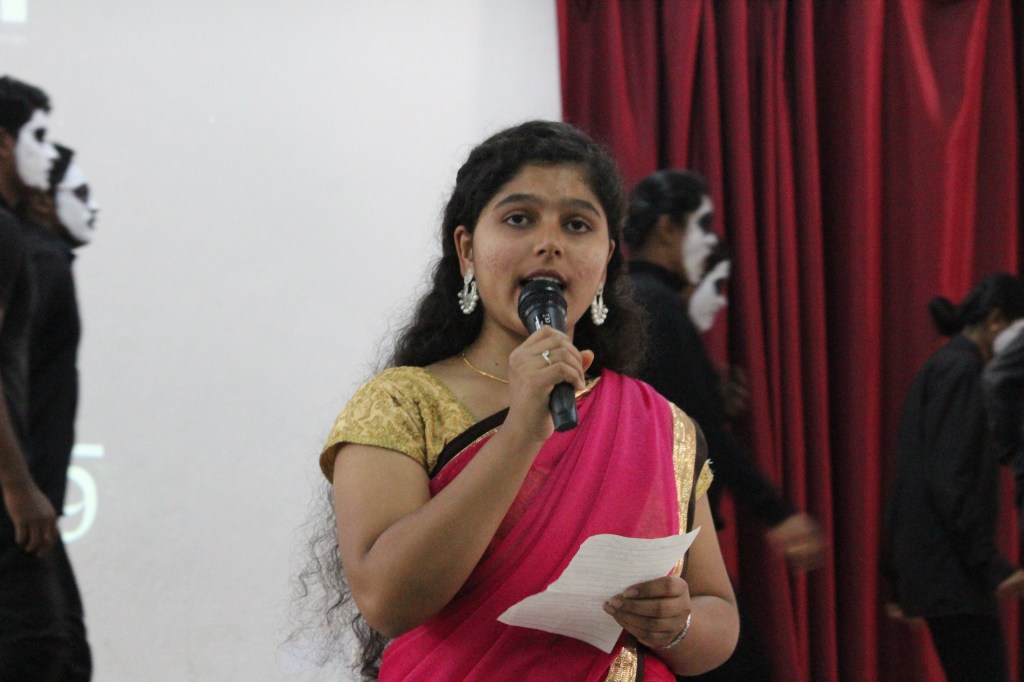
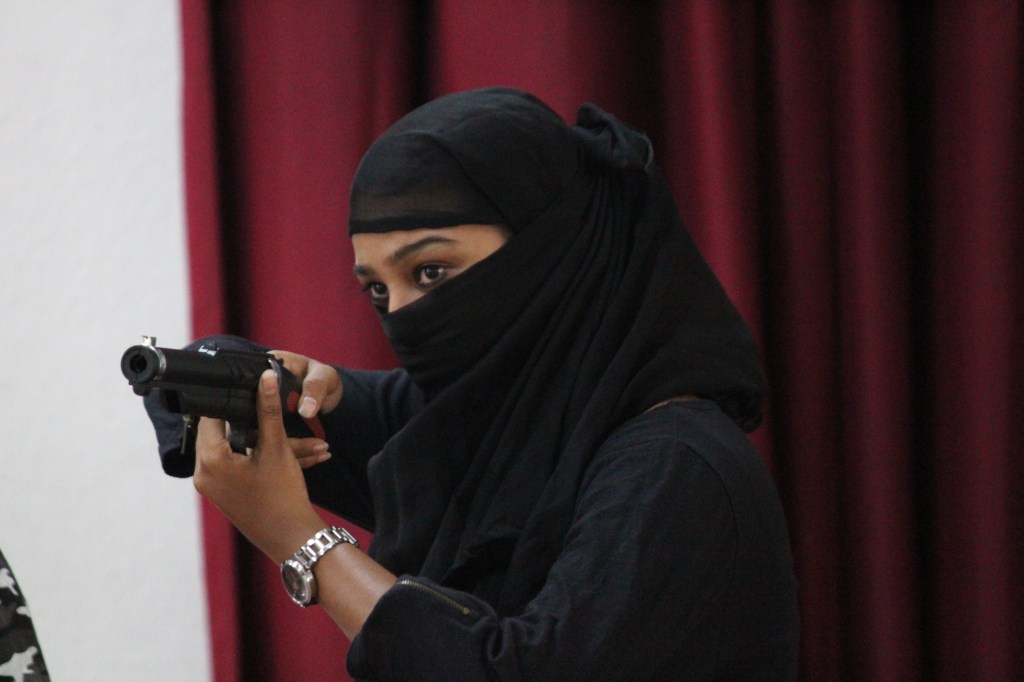
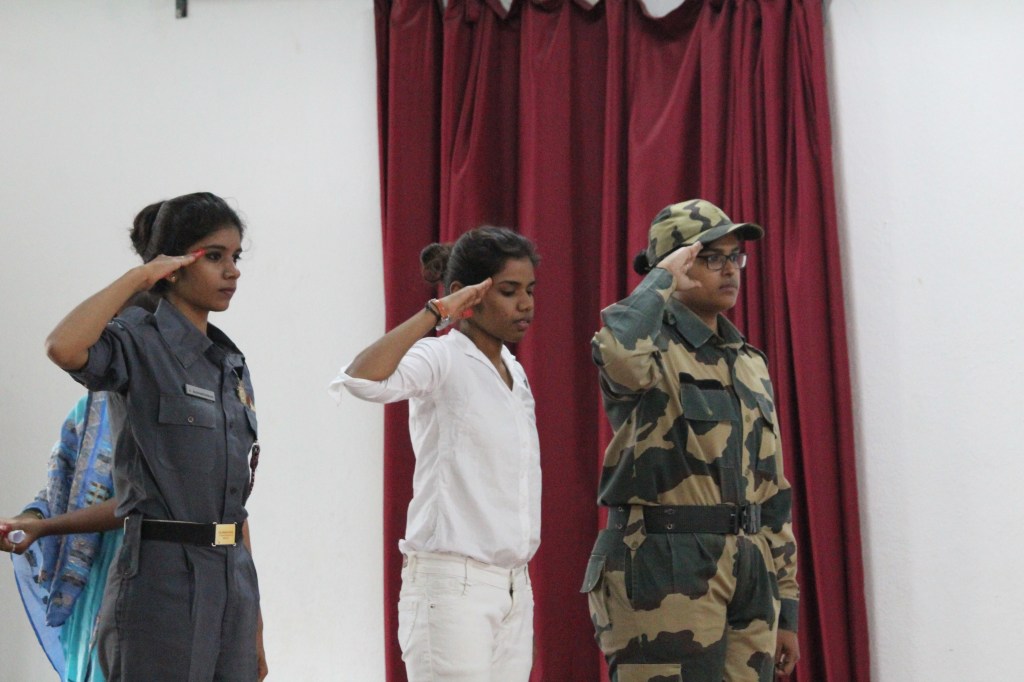
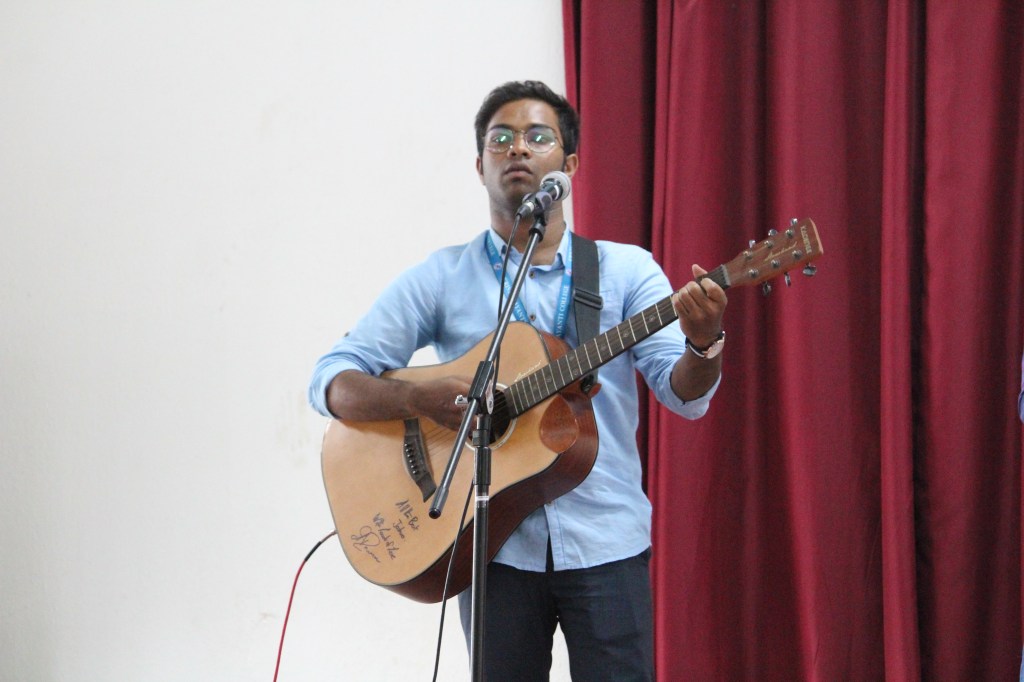
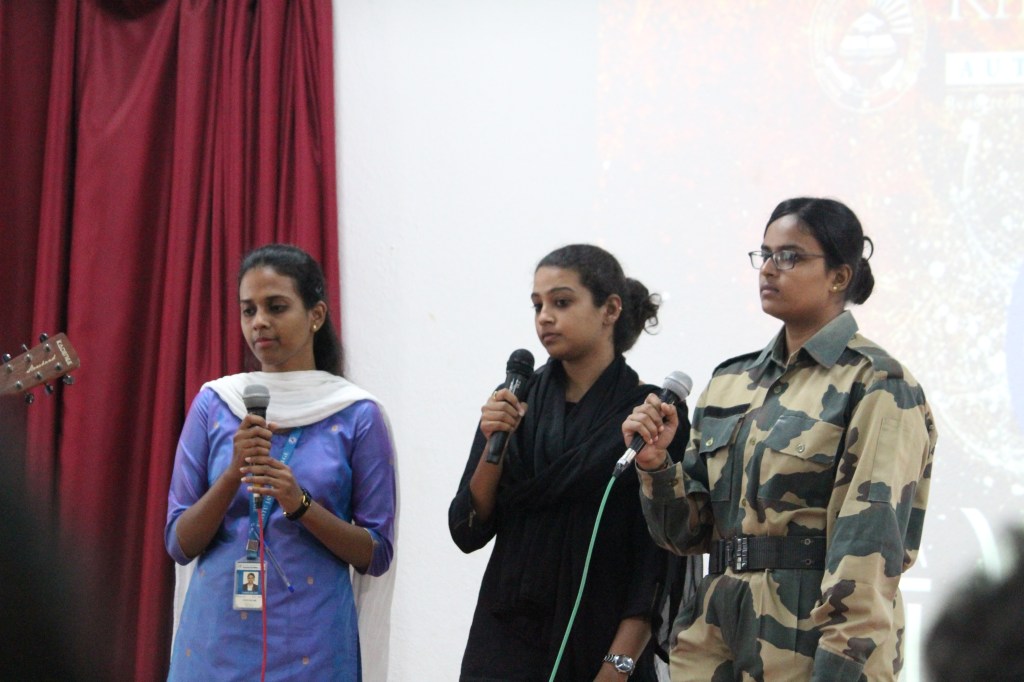
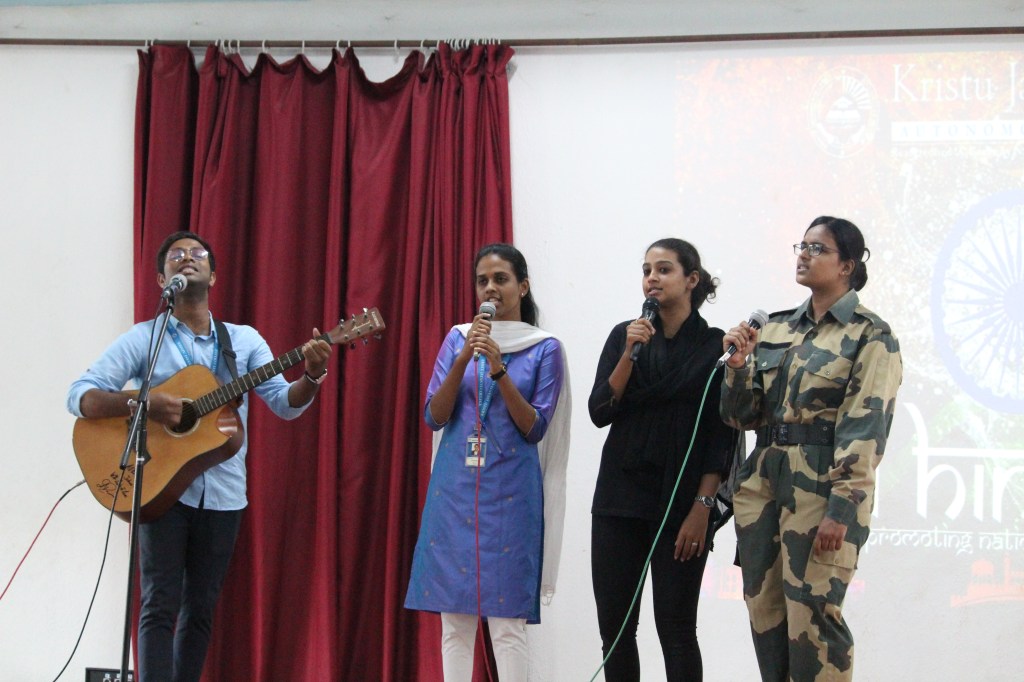
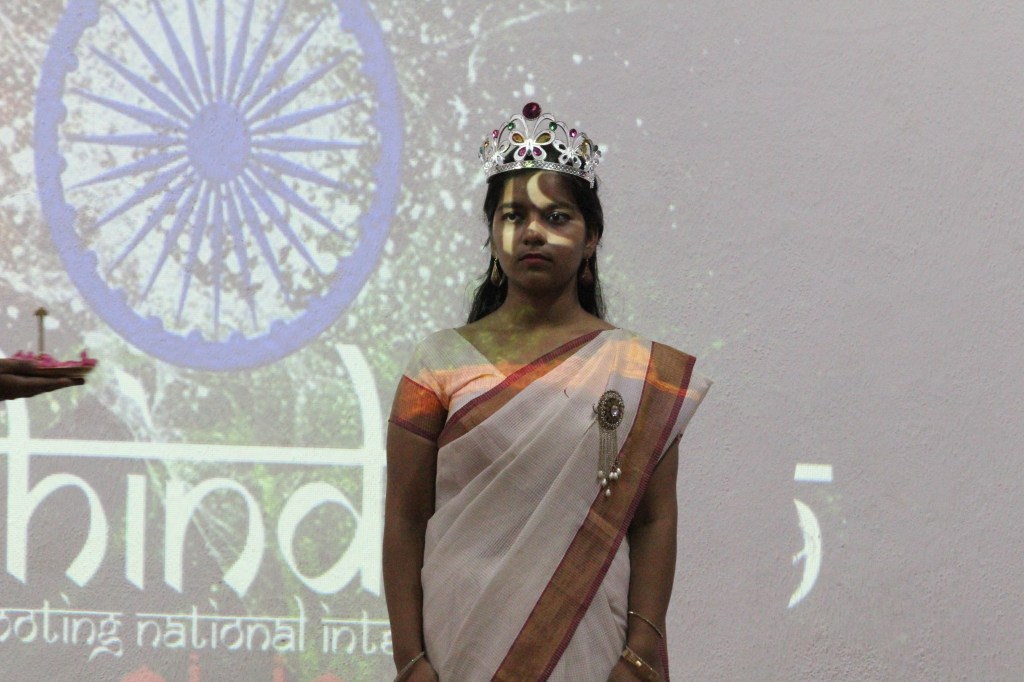
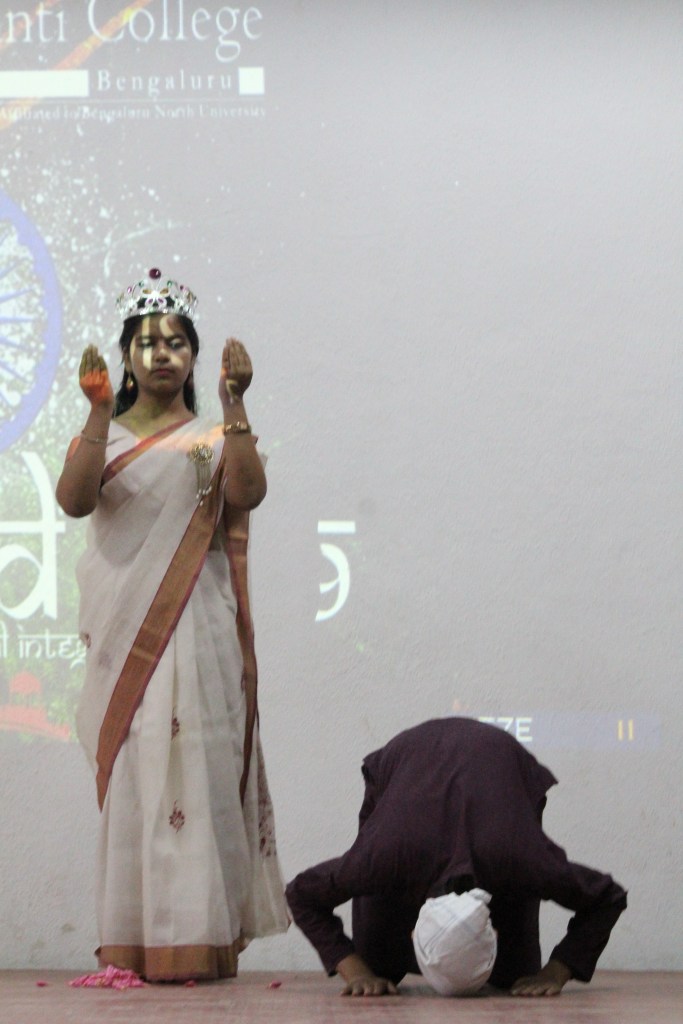
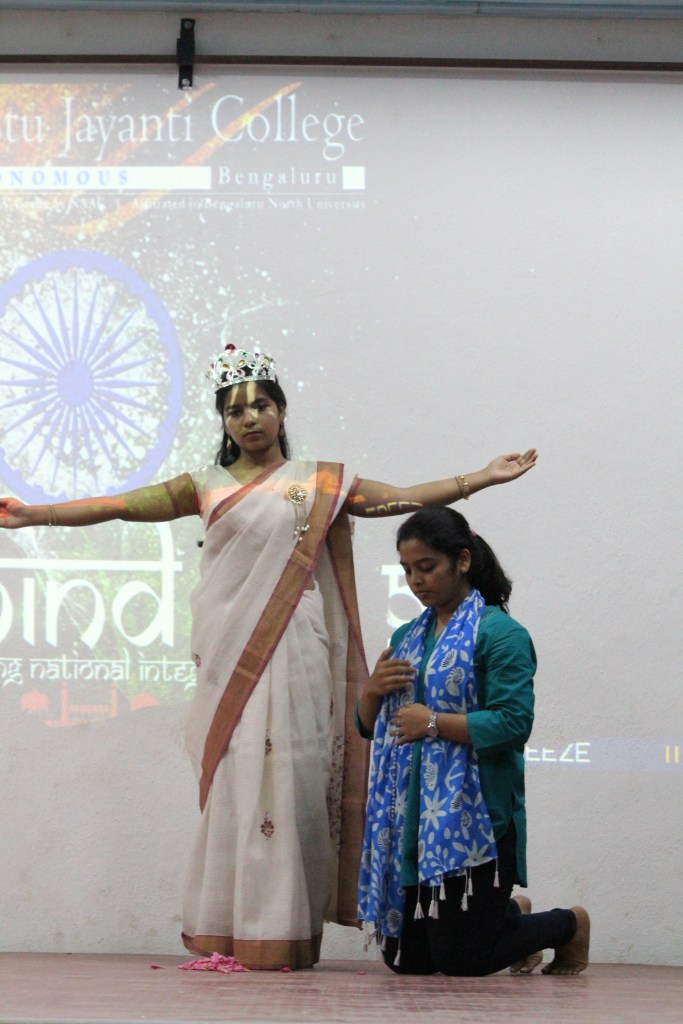
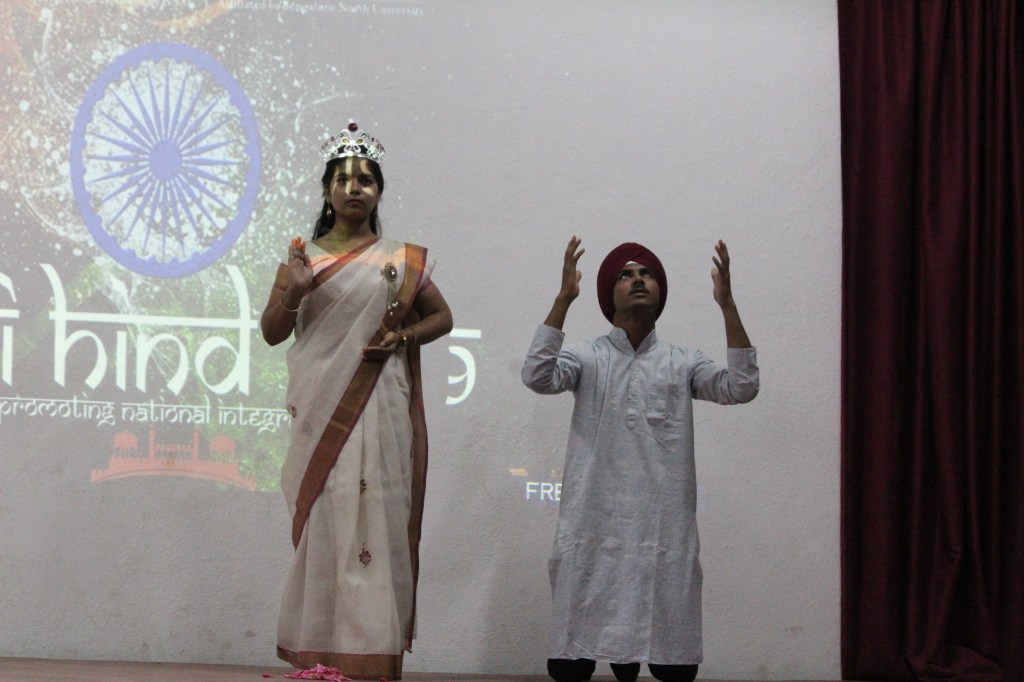
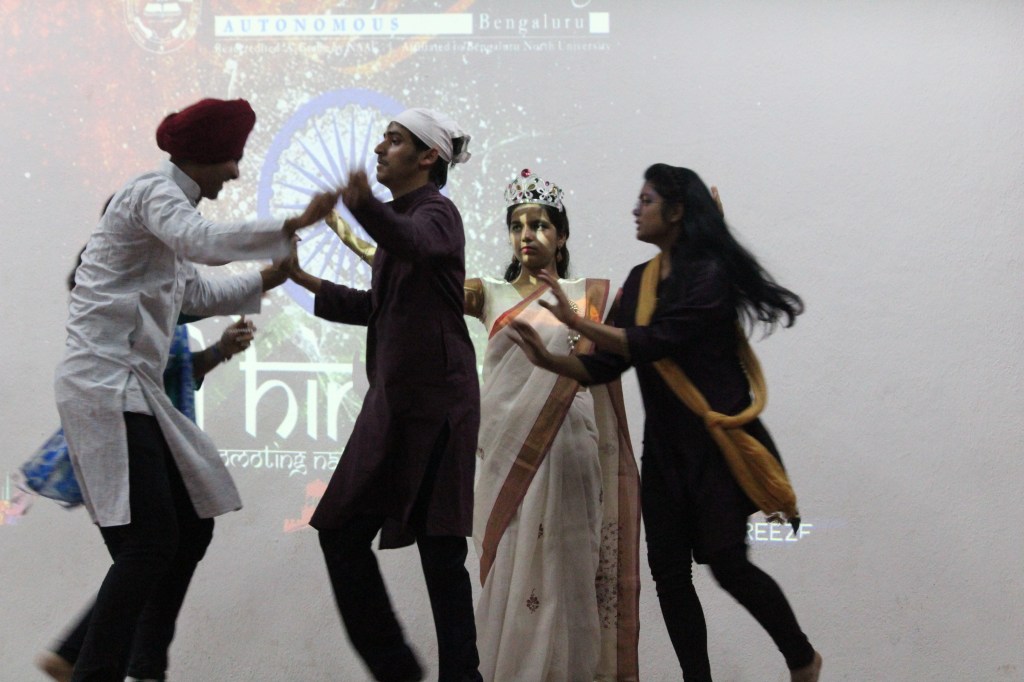
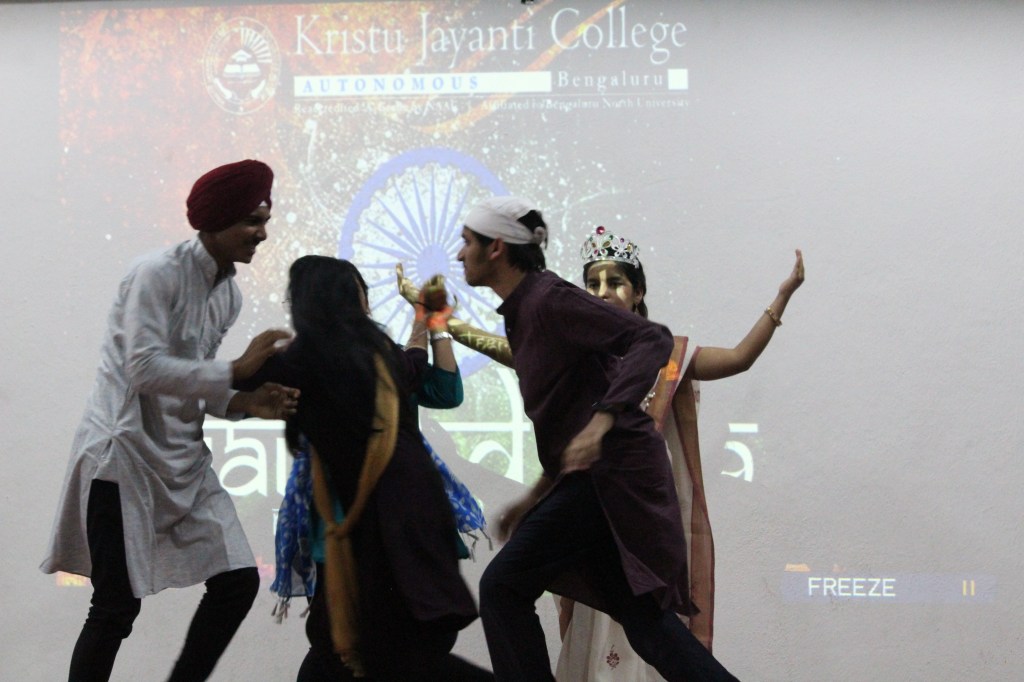
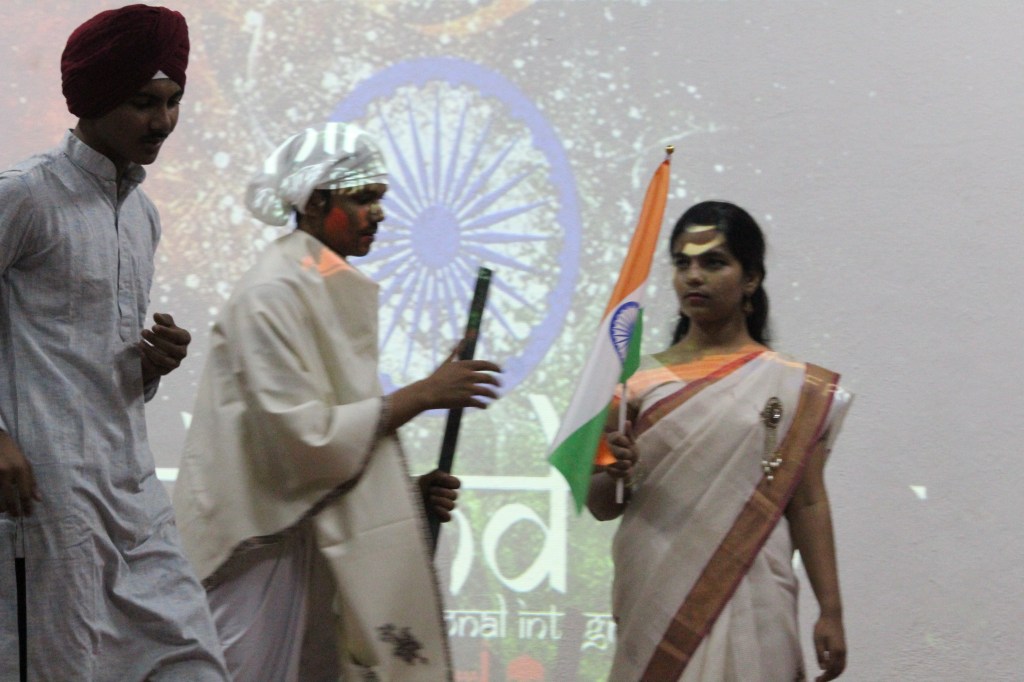
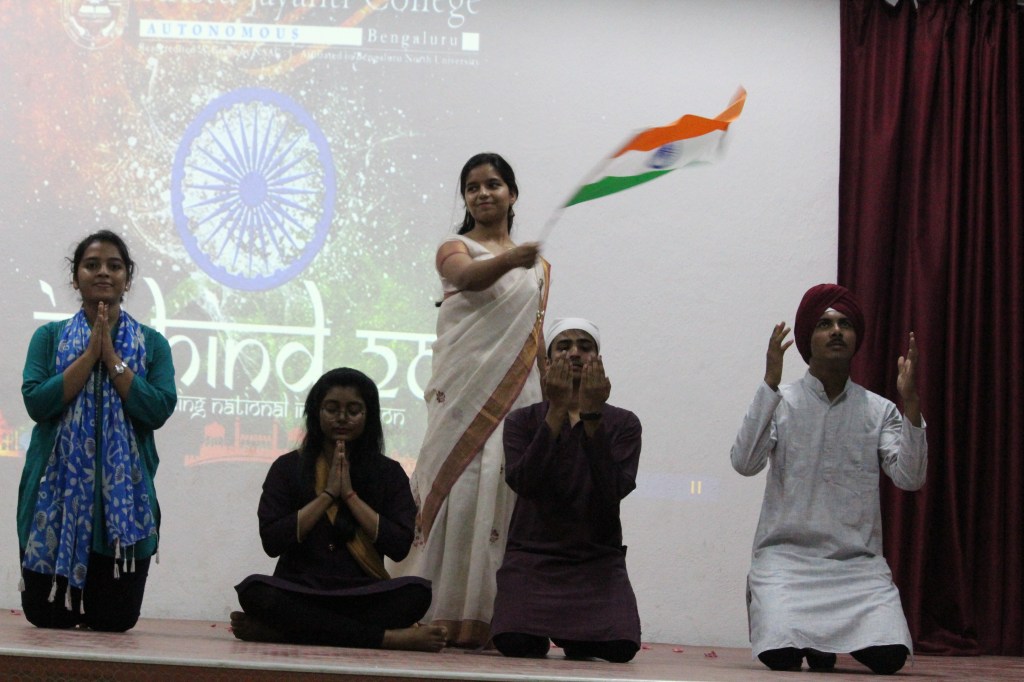
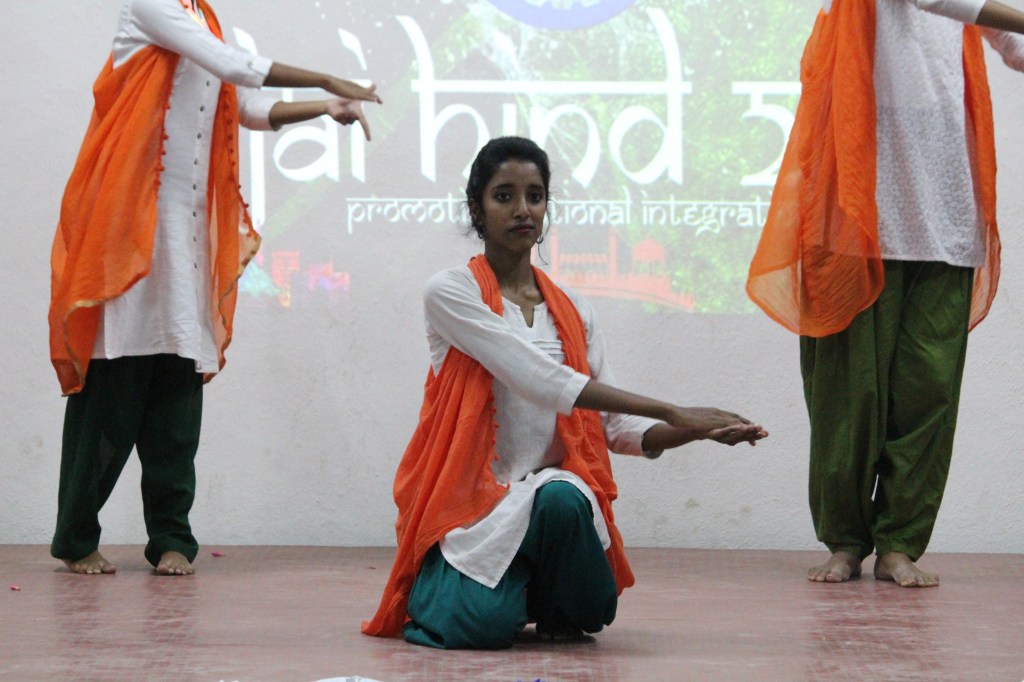
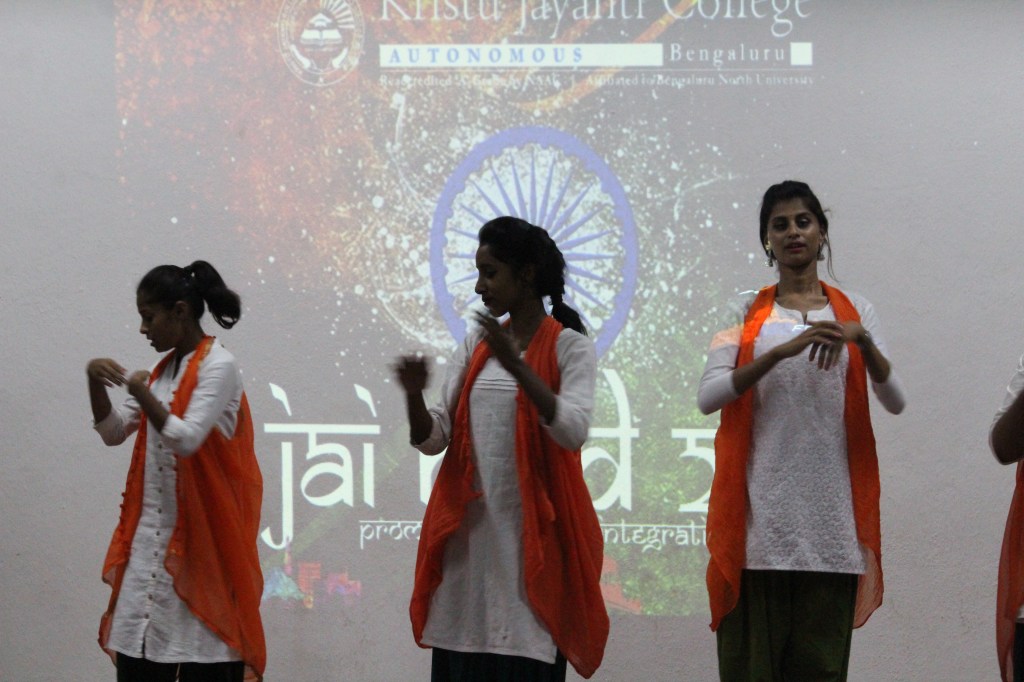
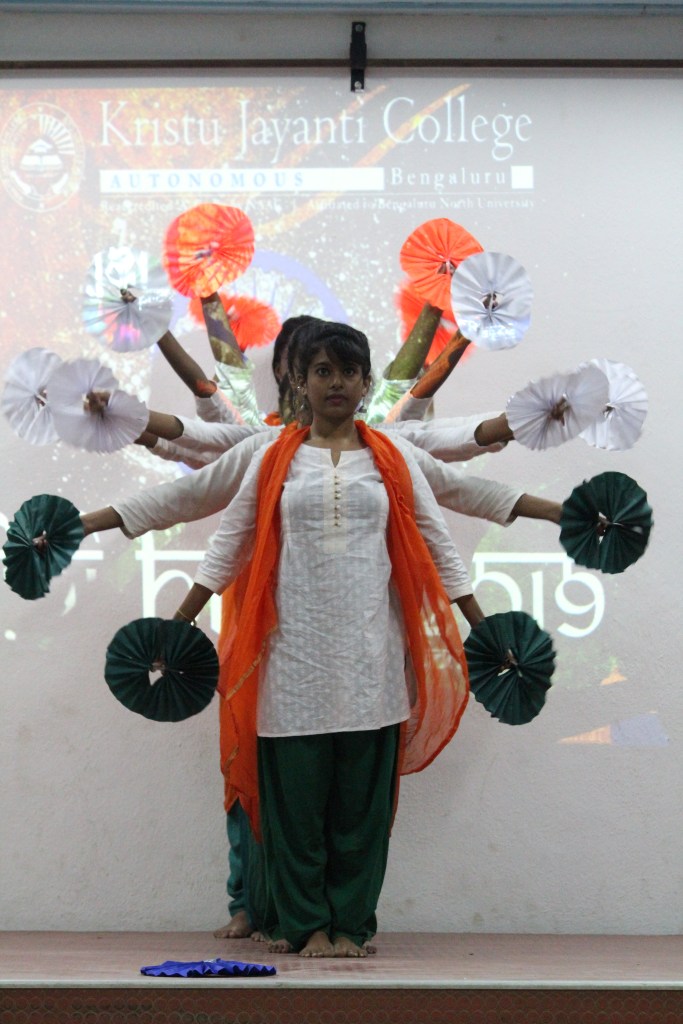
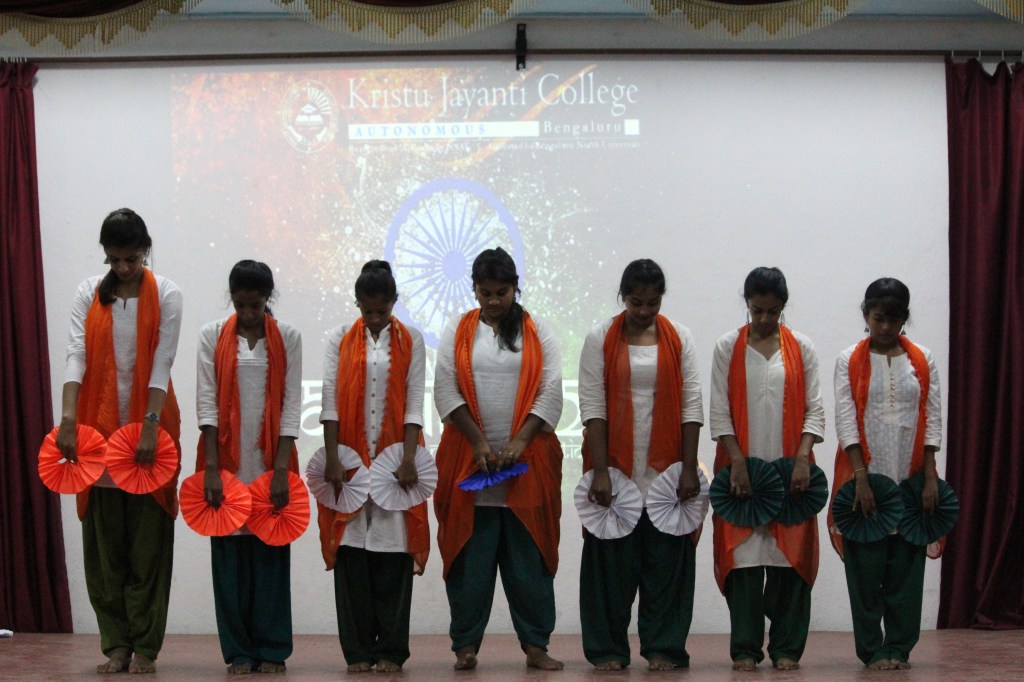
Department of Commerce, Kristu Jayanti College (Autonomous), had organized “Jai Hind 2018” on 14 August 2018, to inculcate the spirit of patriotism among the students. The programme was spread over a week comprising of various events like quiz, tableau, poster making, group dance, group song, skit & mime, Desh bhakti Bhaashan which had commenced from 30th July 2018.
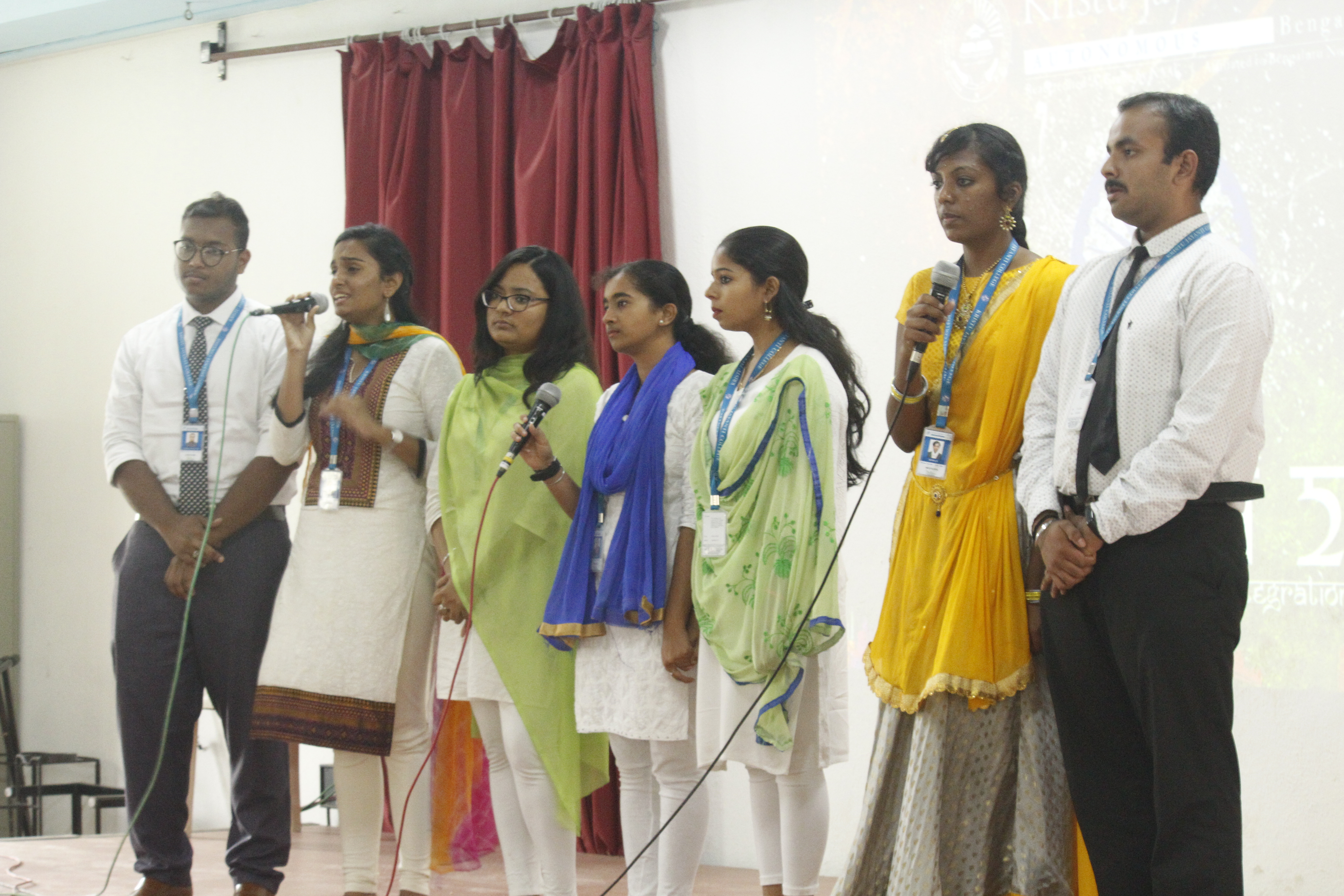
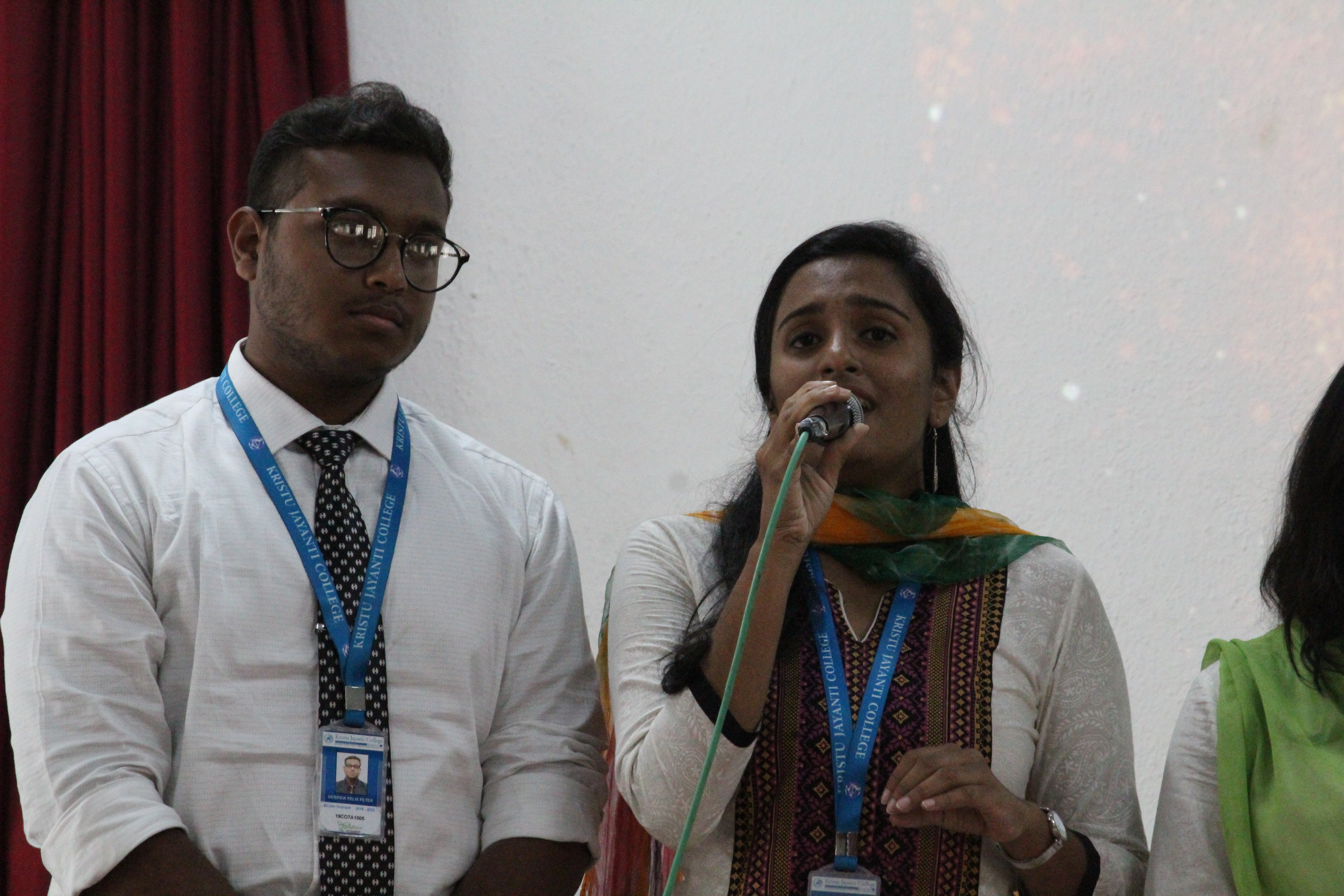
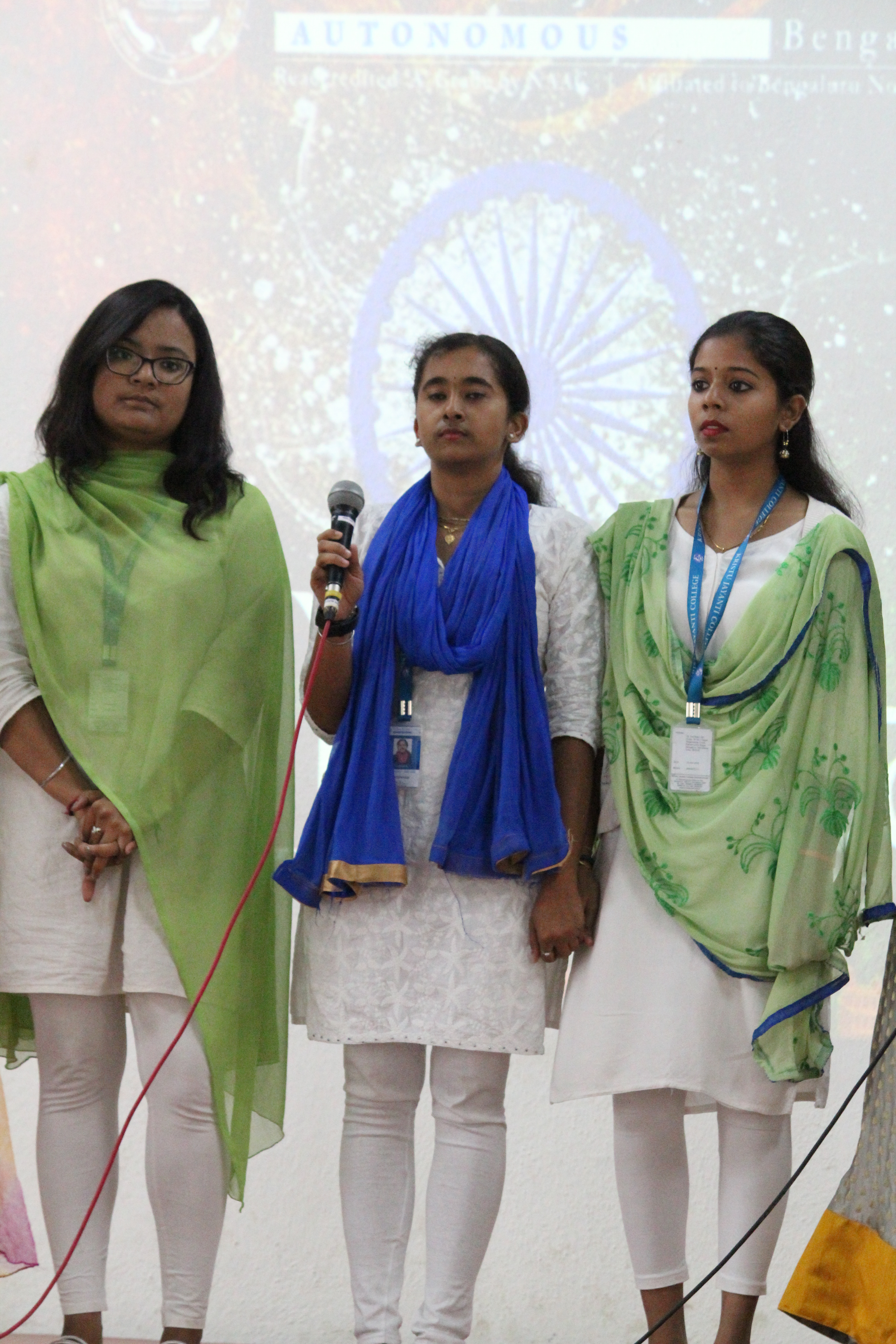
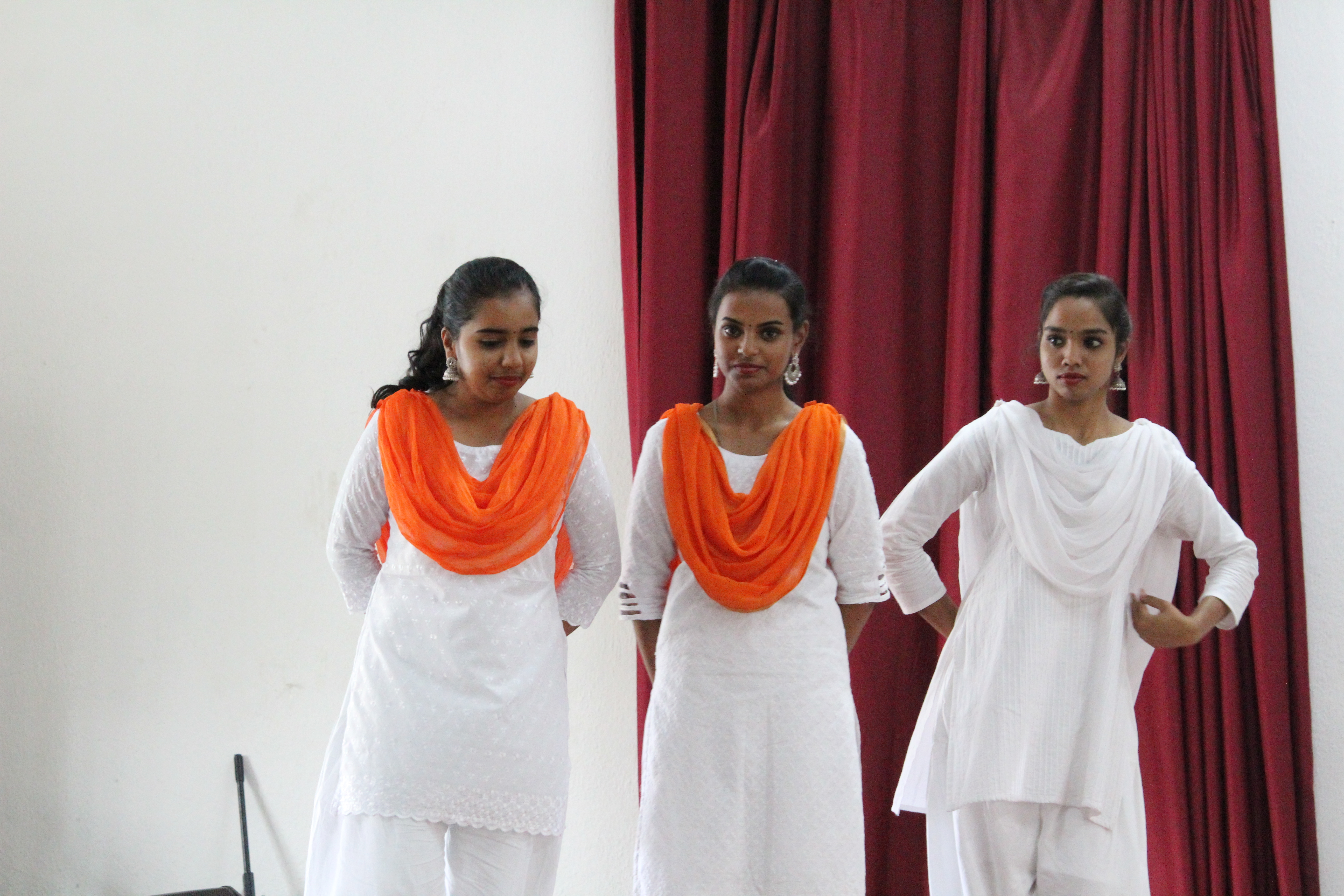
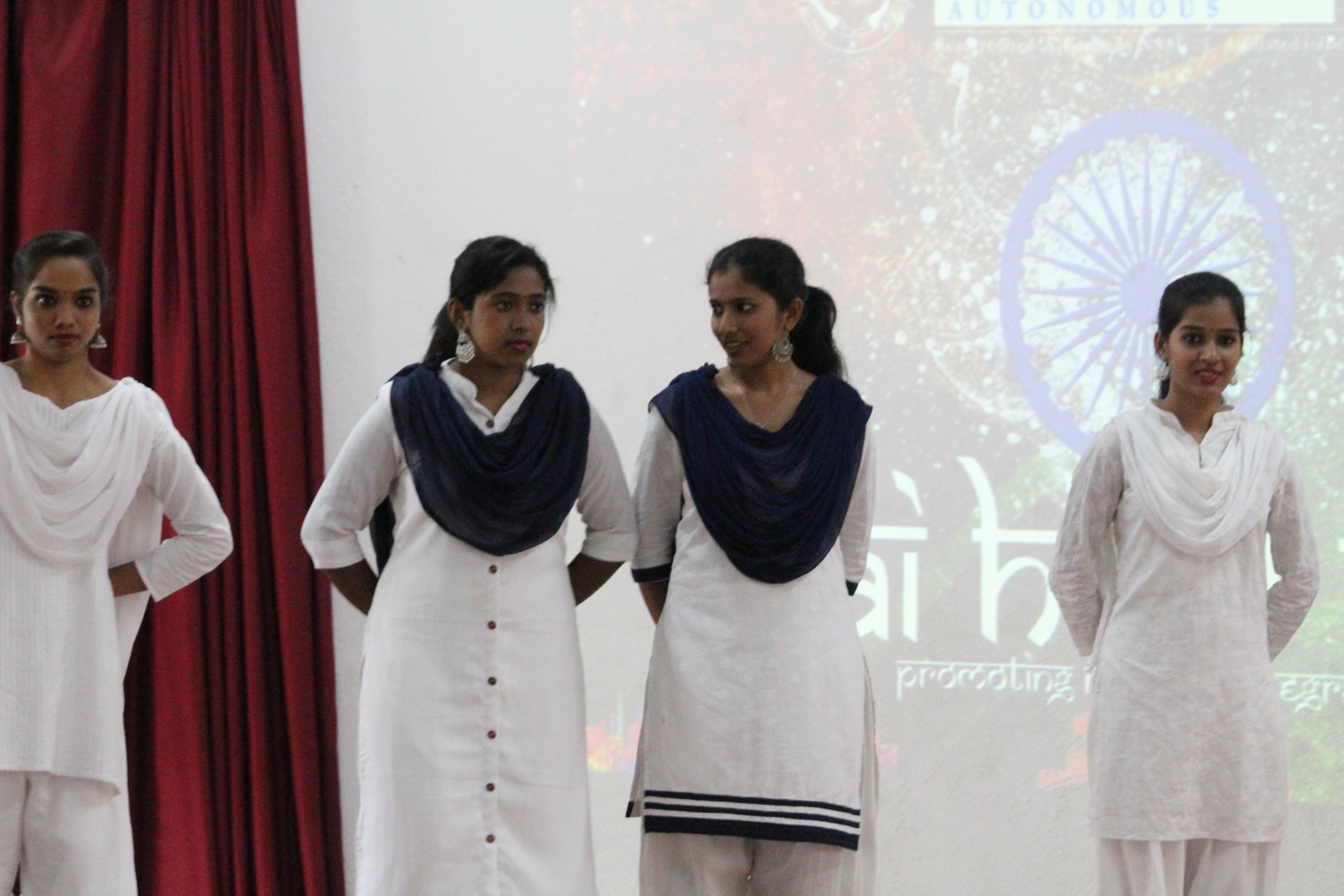
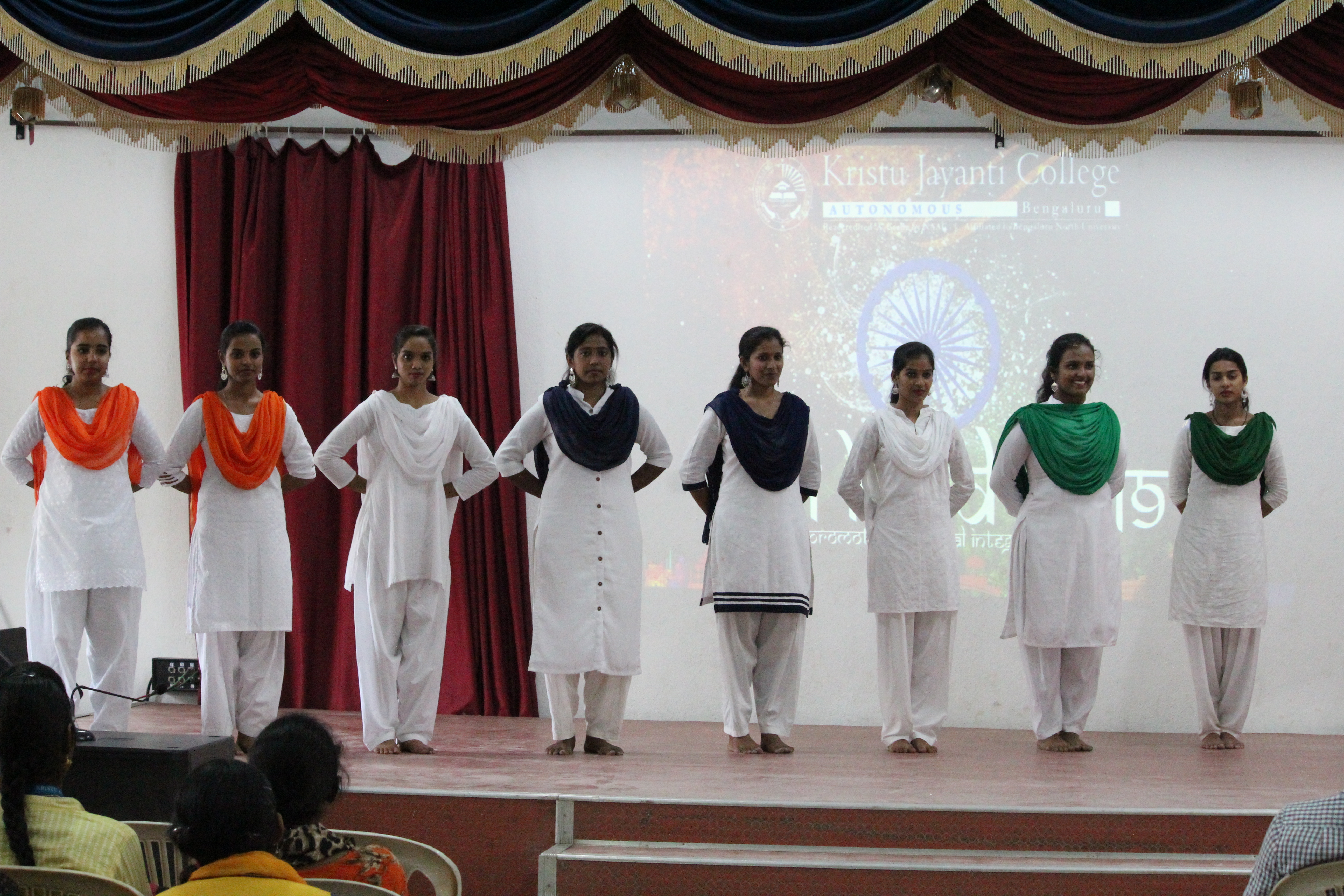
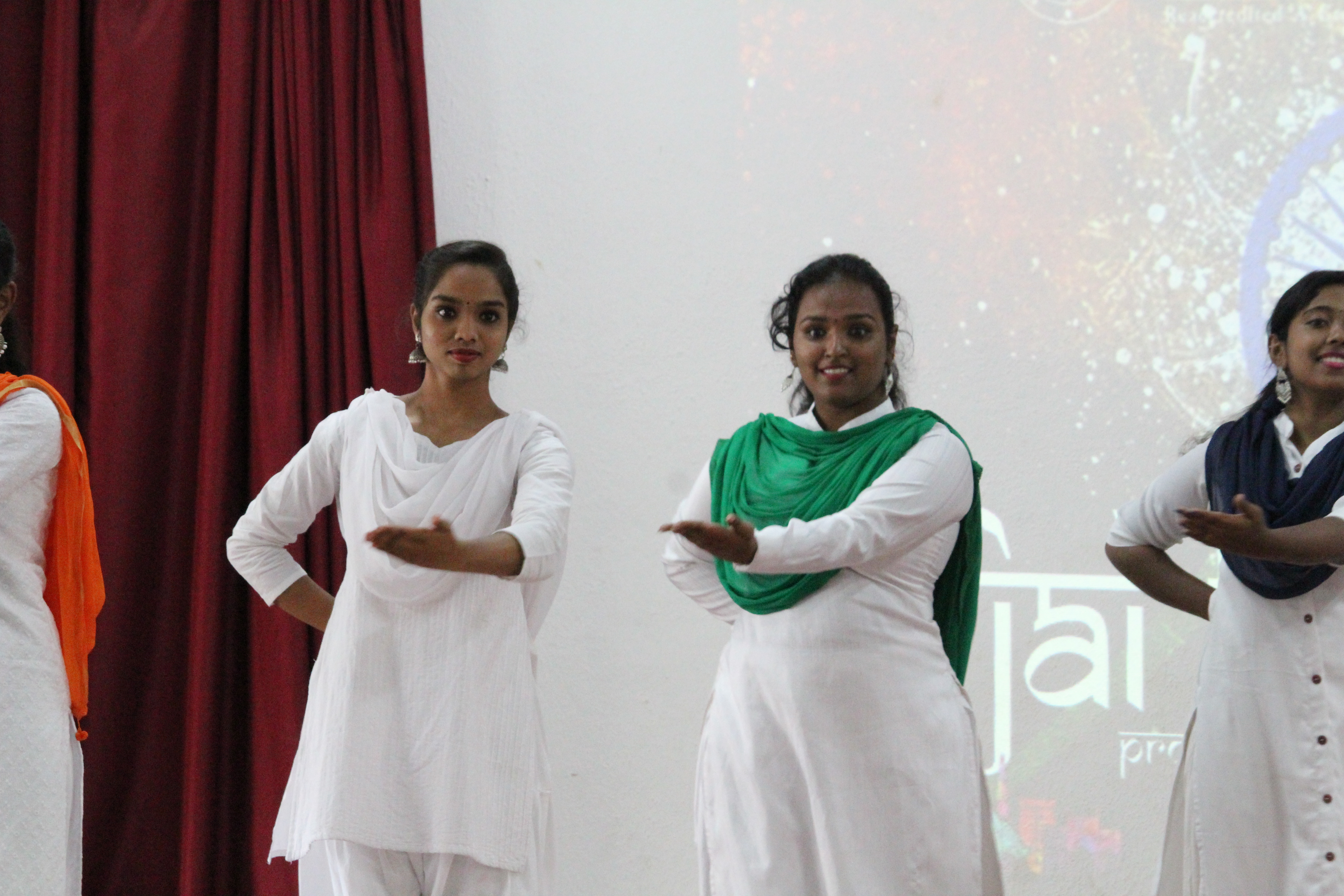
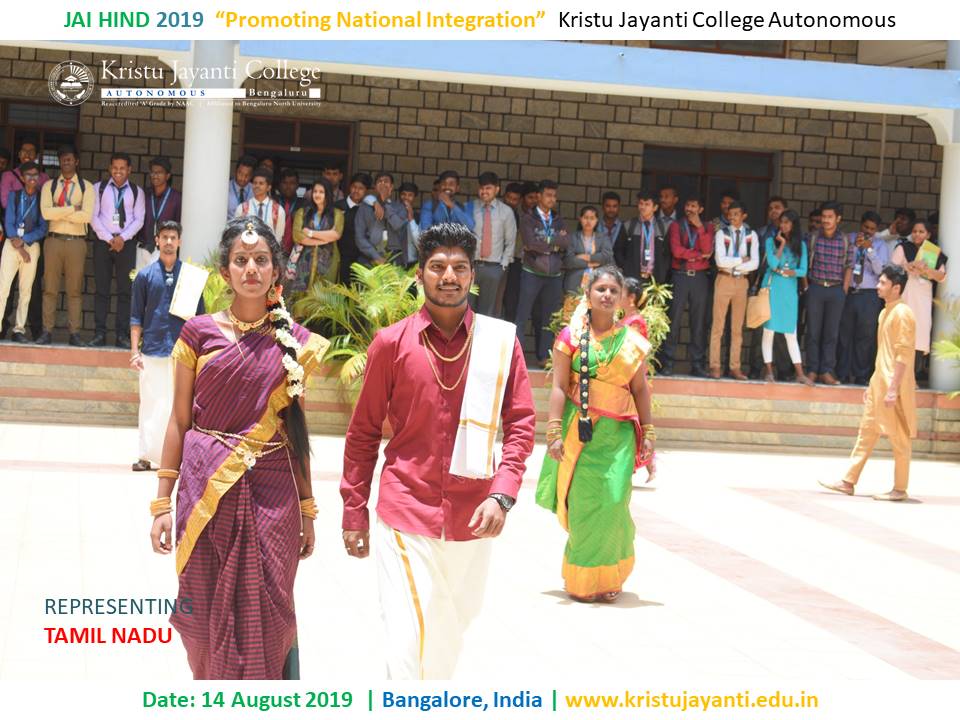
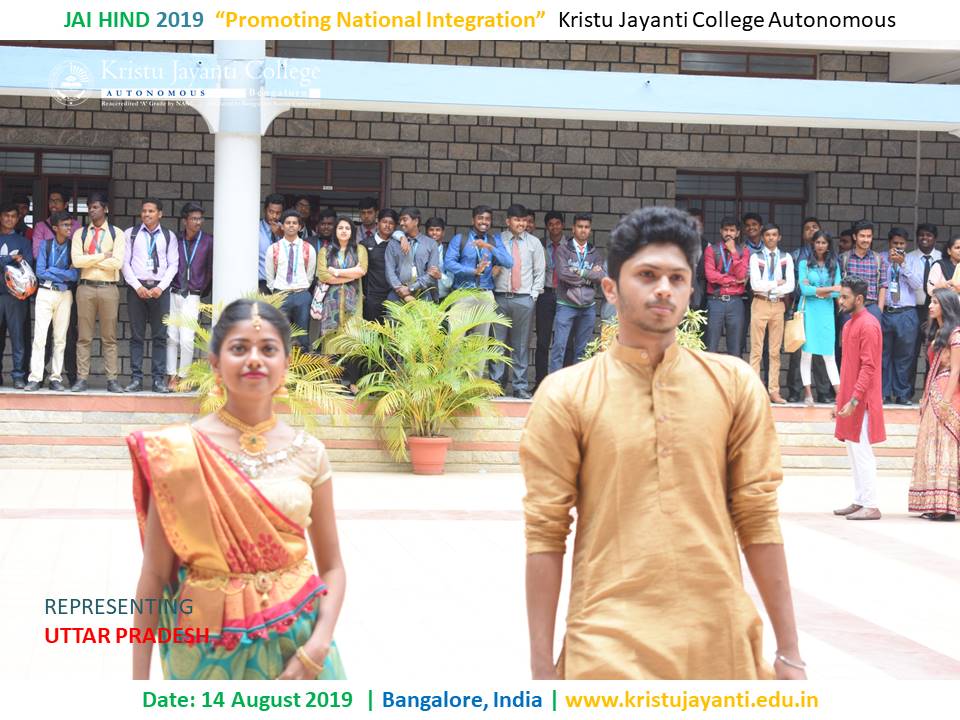
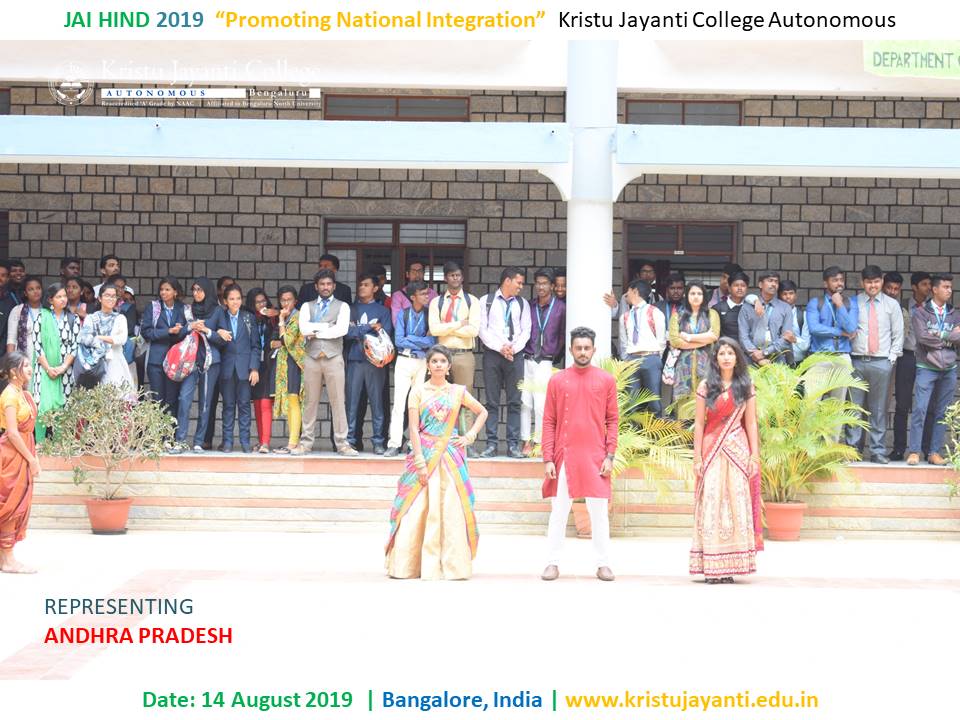
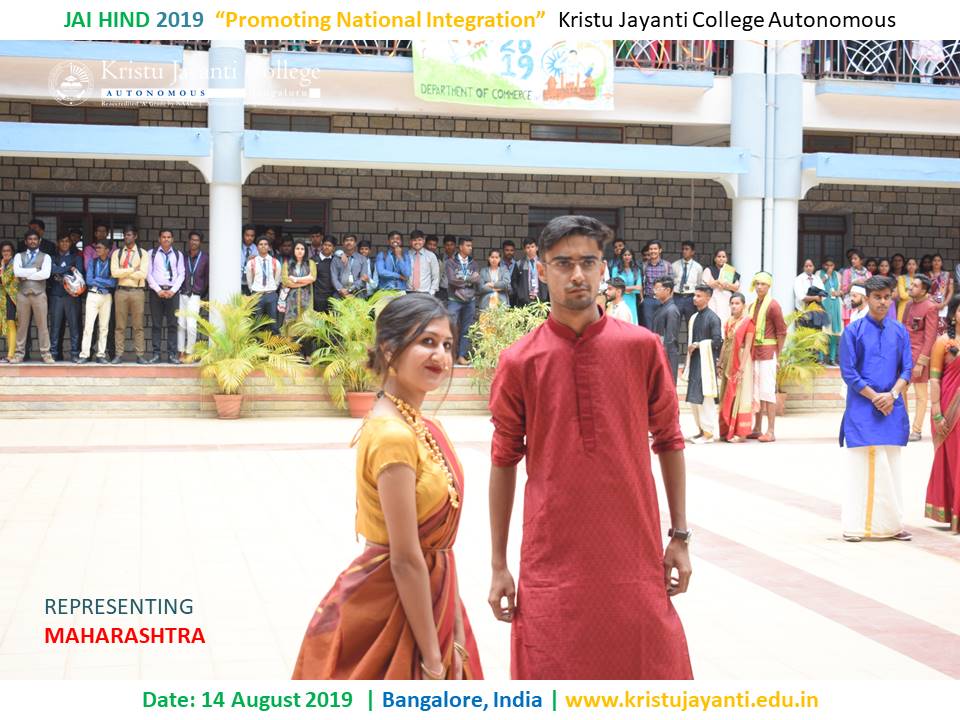
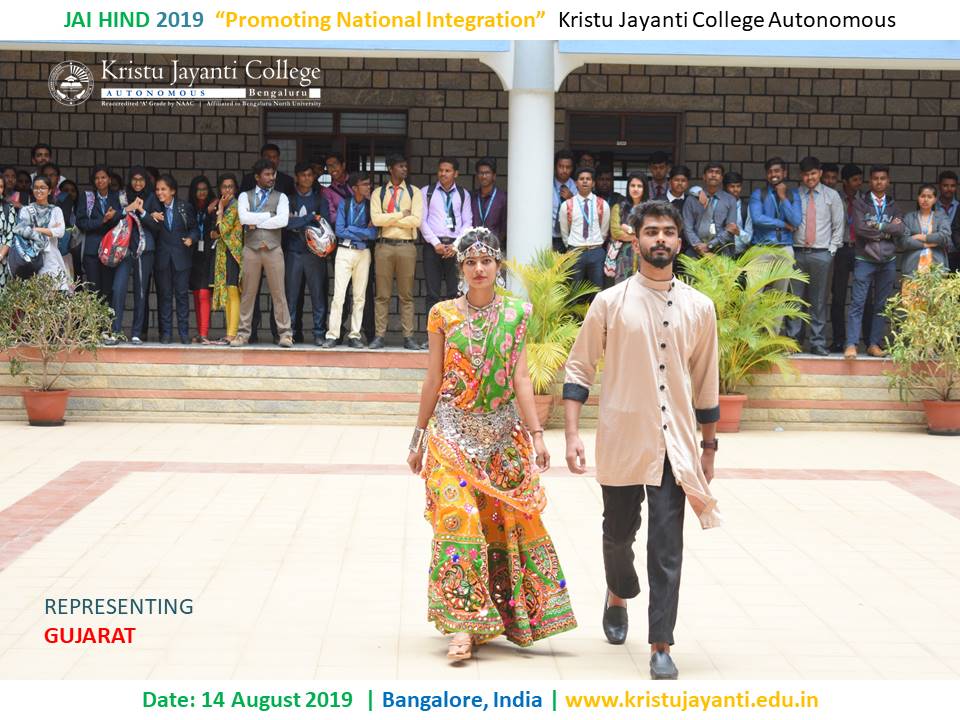
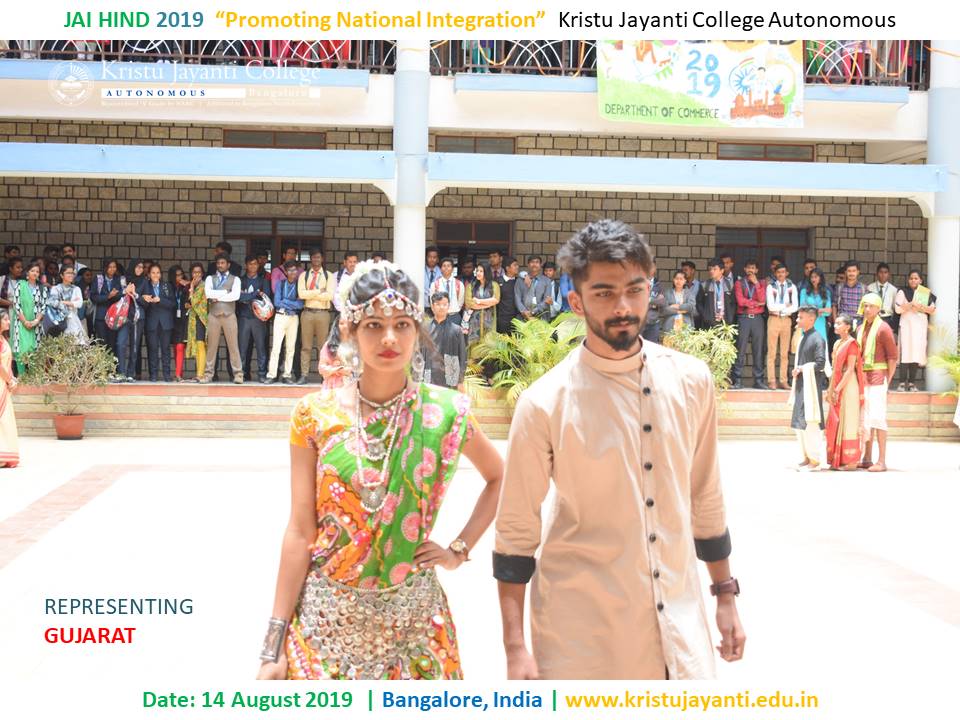
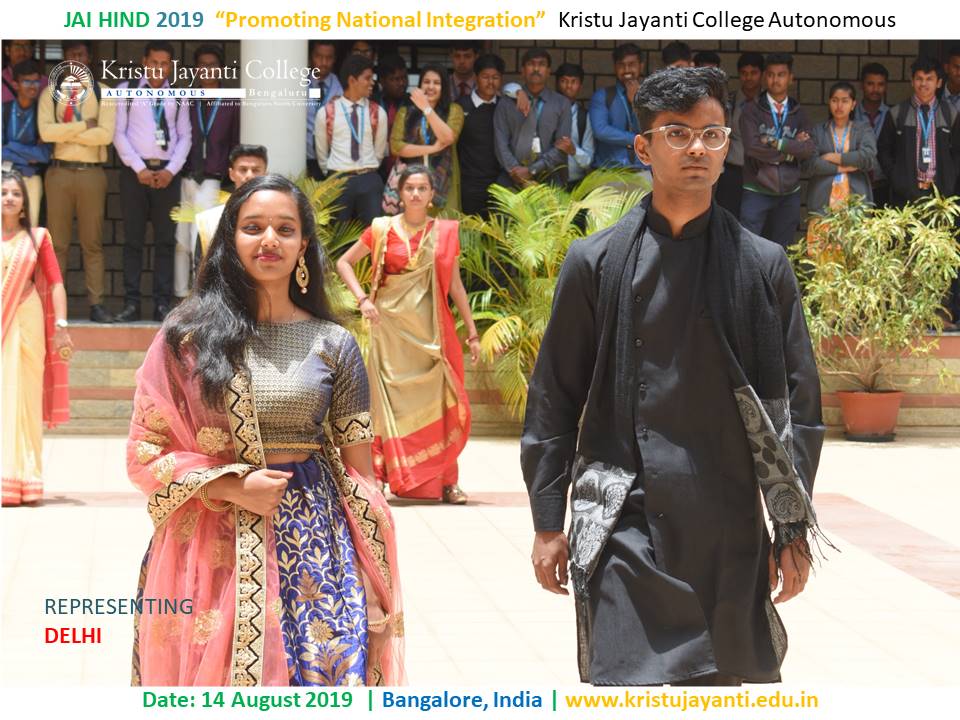
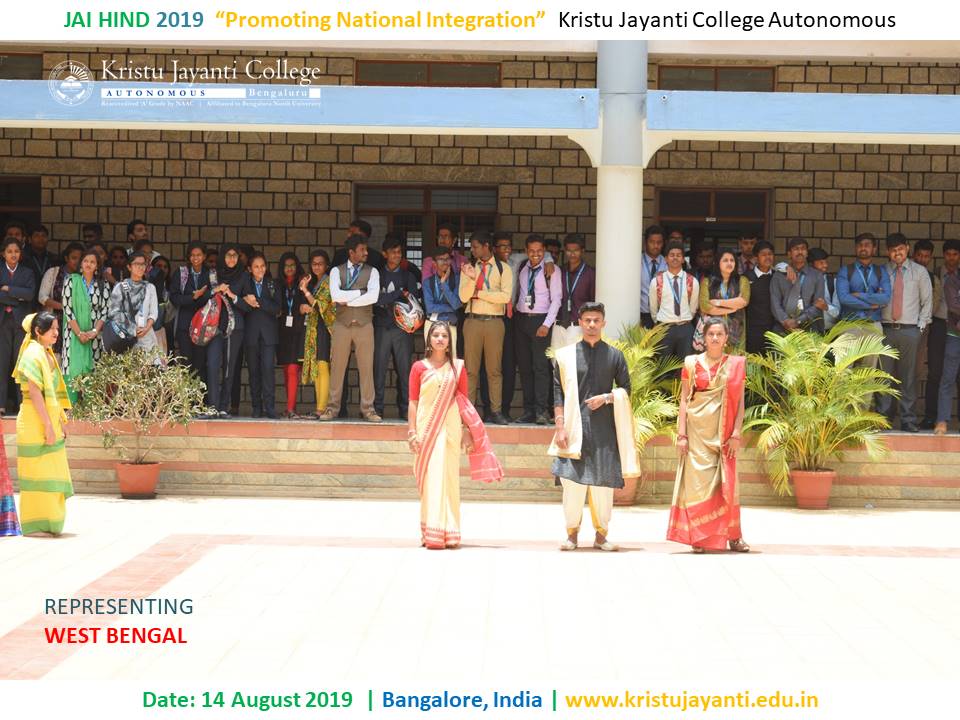
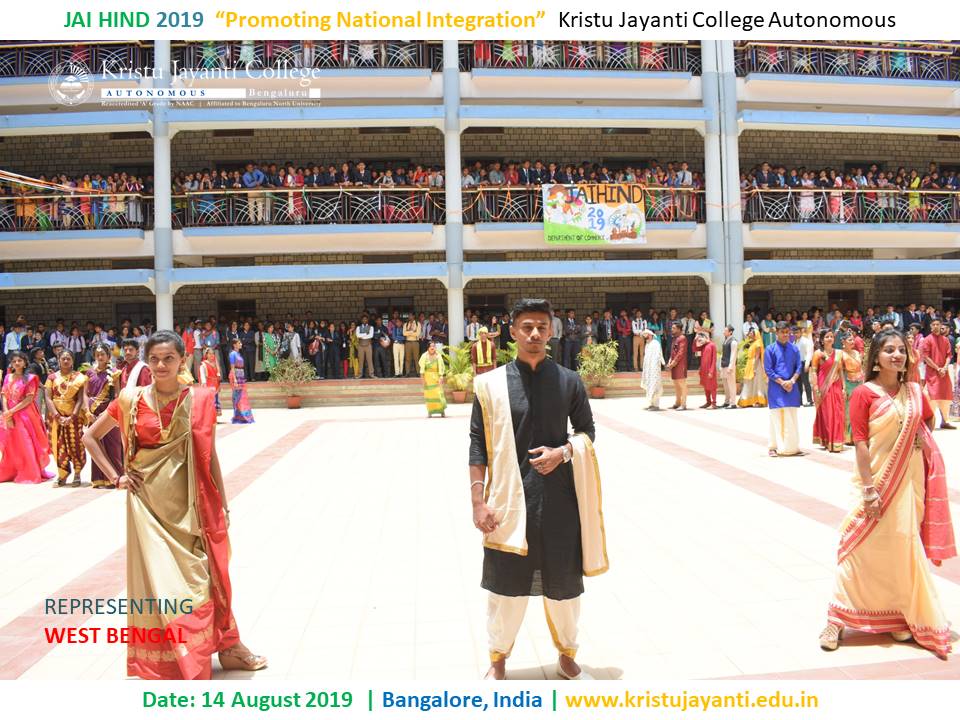
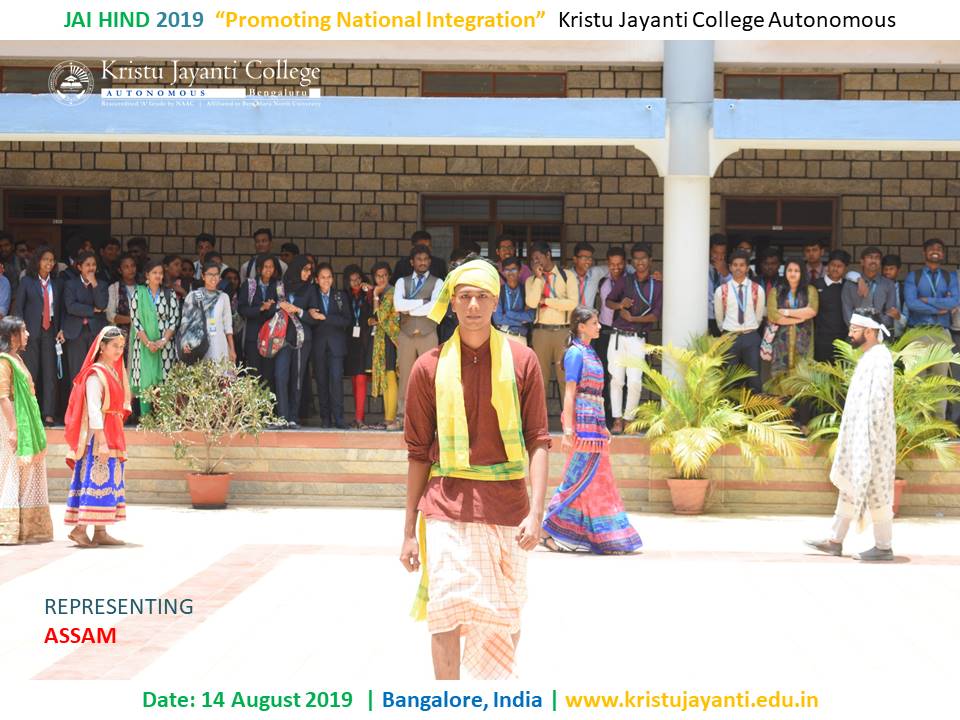
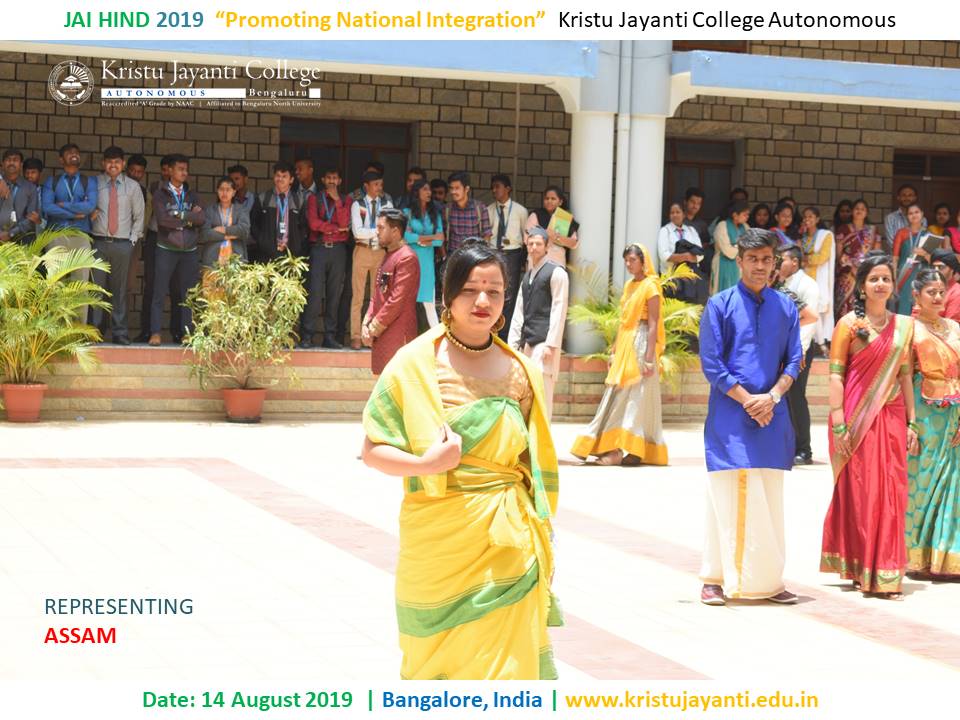
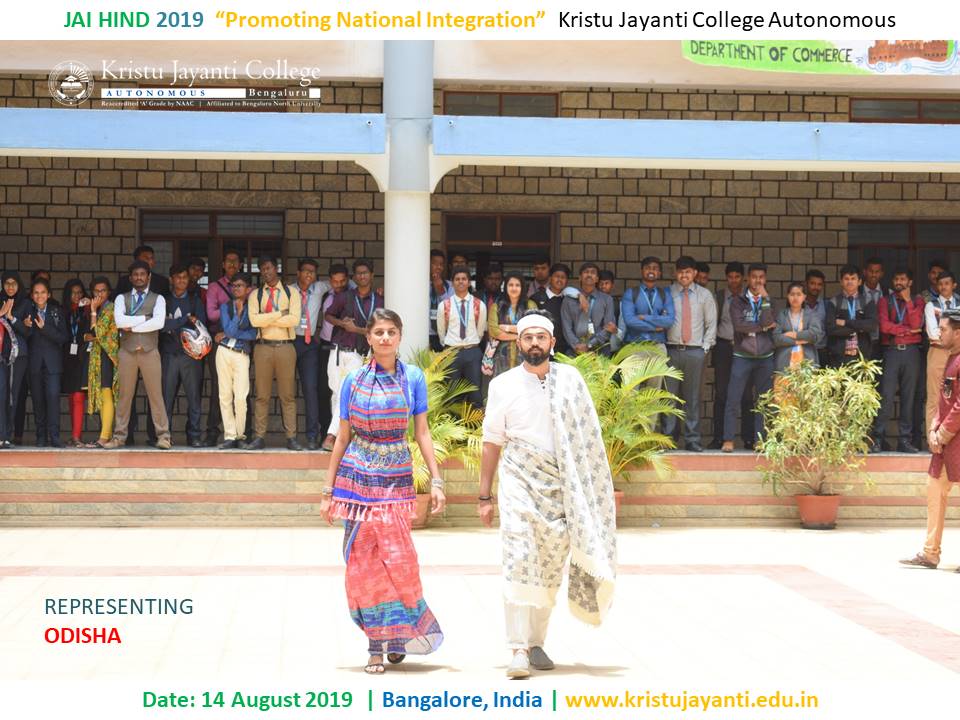
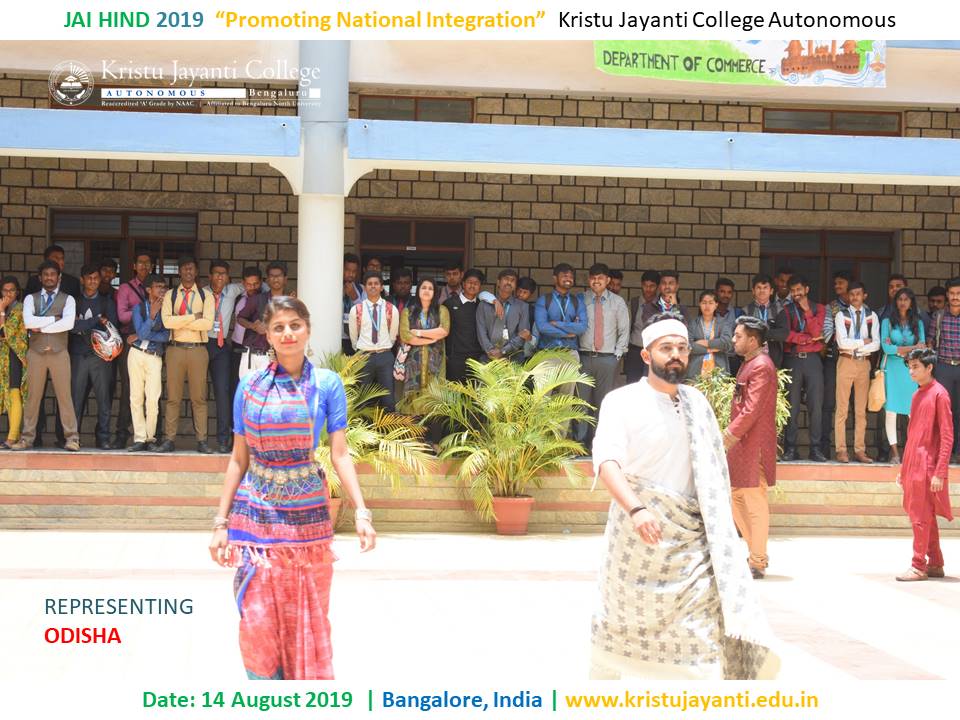
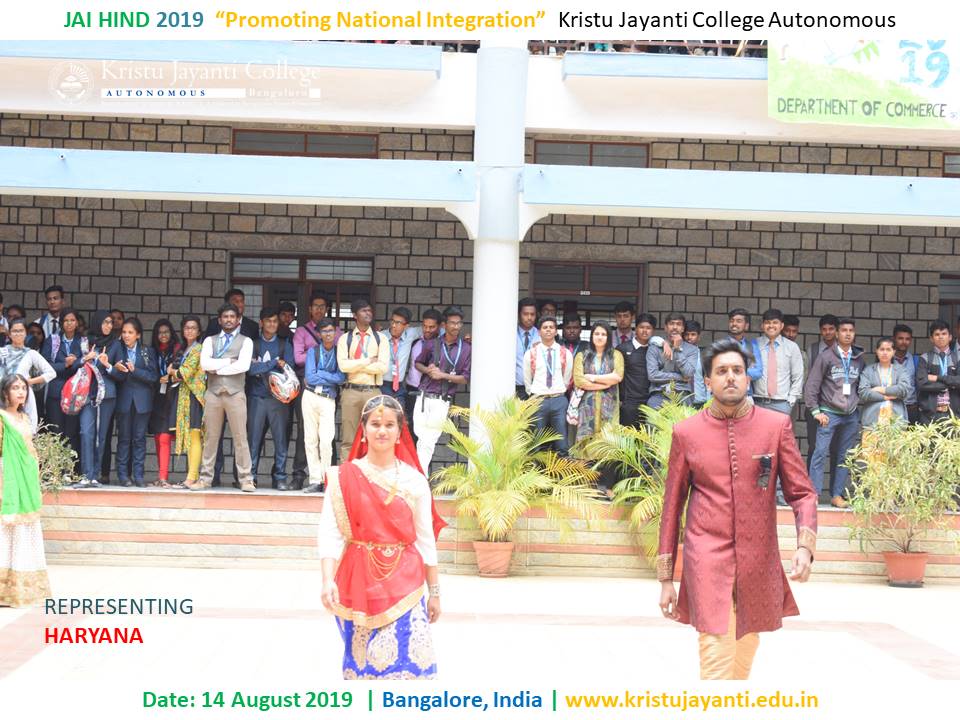
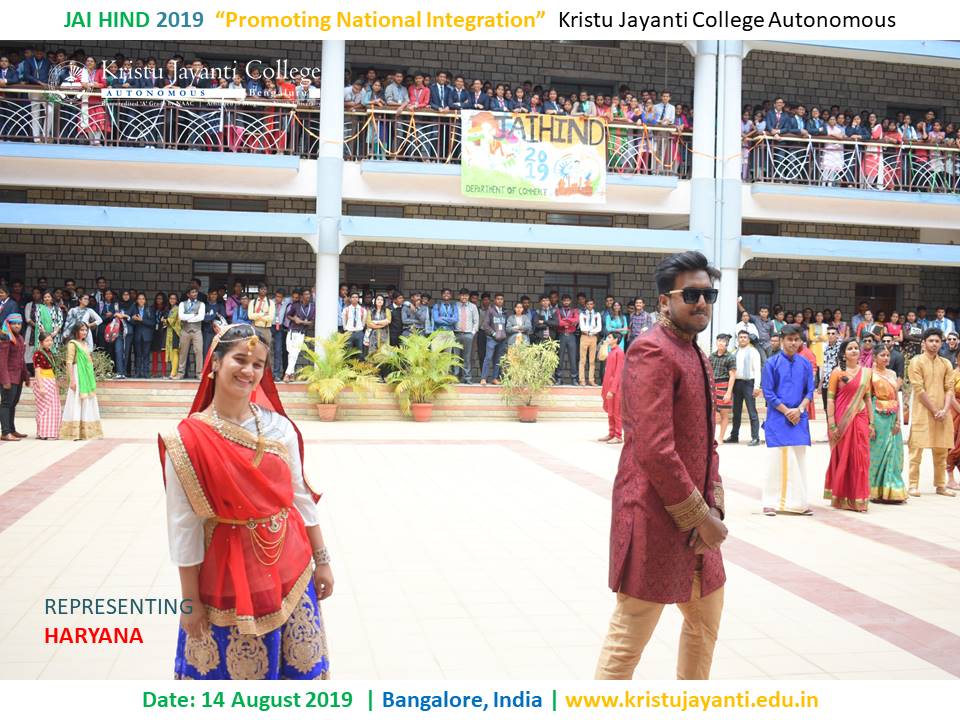
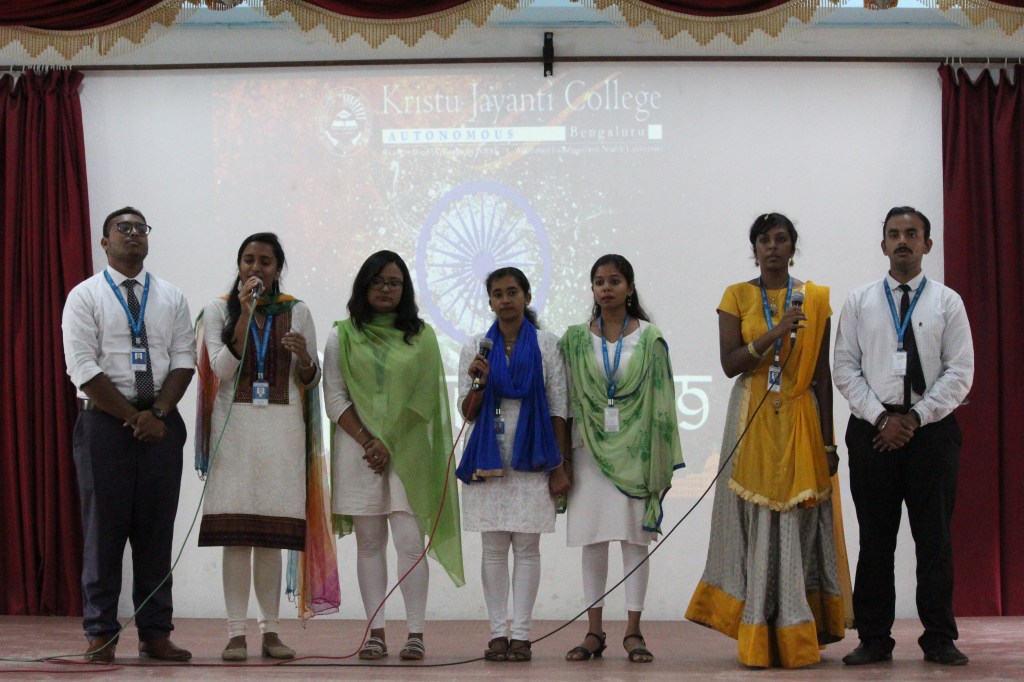
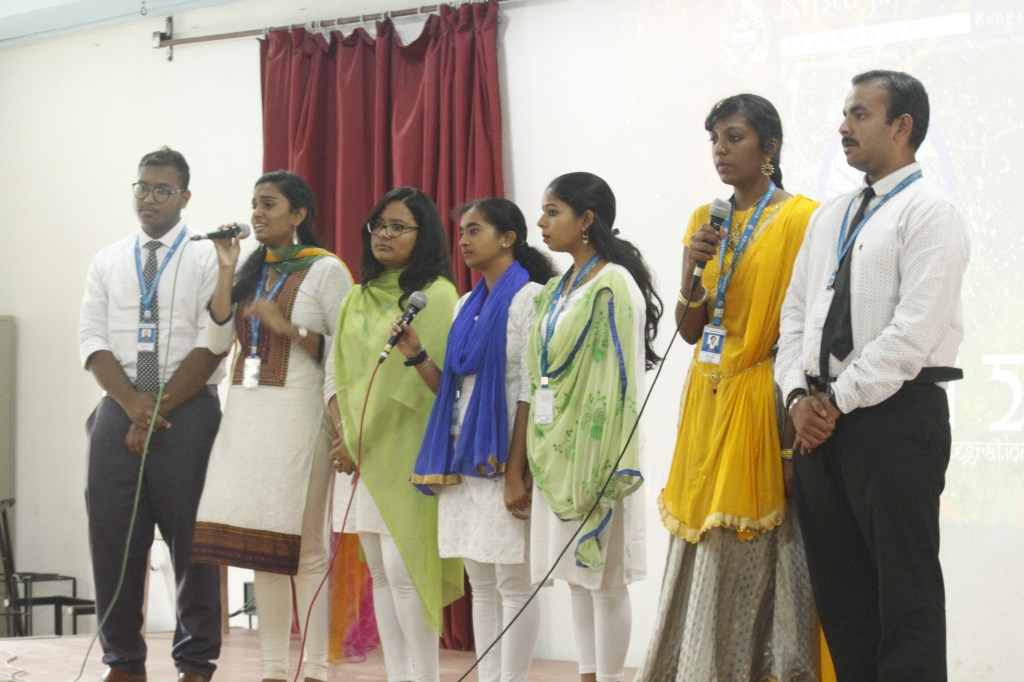
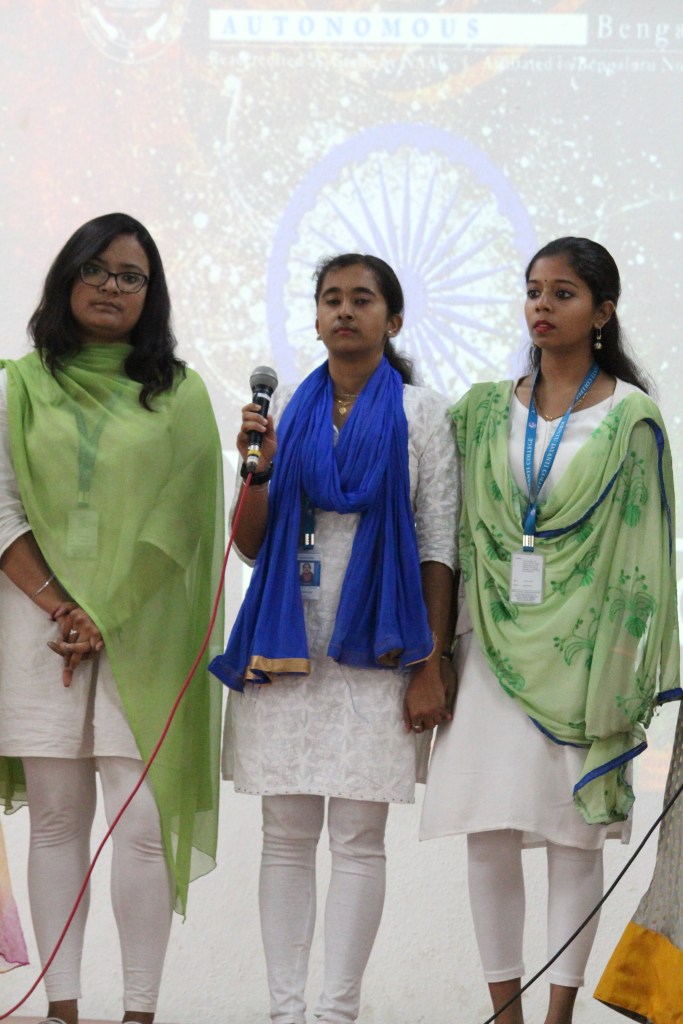
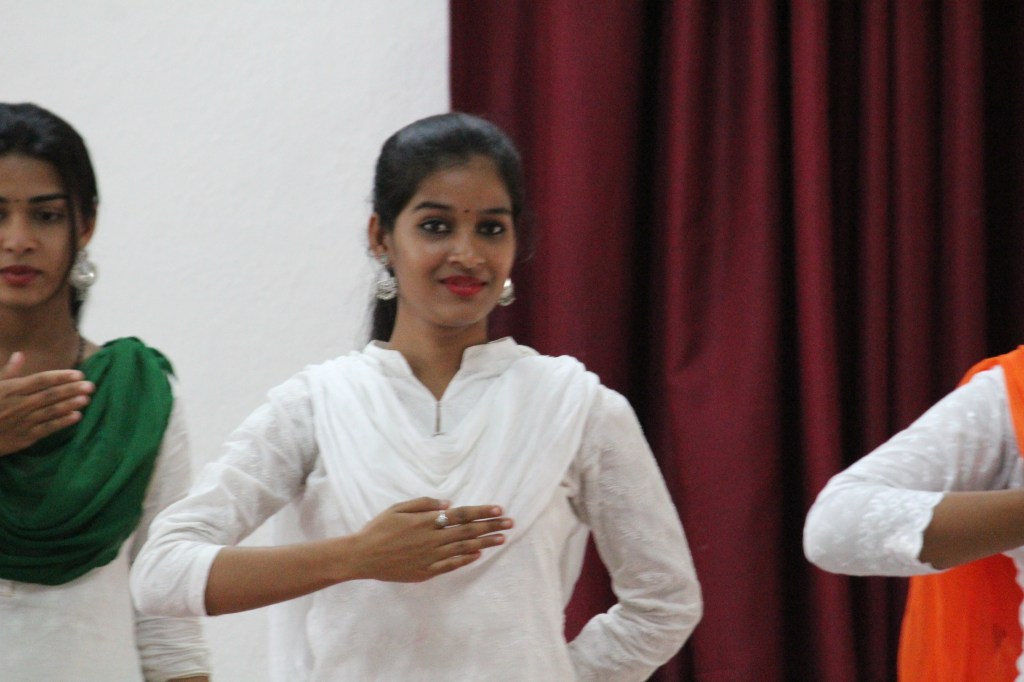
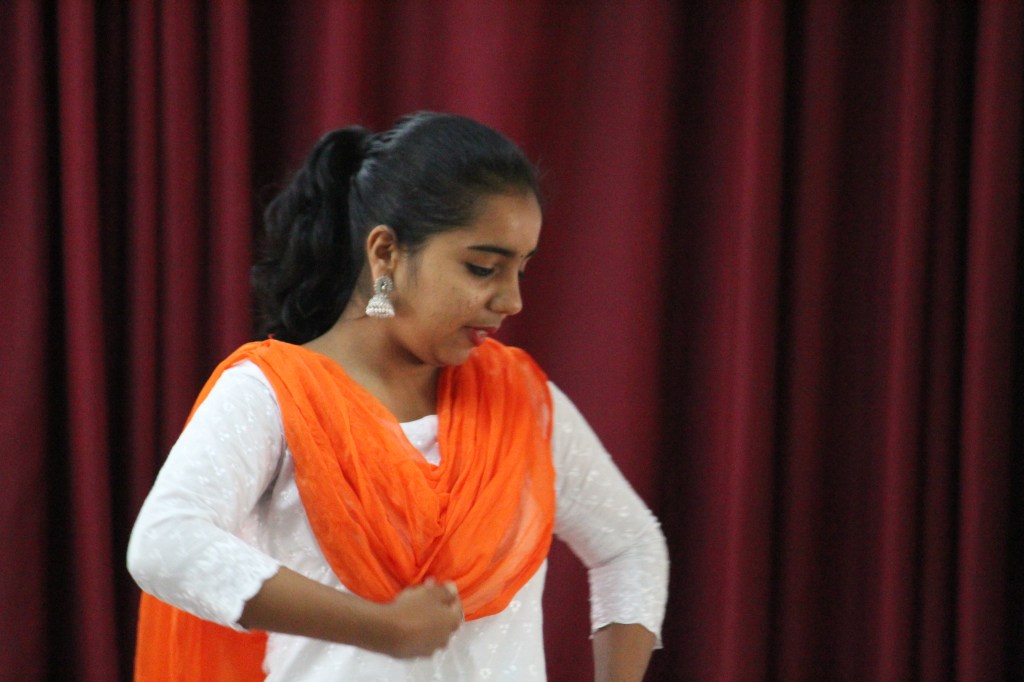
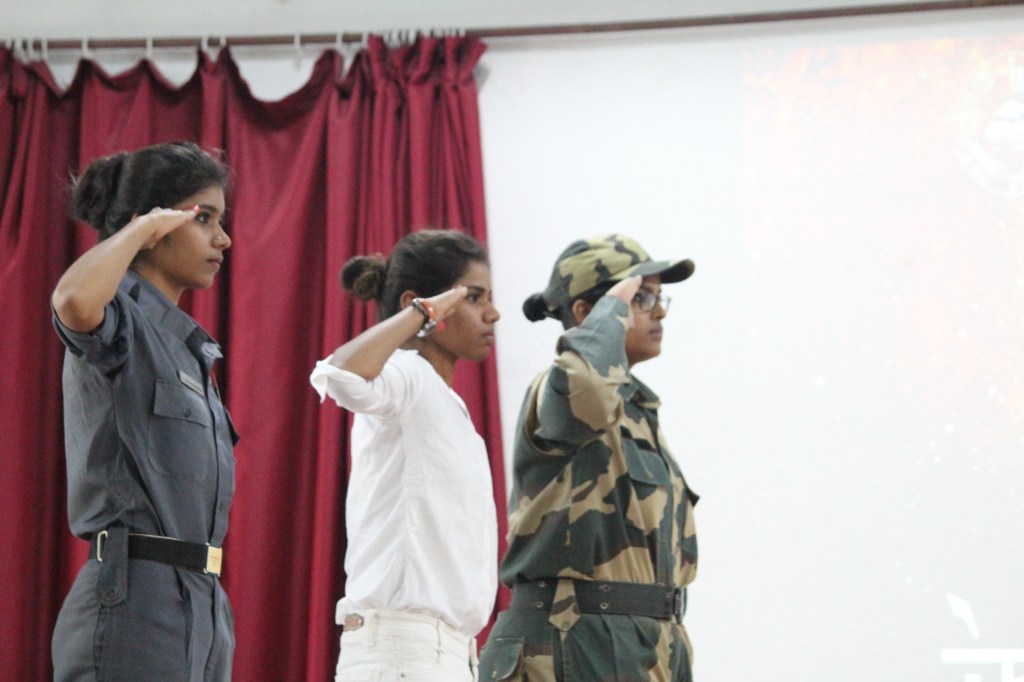
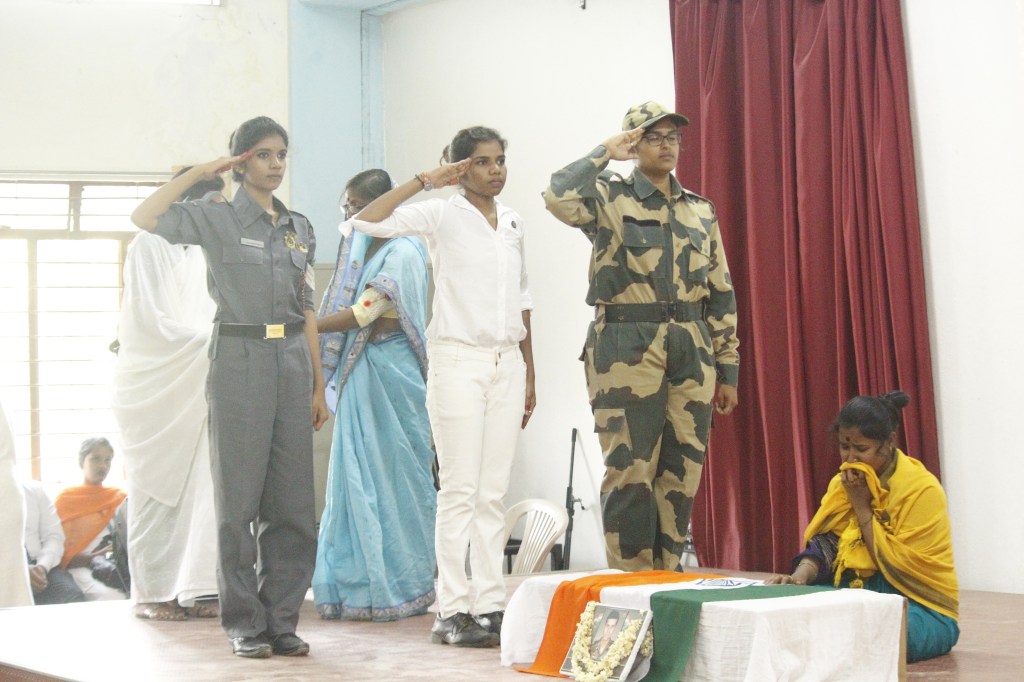
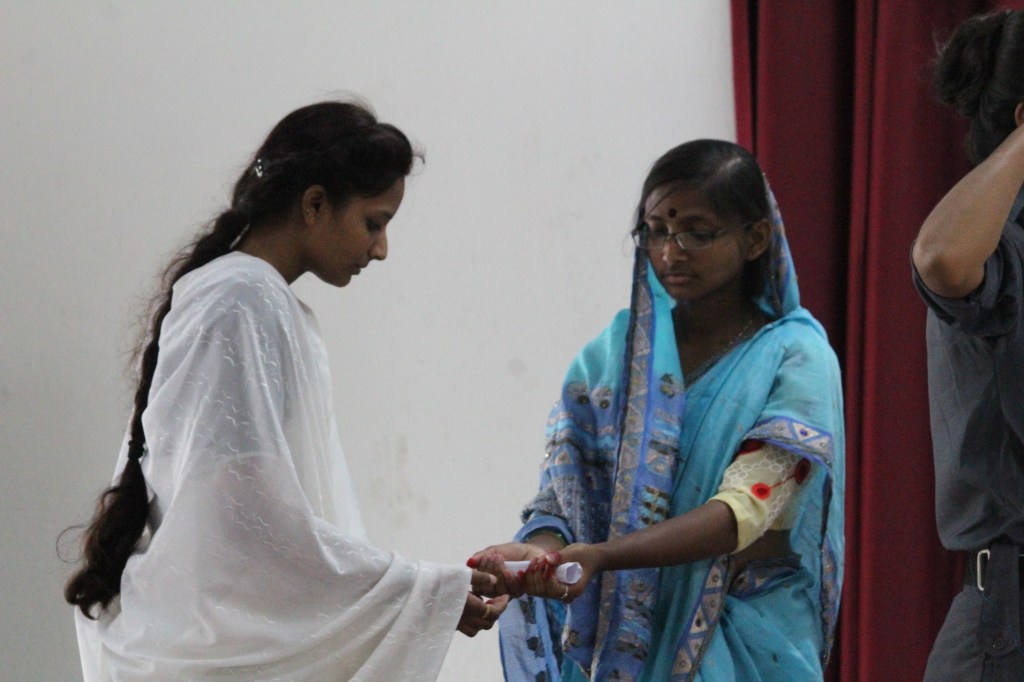
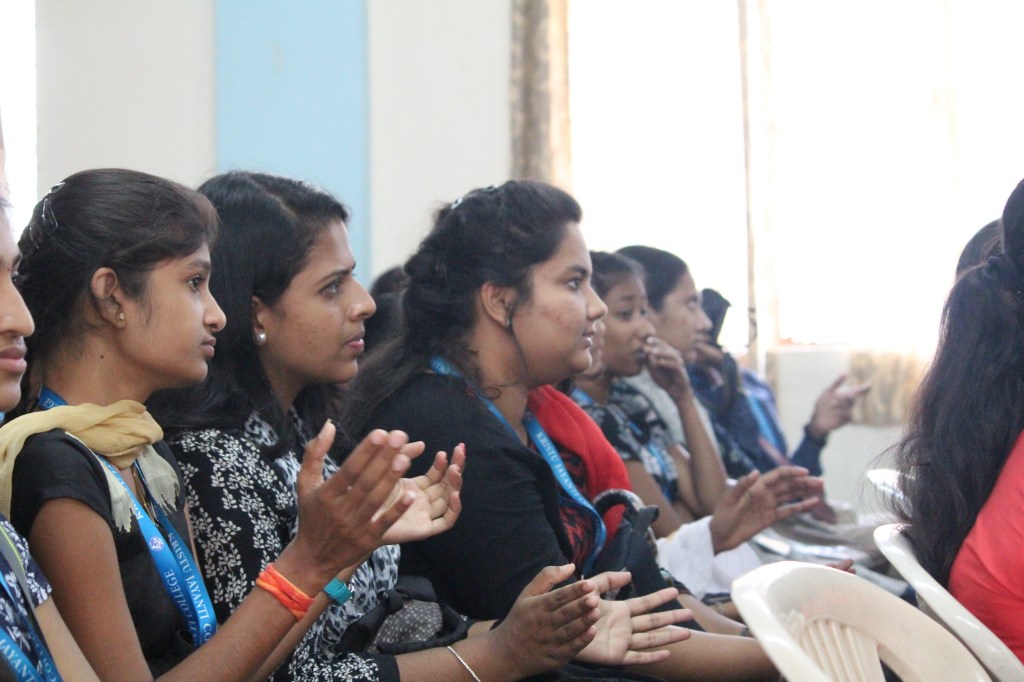
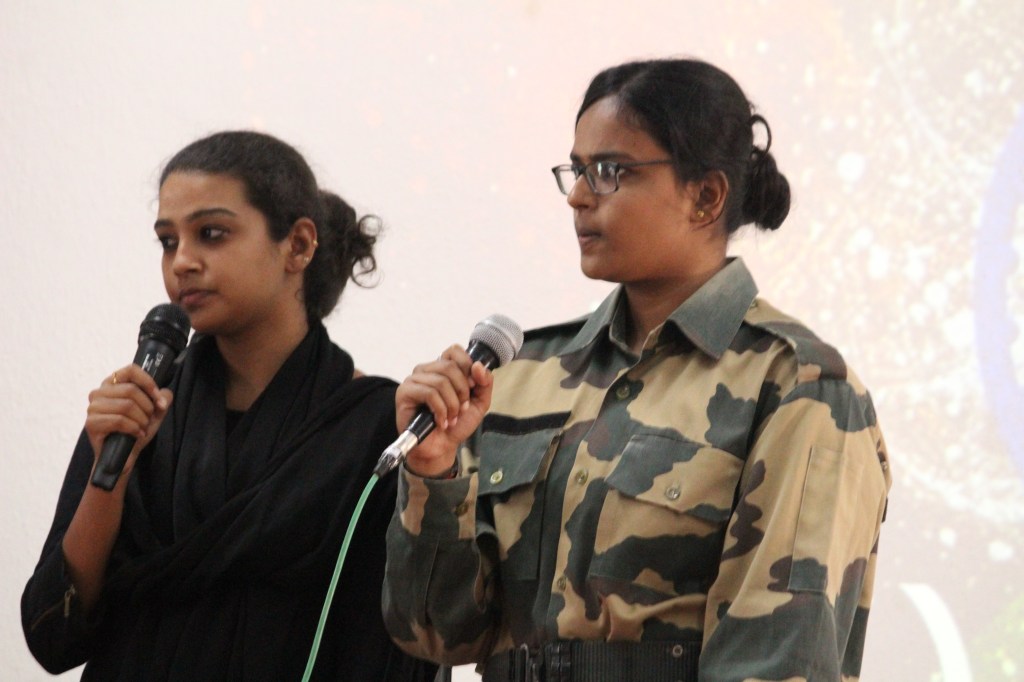
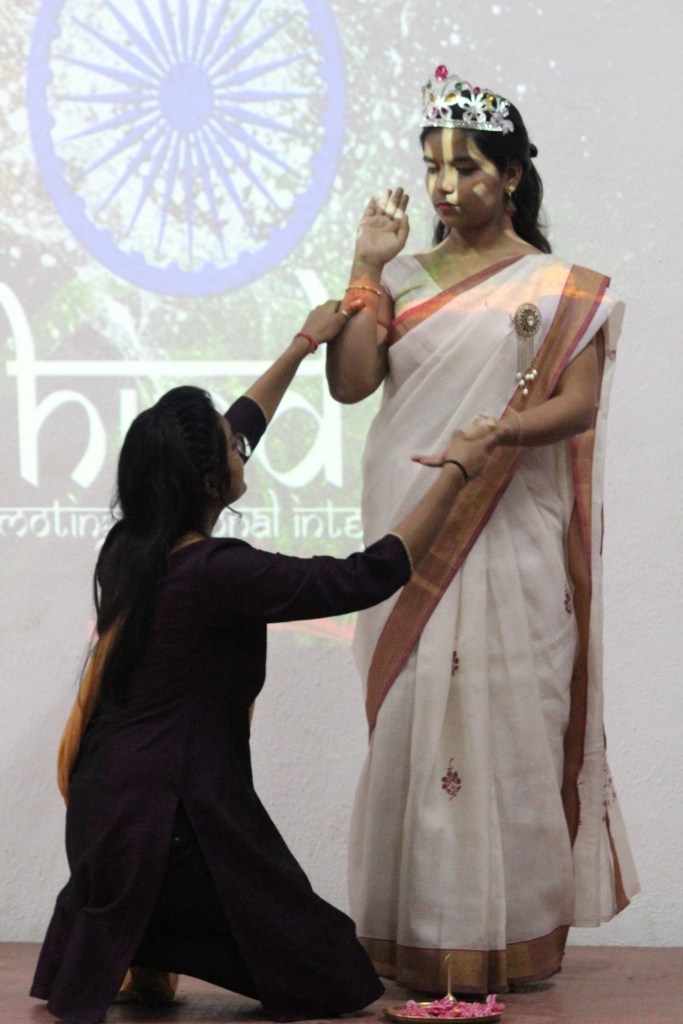
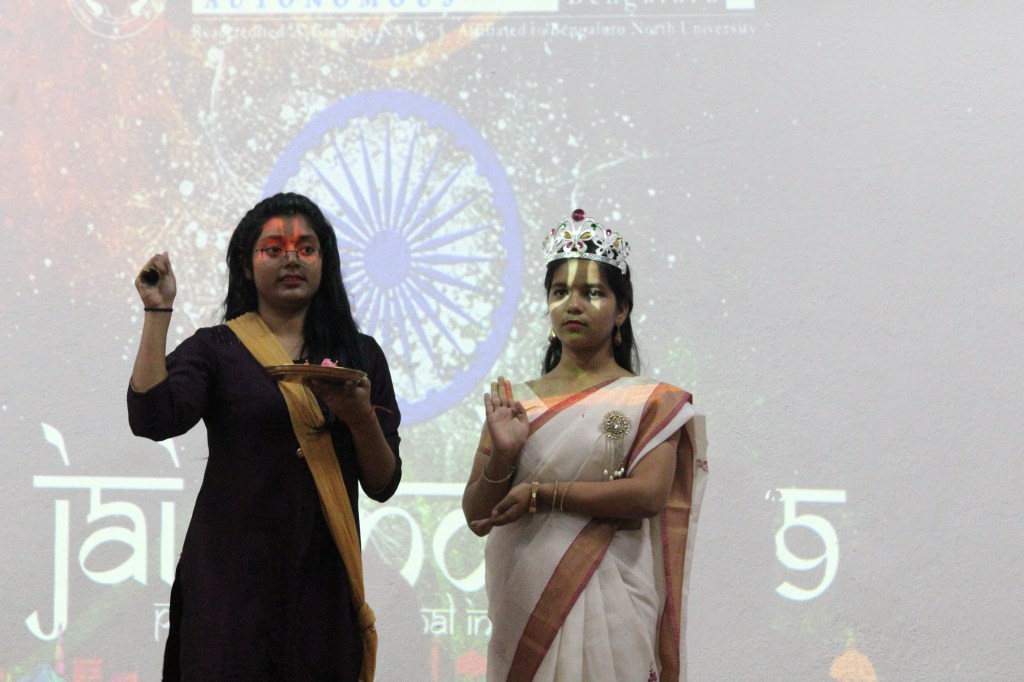
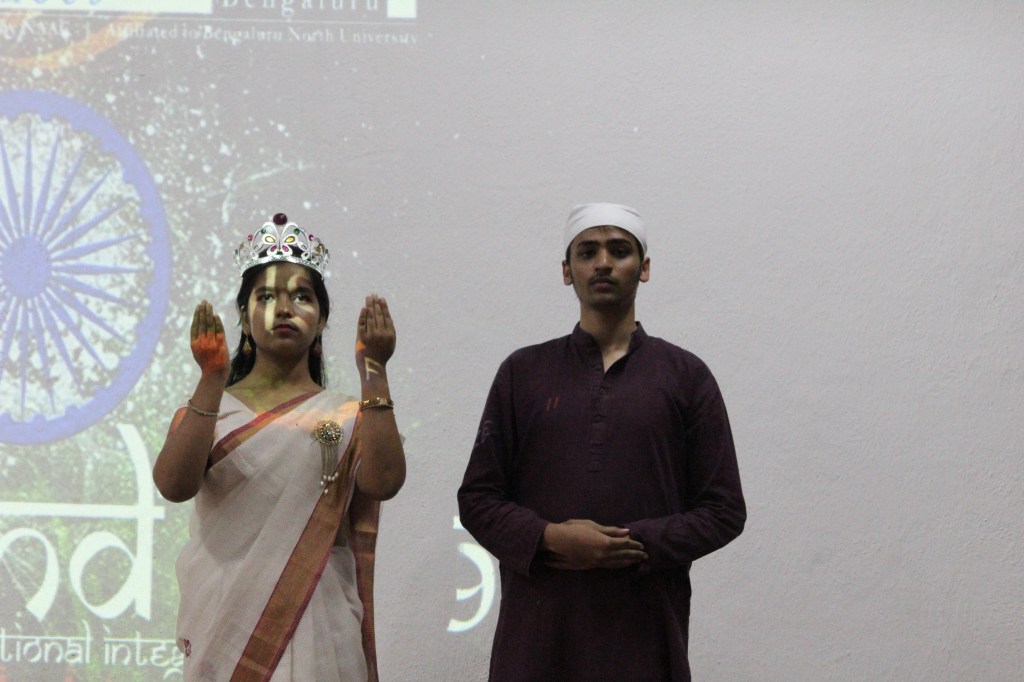
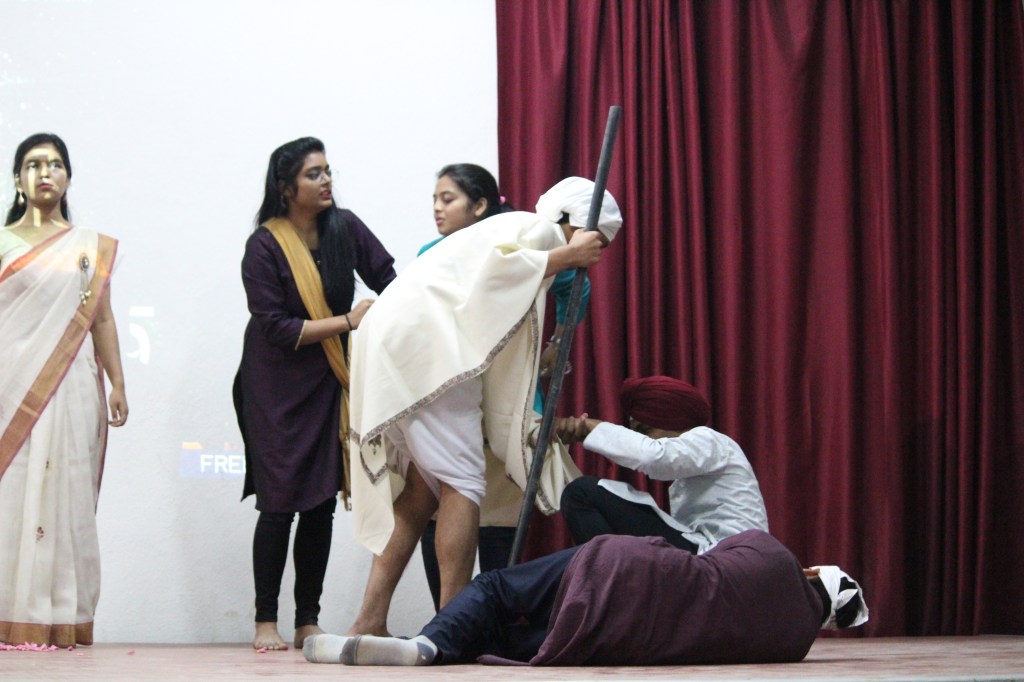
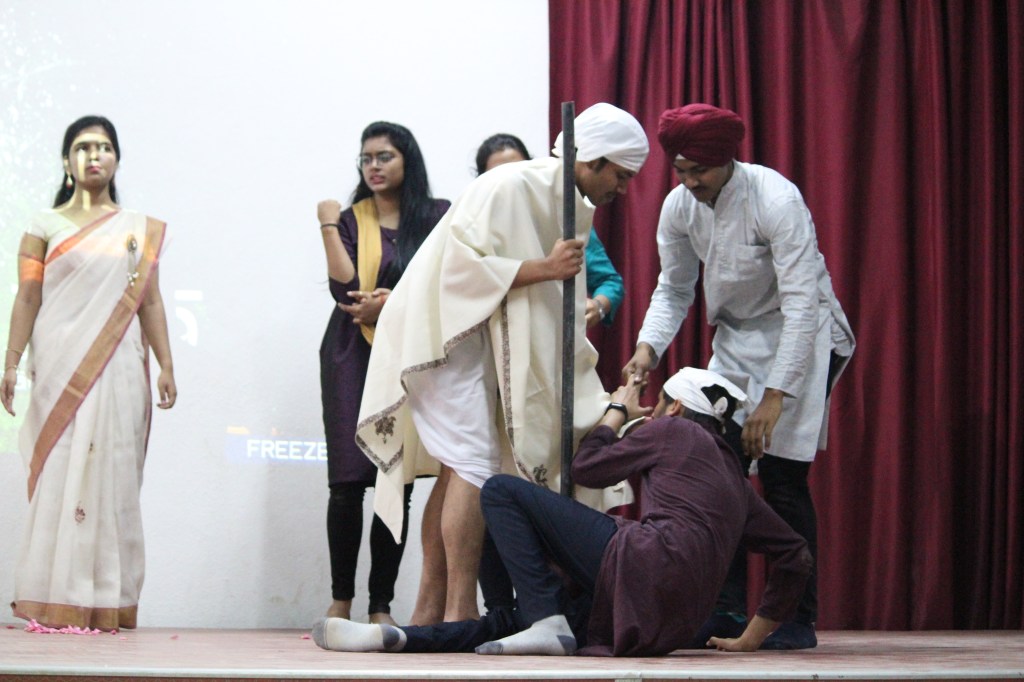
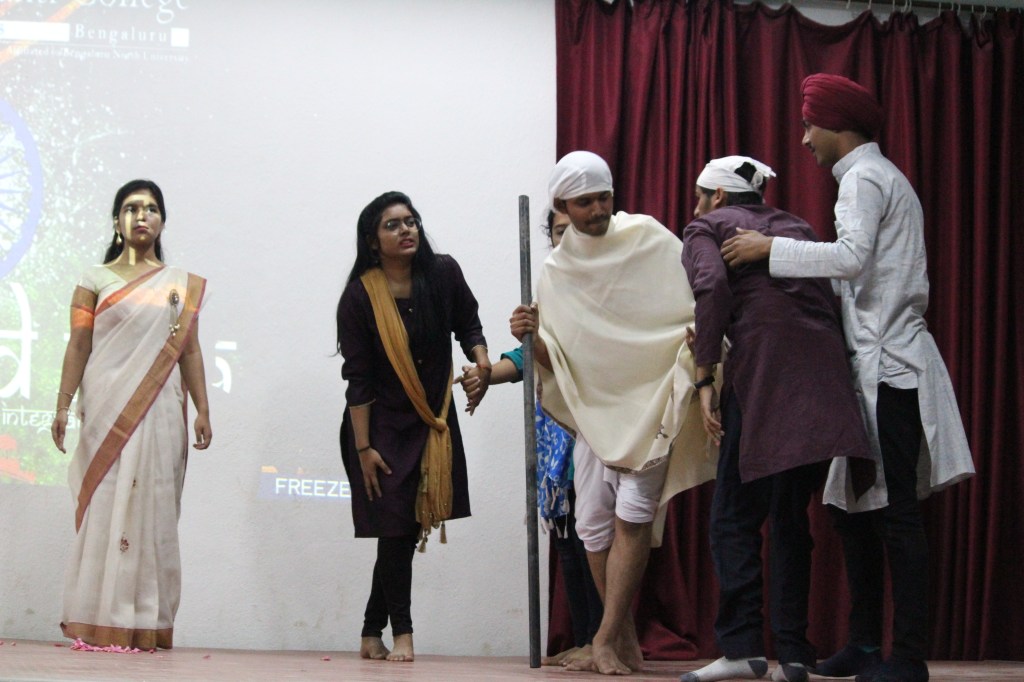
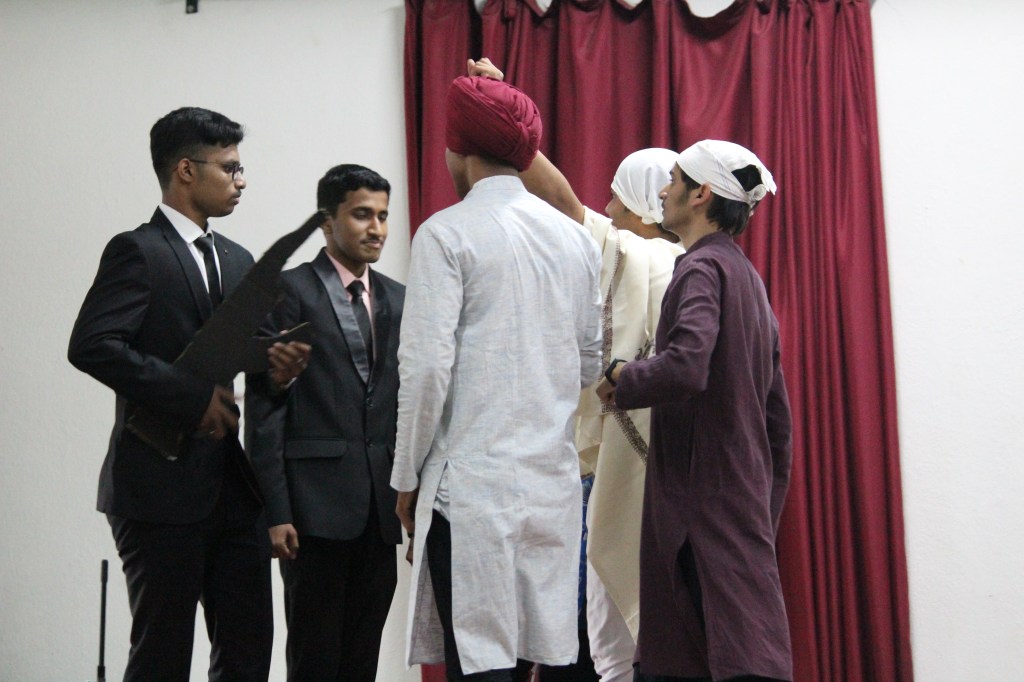
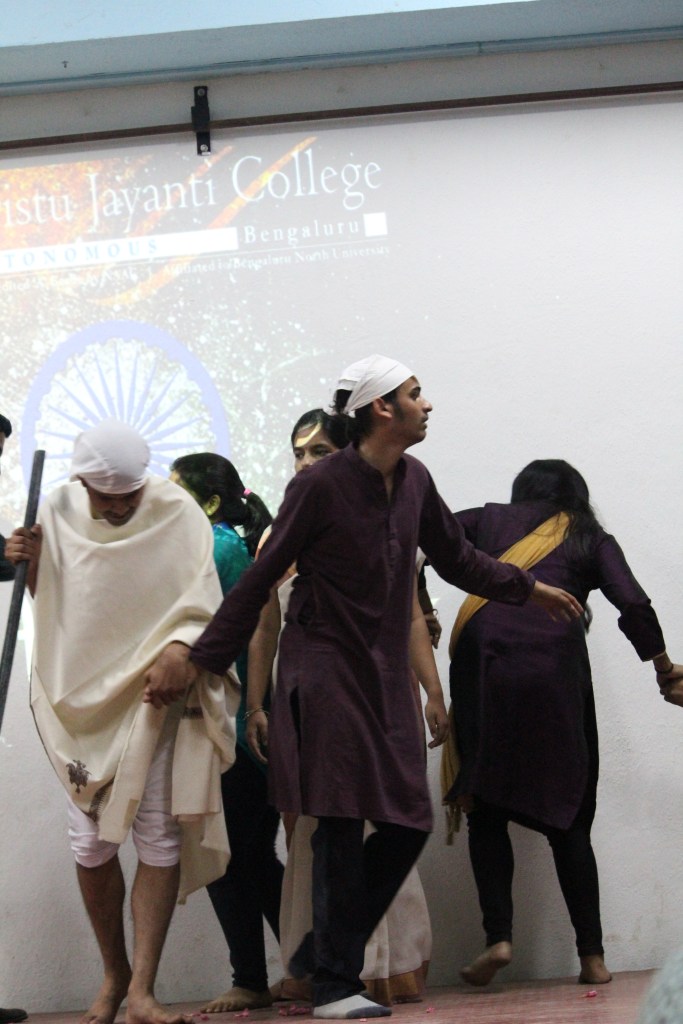
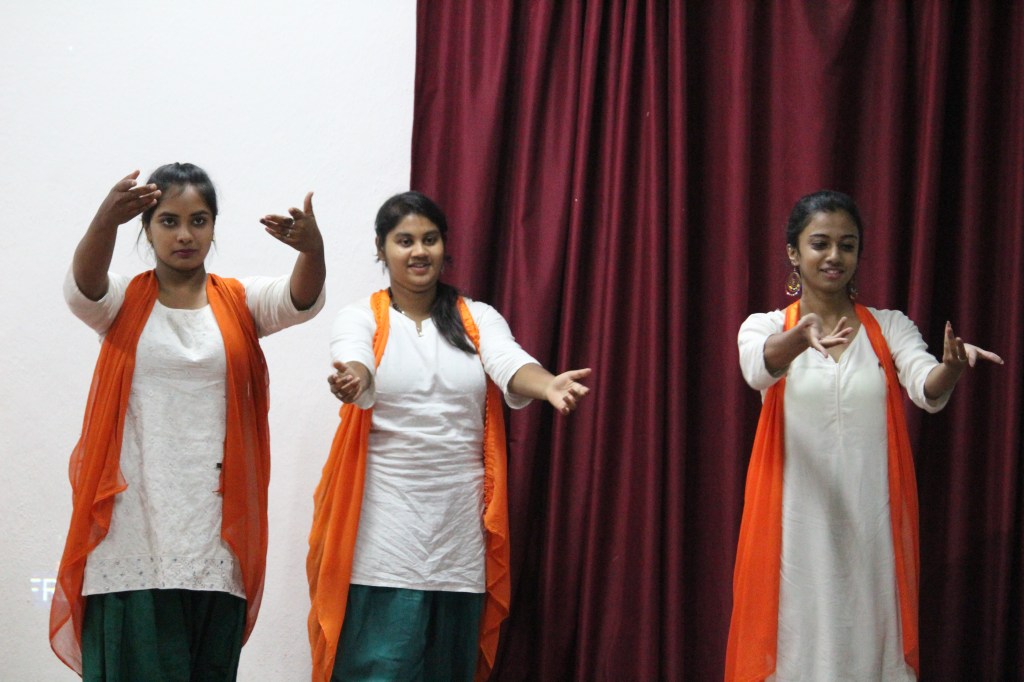
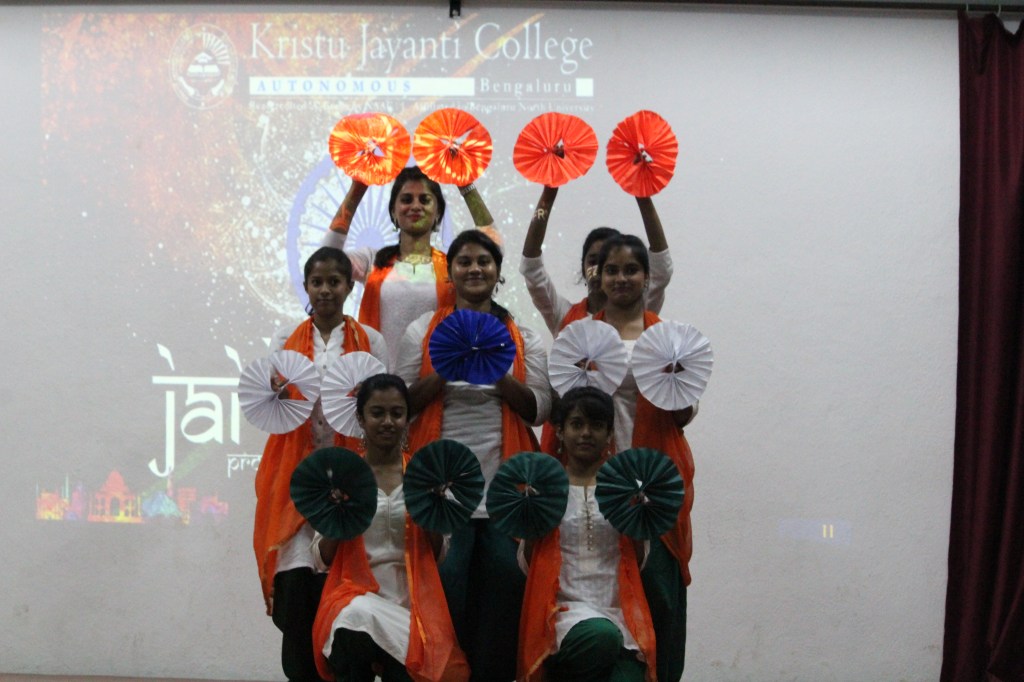
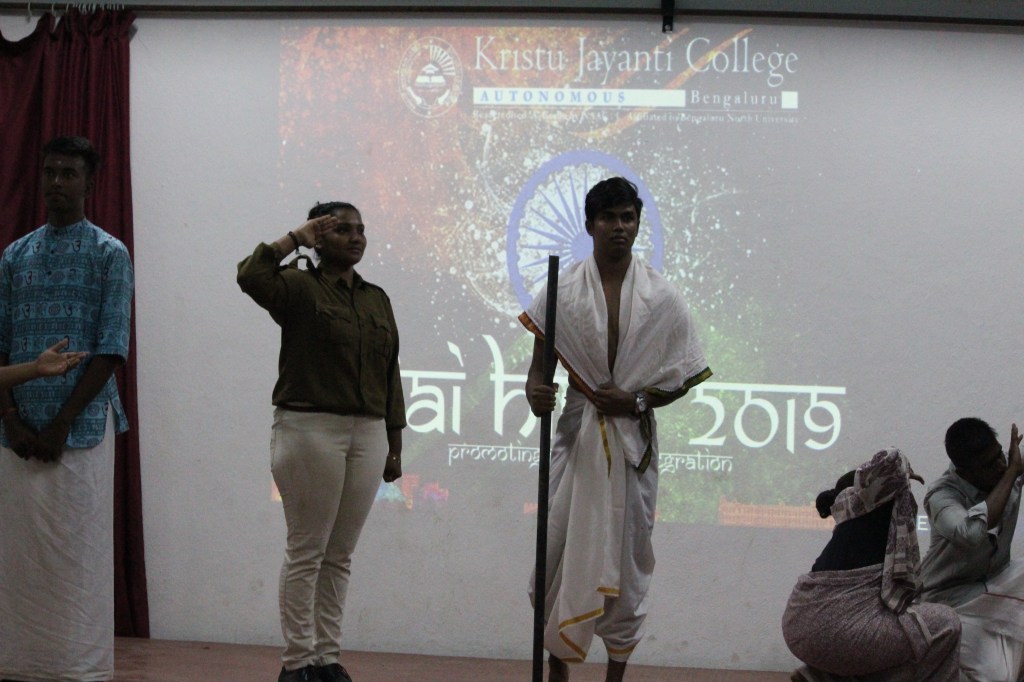
Jai Hind Programme pays tribute to the Indian Army with the theme ‘Unity in Diversity’. Exclusive Patriotic and Cultural exposition was showcased by students by displaying various ethnic attires of different states and union territories, dance performances, patriotic skit dedicated to Indian Army and followed by Indian National Anthem sung by the college choir team.
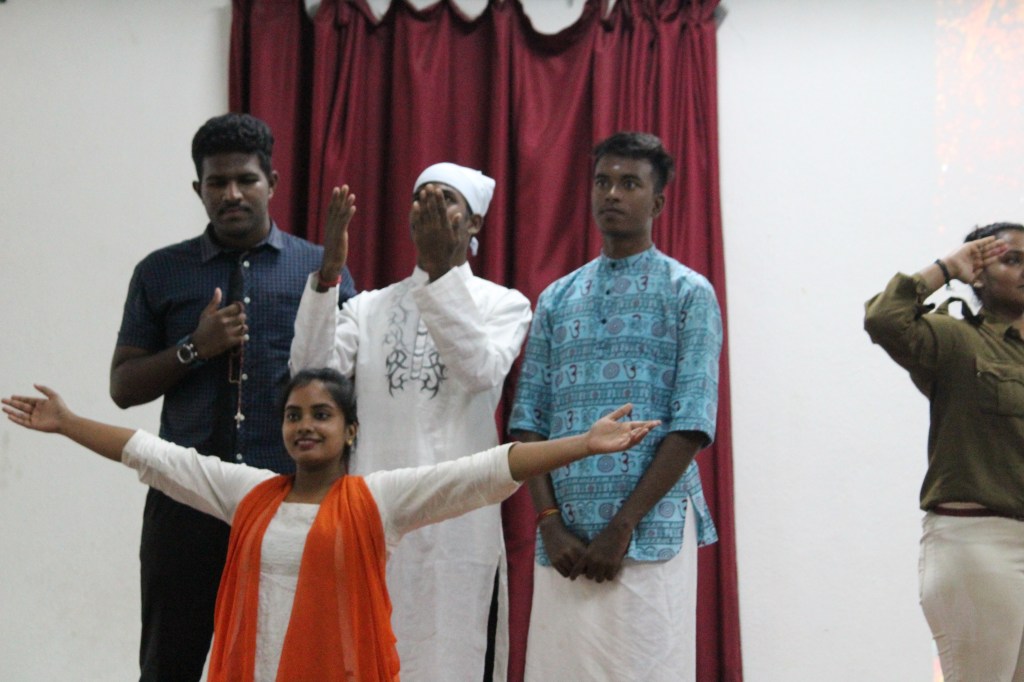
The theme for the song, dance and quiz events was ‘Independence’. For poster making, the theme was ‘Incredible India’, and for the skit, it was ‘Communal Harmony’.
“‘Jai Hind’ was a celebration of unity in diversity of our country. It is a tribute to the great martyrs and all the leaders who made our country a blessed nation,” said by the Principal Rev. Fr. Josekutty P. D.
“This event aimed to bring out patriotism, love, and unity. Though we may come from different communities, society or cultures, we portray Unity in Diversity,” opined Vijaykumar R, Head, Department of Commerce.
The event tried to enhance the spirit of patriotism among the students and to remind them the value of the freedom that we relish because of the courage, sacrifices, and dedication laid down by our ancestors and leaders of the country. “Jai Hind is the exposition of the unique diversity and heritage of our nation that invokes patriotic sentiments in the hearts of the people”.
The event was coordinated and led by a team of faculty members from the commerce department, comprising of Prof Surjit Singha, Prof. Thanuja K A, Prof. Saranya S, Prof. Ashwitha, Prof. Santhosh V.
“ Jai Hind Programme is one of the unique programmes which had showcased and depicted our culture, custom, heritage and richness of our motherland which is going to be carried forwarded by the generations to come at Kristu Jayanti College” said by Prof. Surjit Singha, from the Department of Commerce.
Article Submitted By: Prof. Surjit Singha. Name of the Event: Jai Hind. Organized by: Department of Commerce, Kristu Jayanti College (Autonomous) Location: Bengaluru, Karnataka, India Date of the Event: 14 August 2019
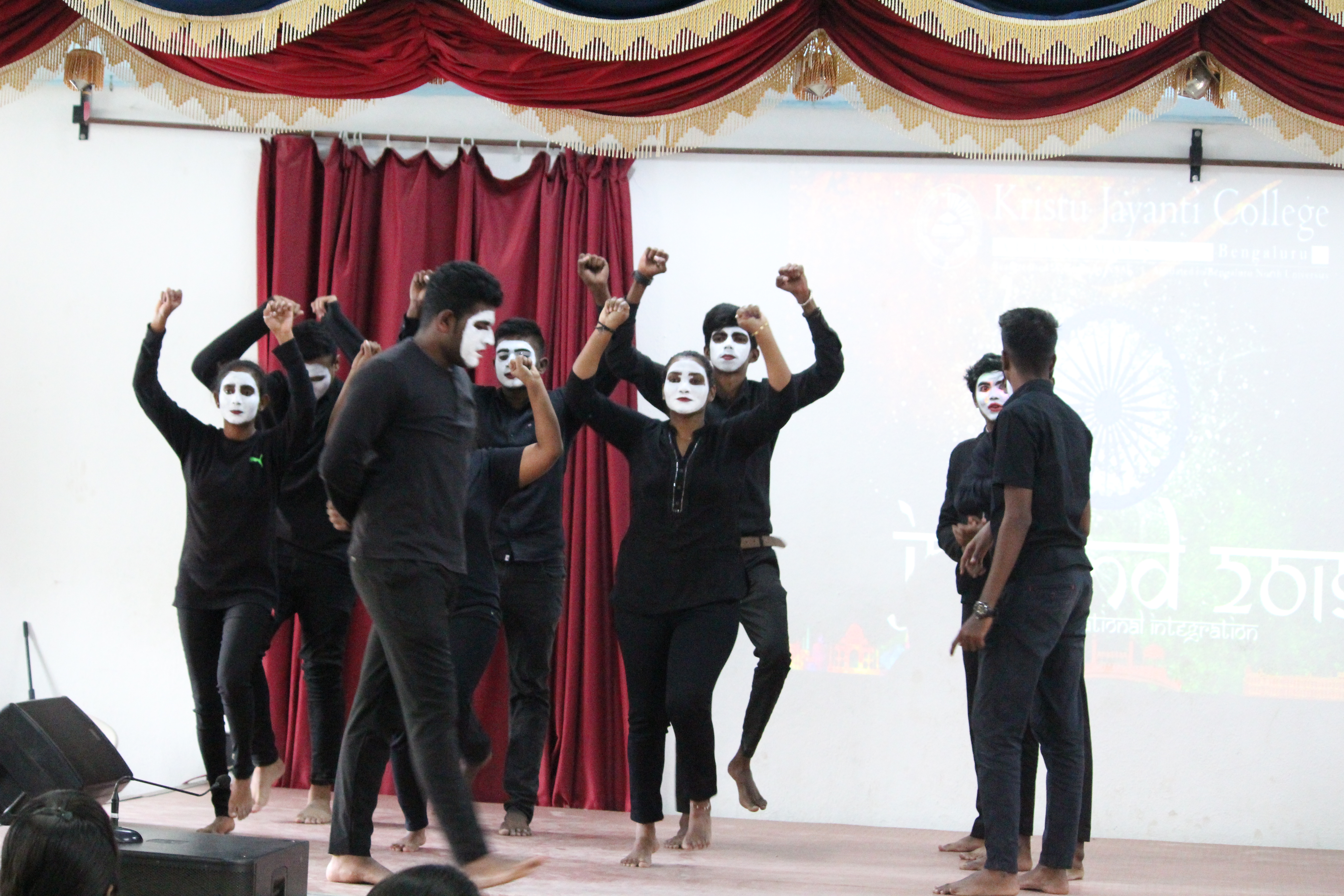
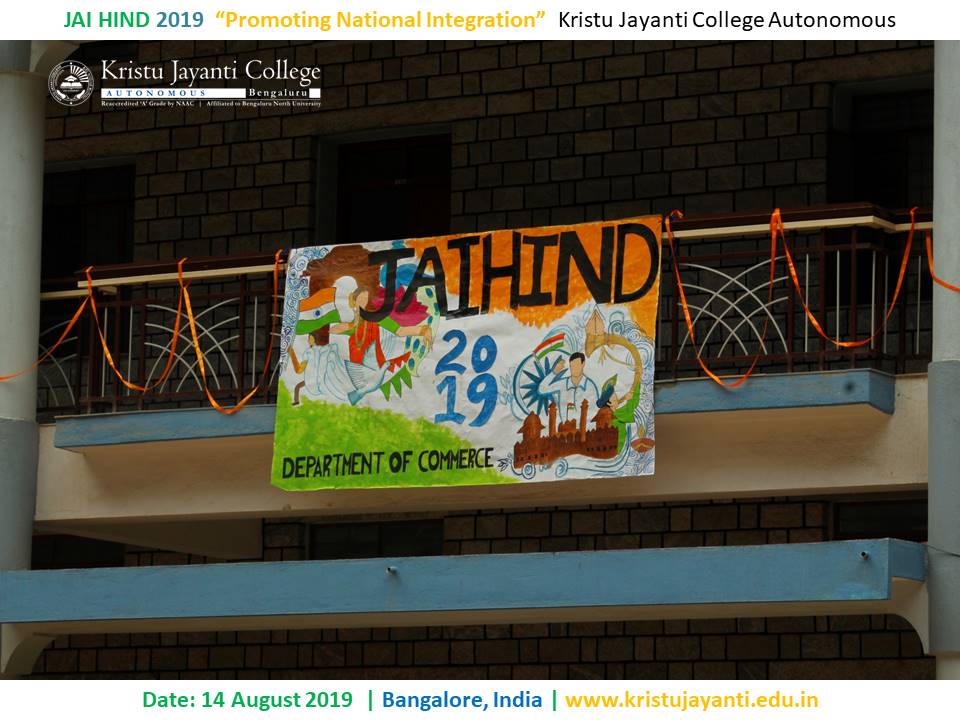
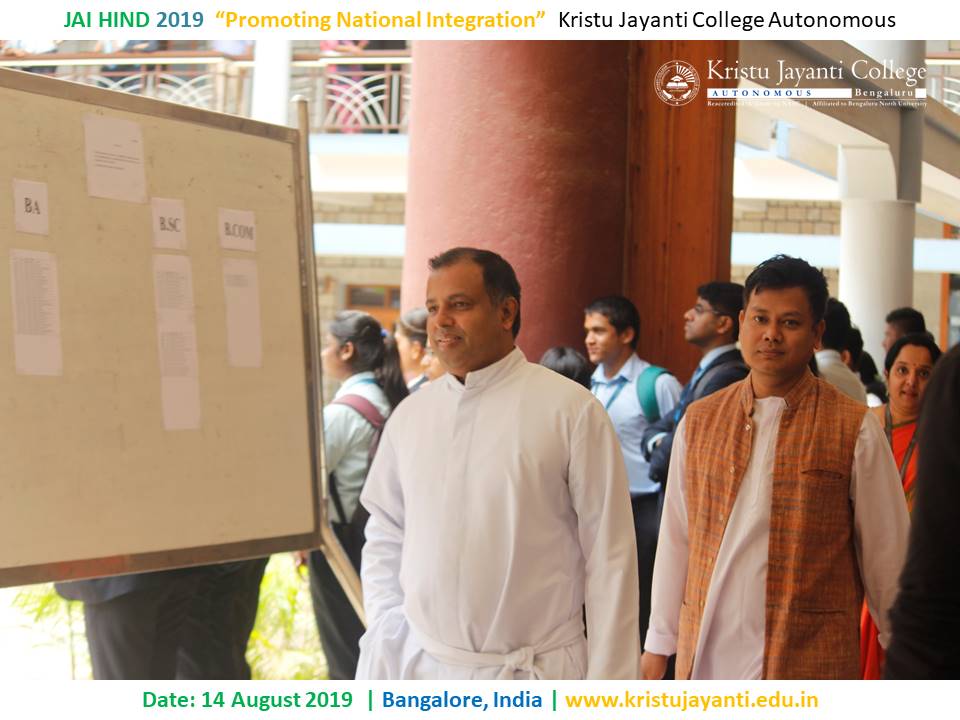
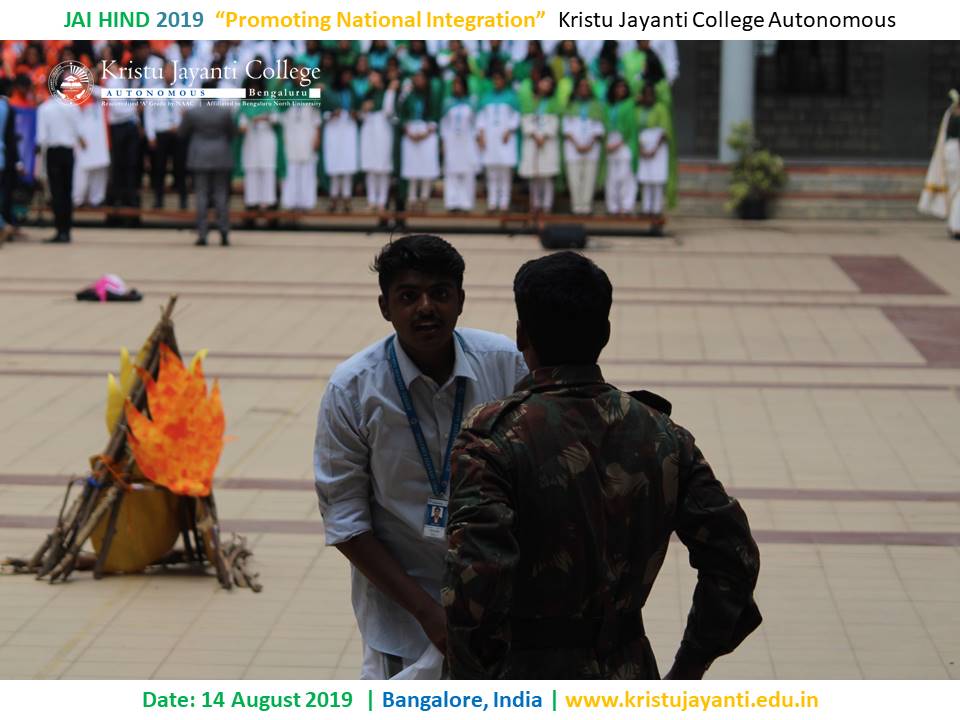
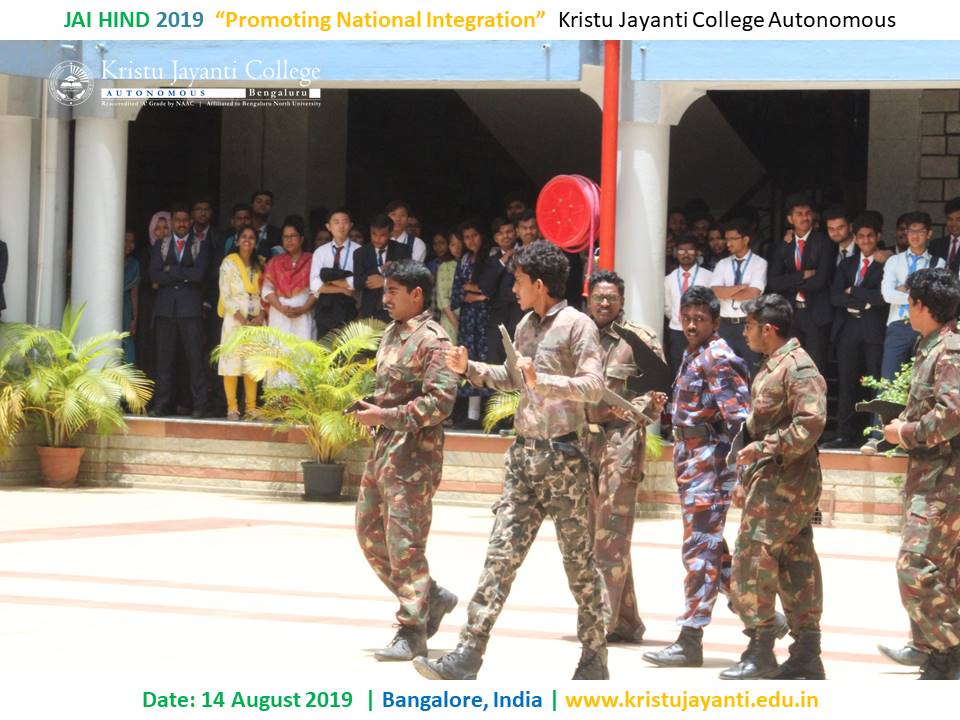
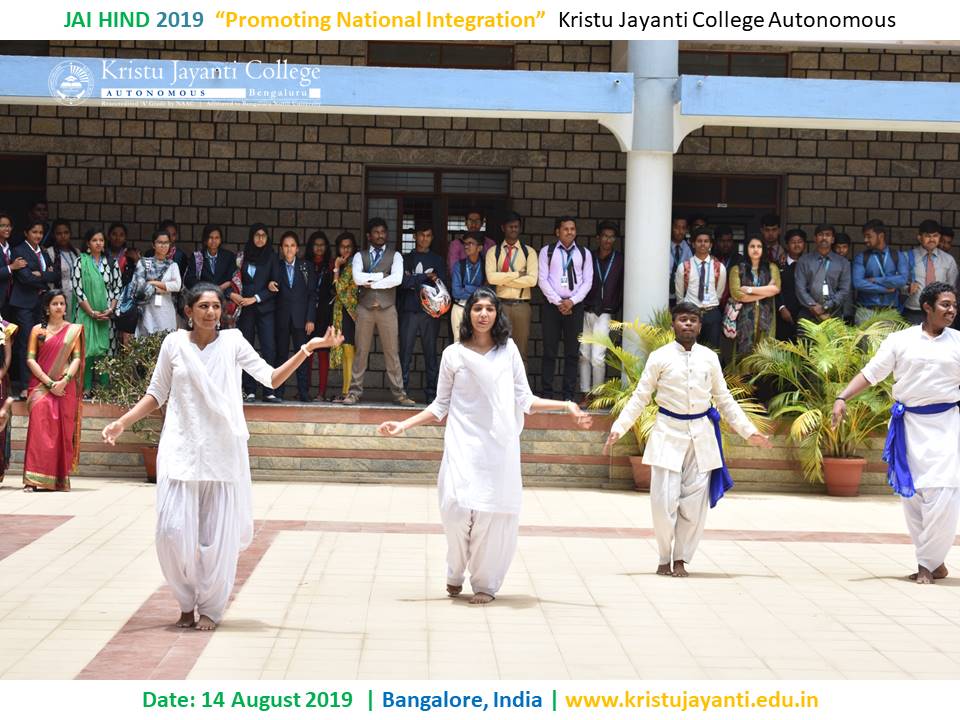
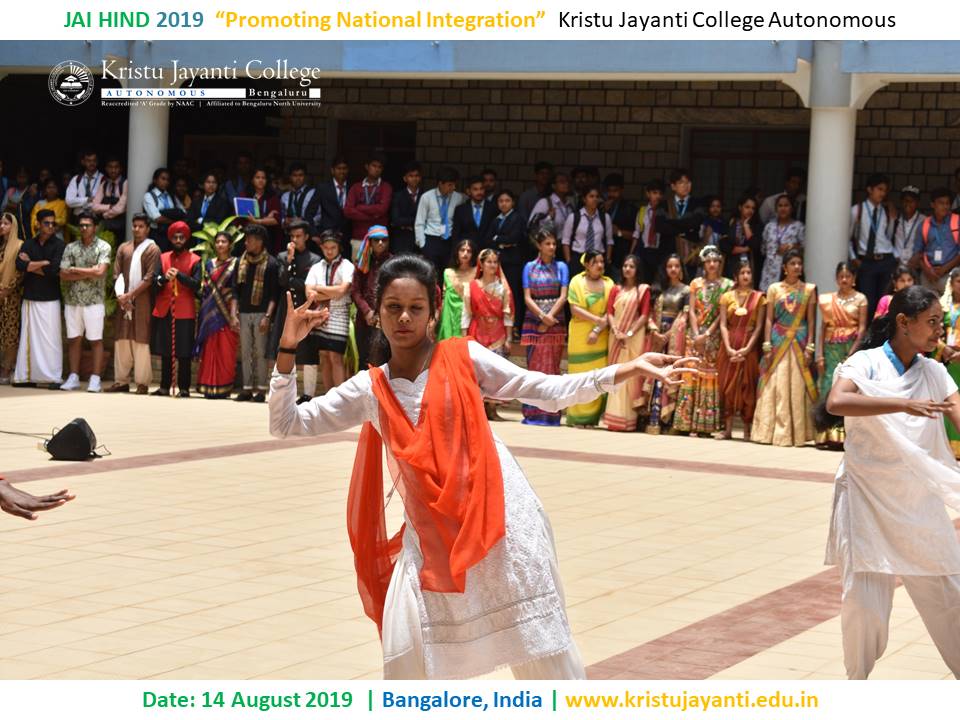
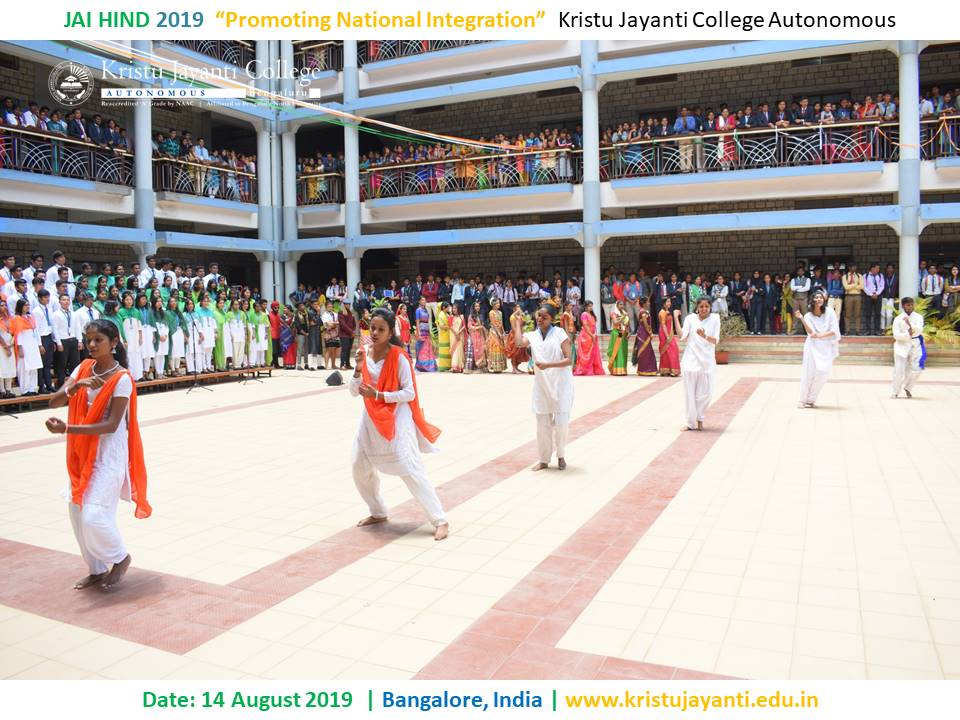
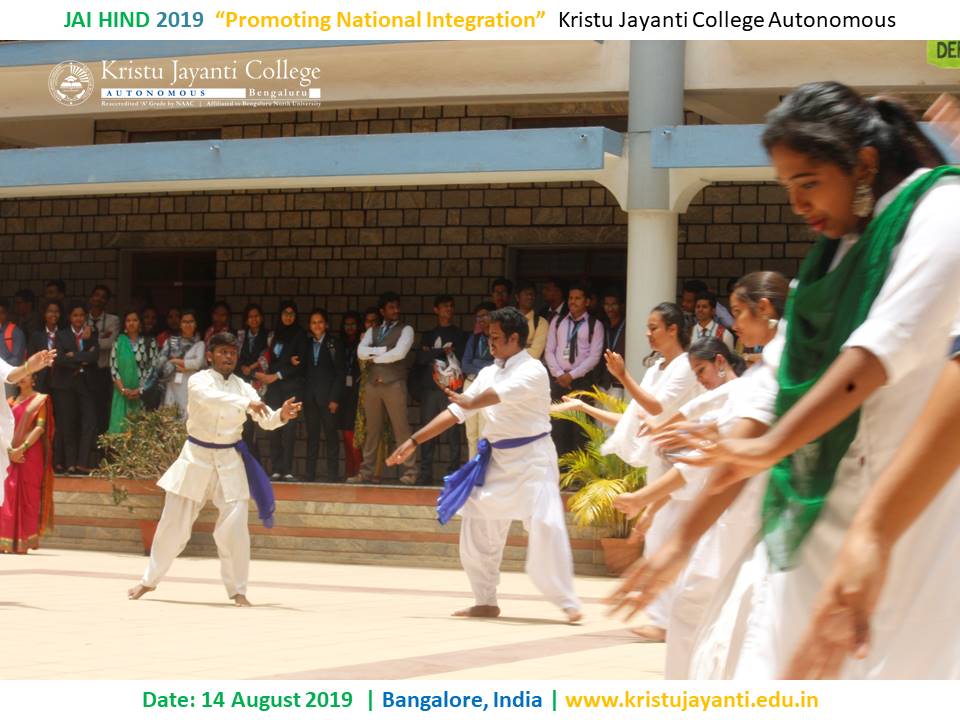
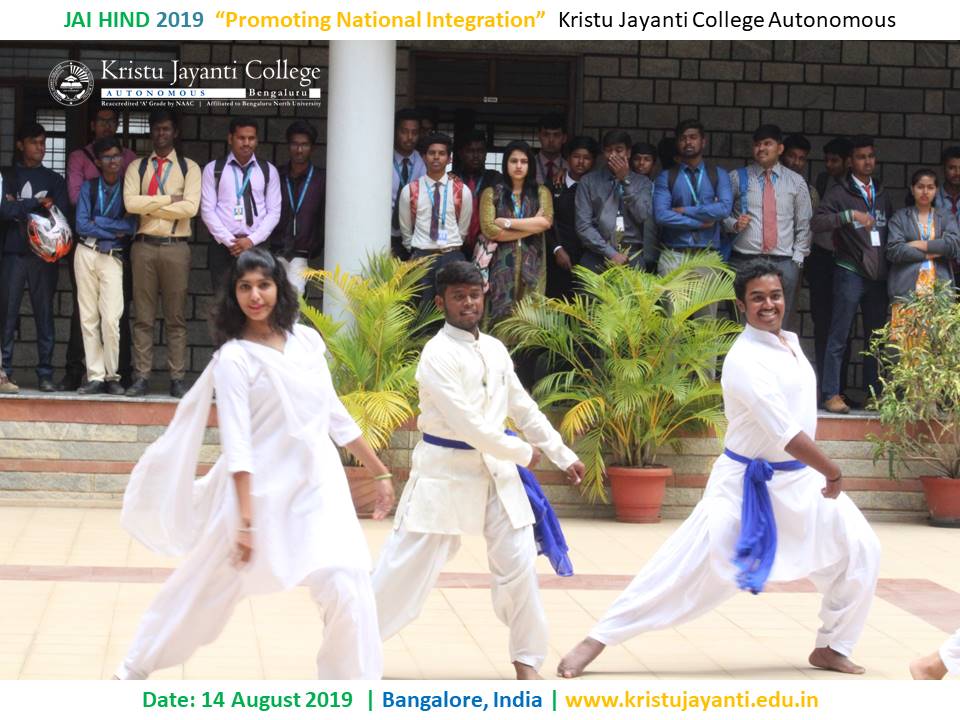
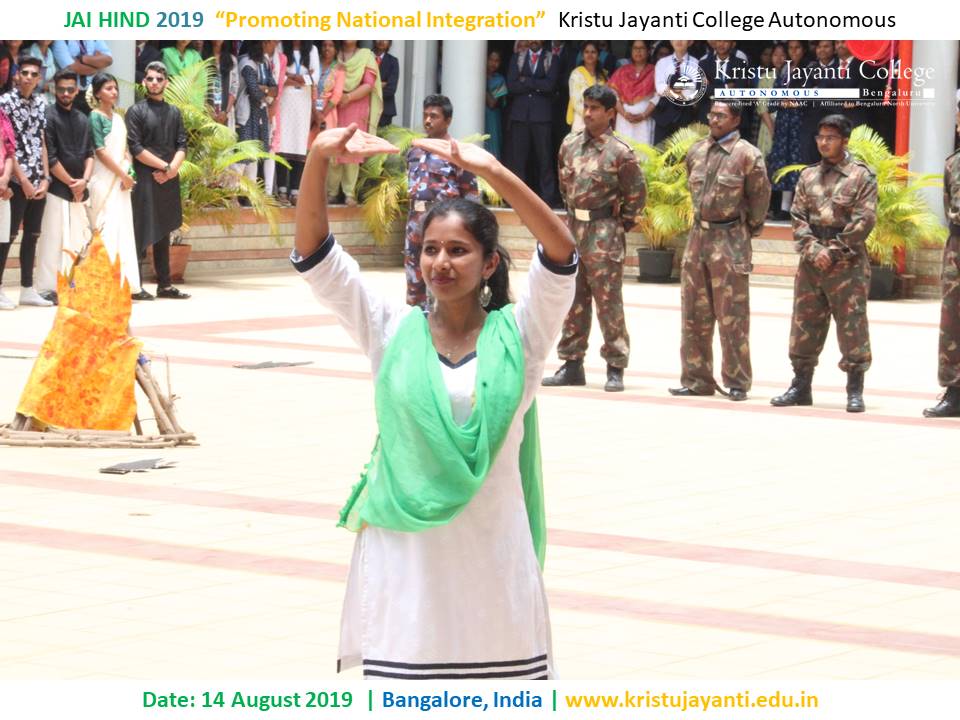
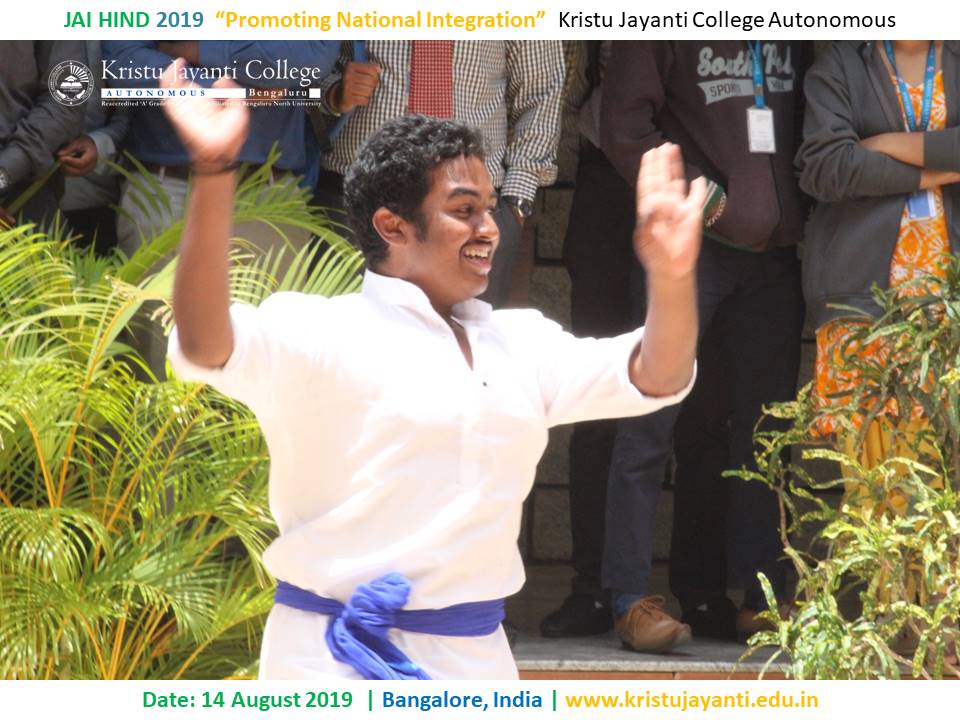
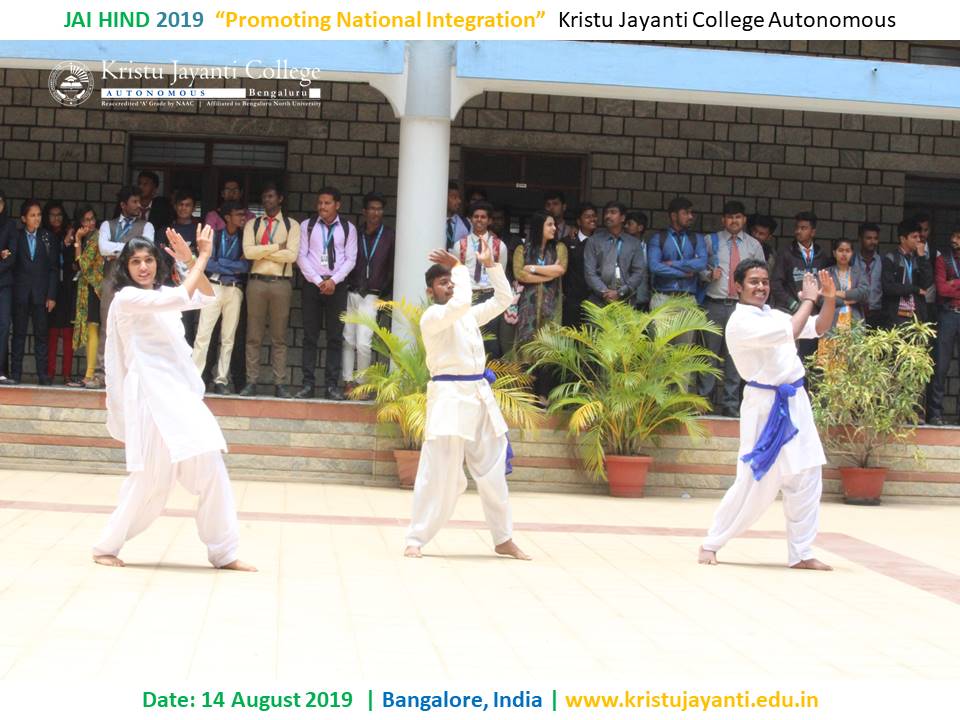
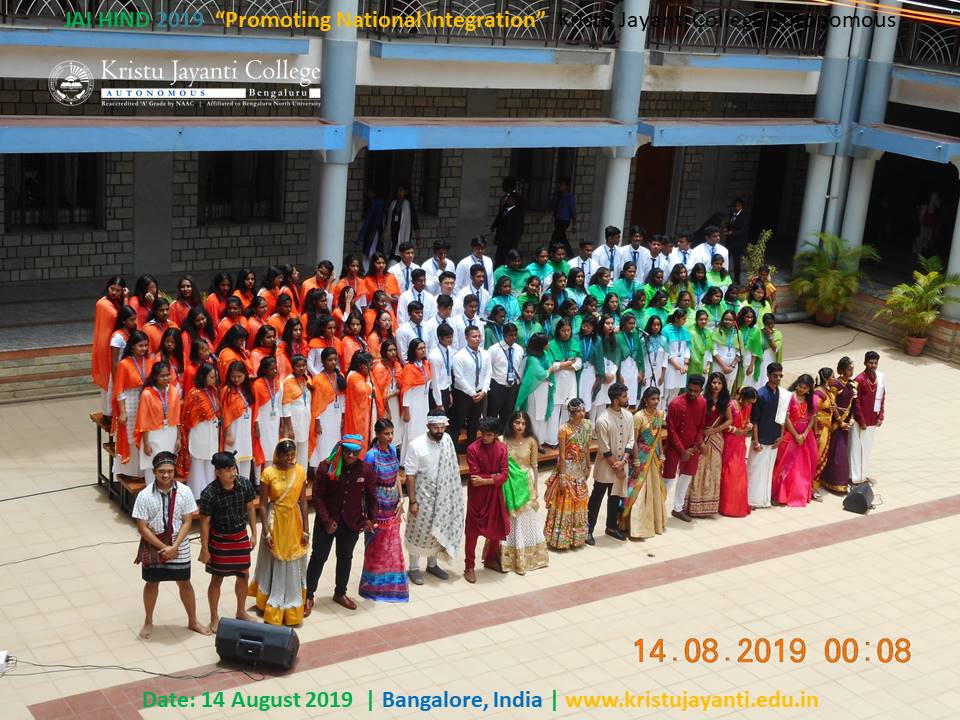
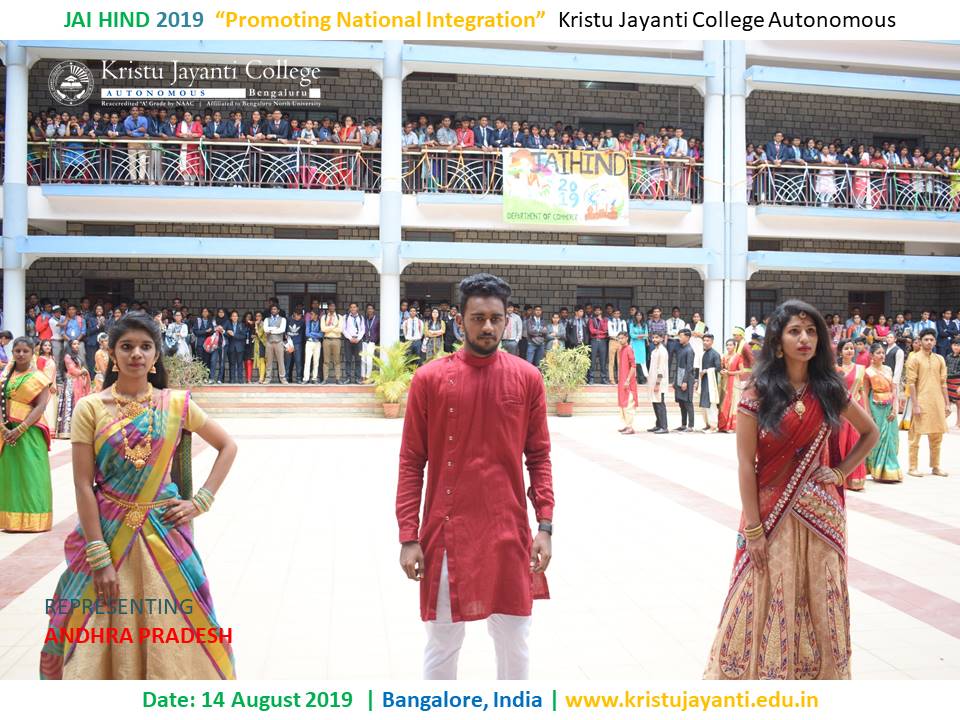
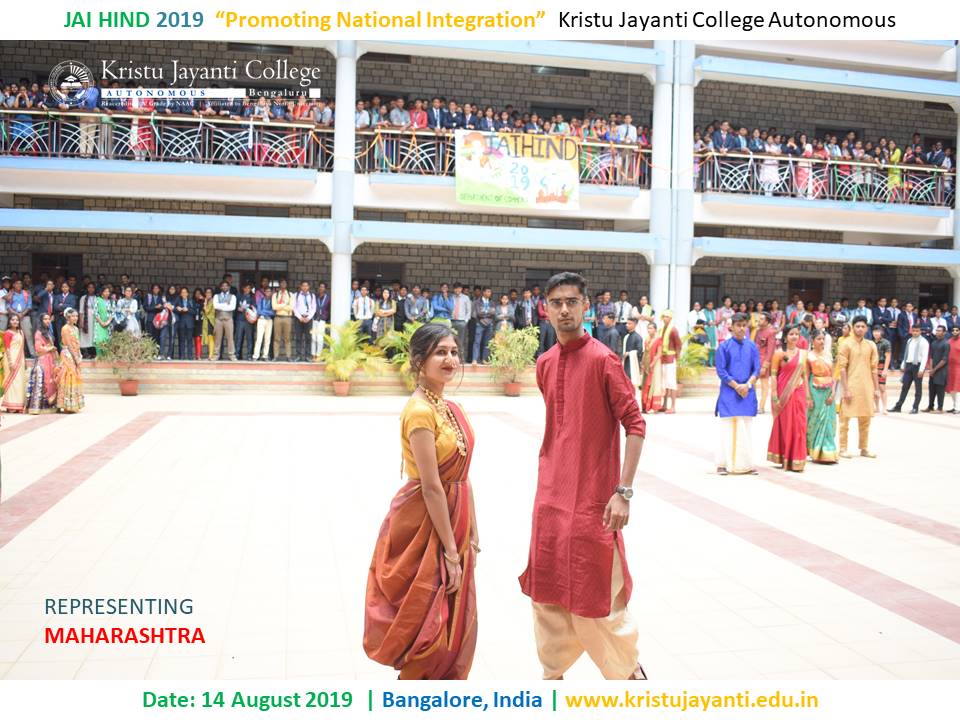
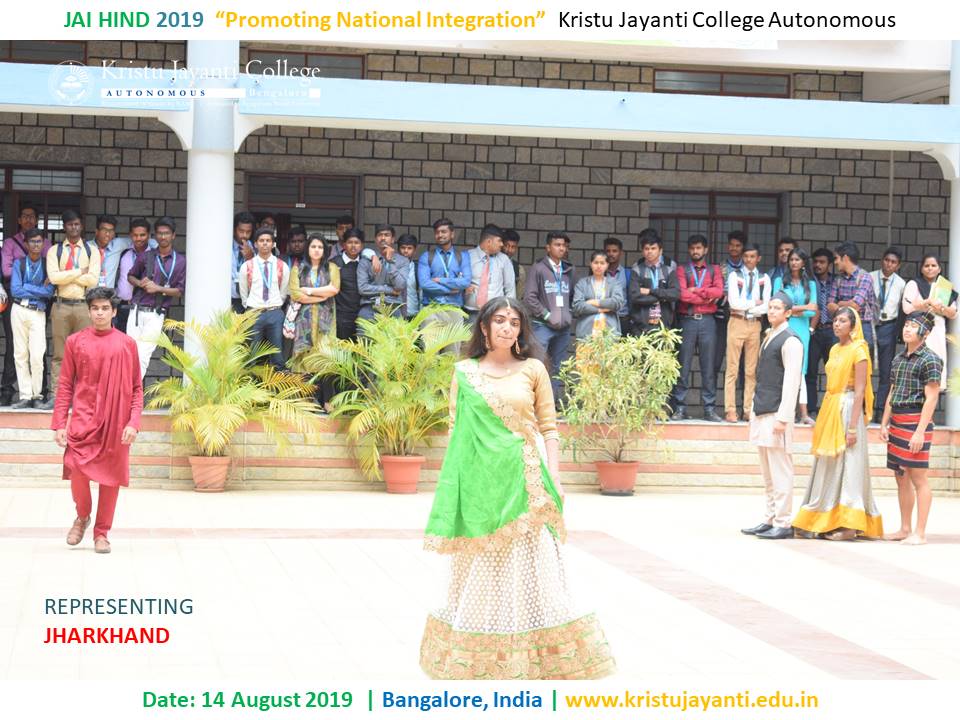
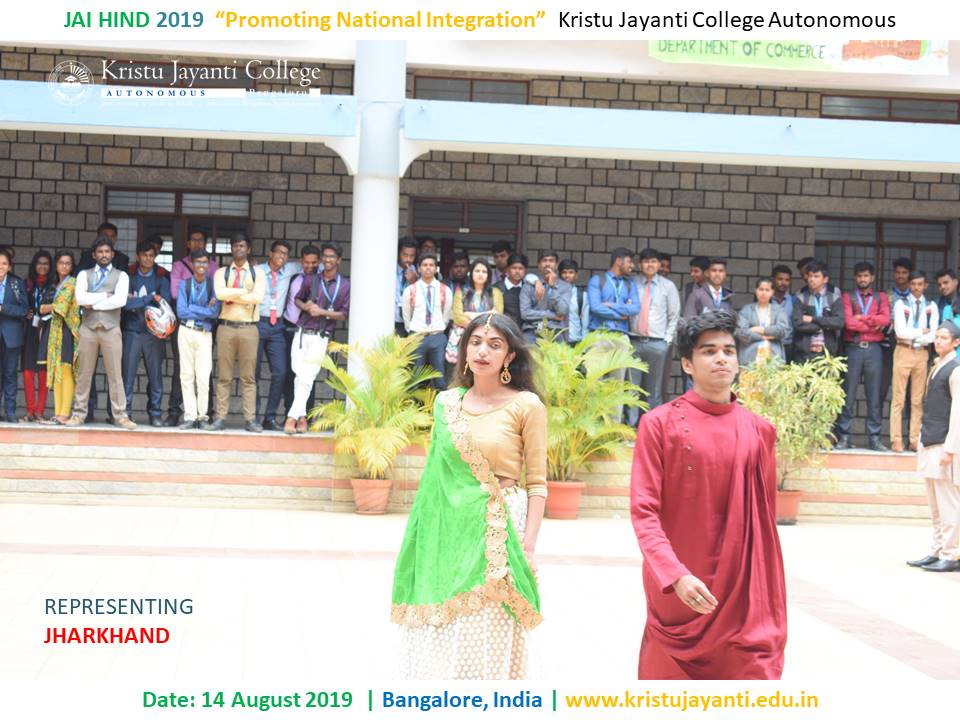
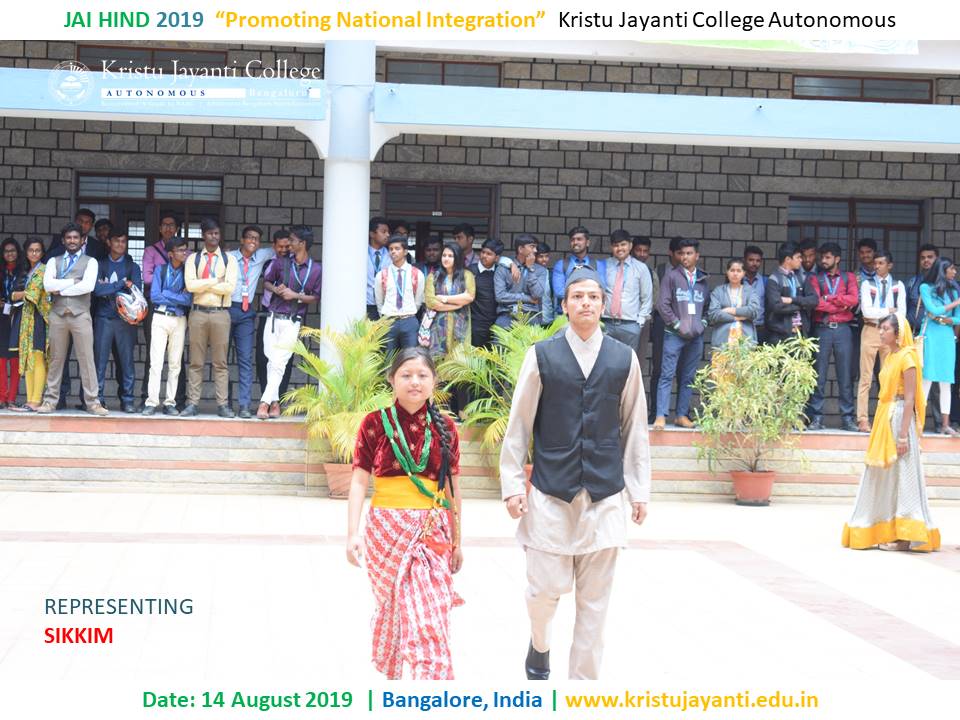
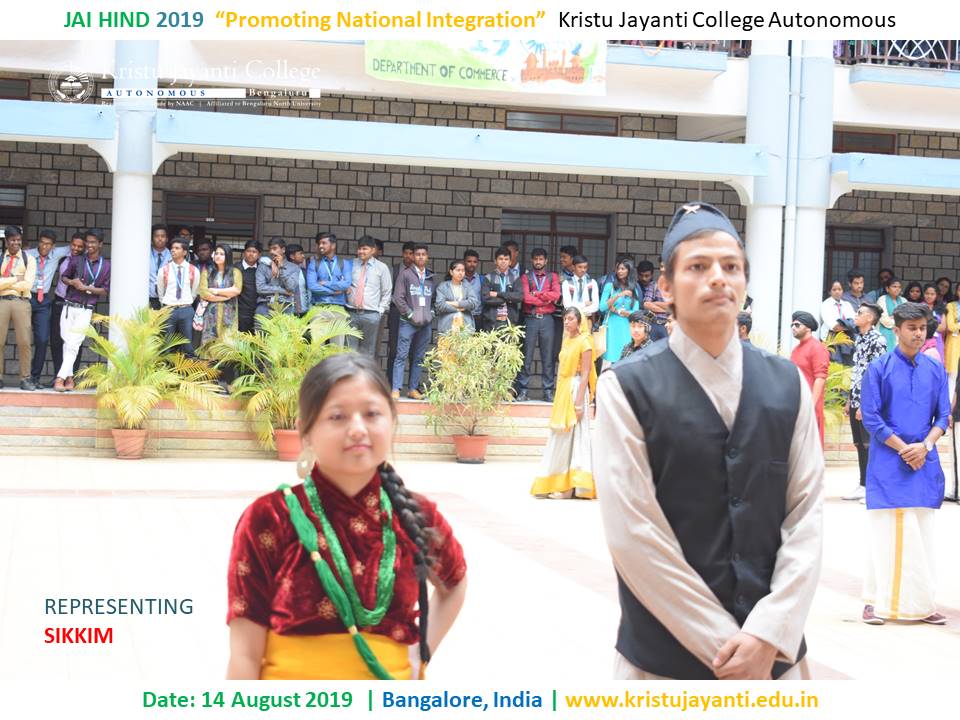
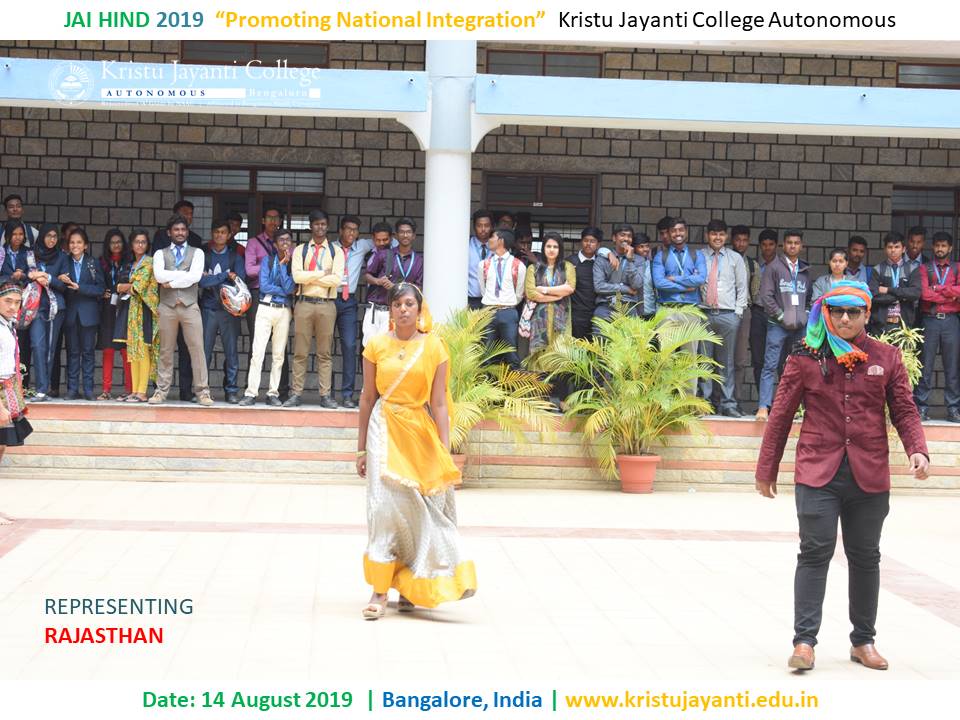
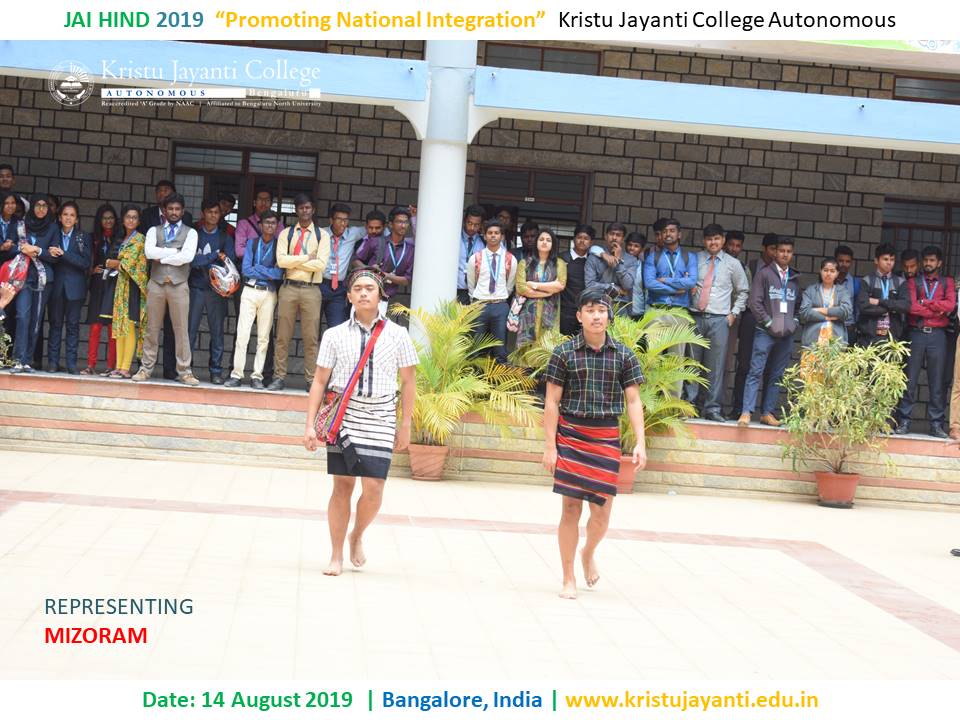
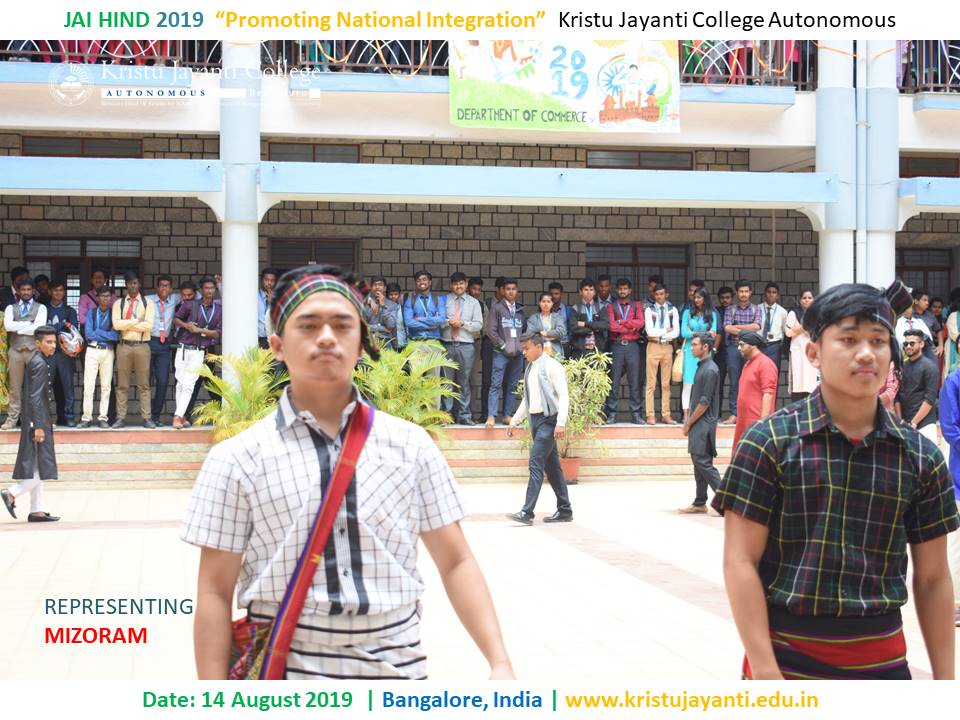
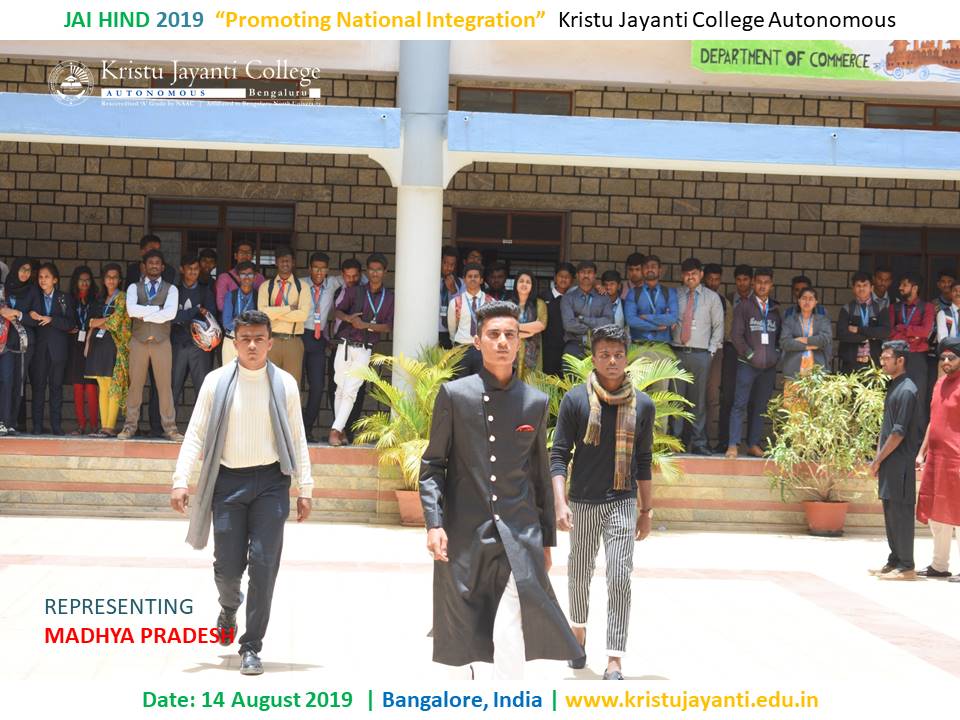
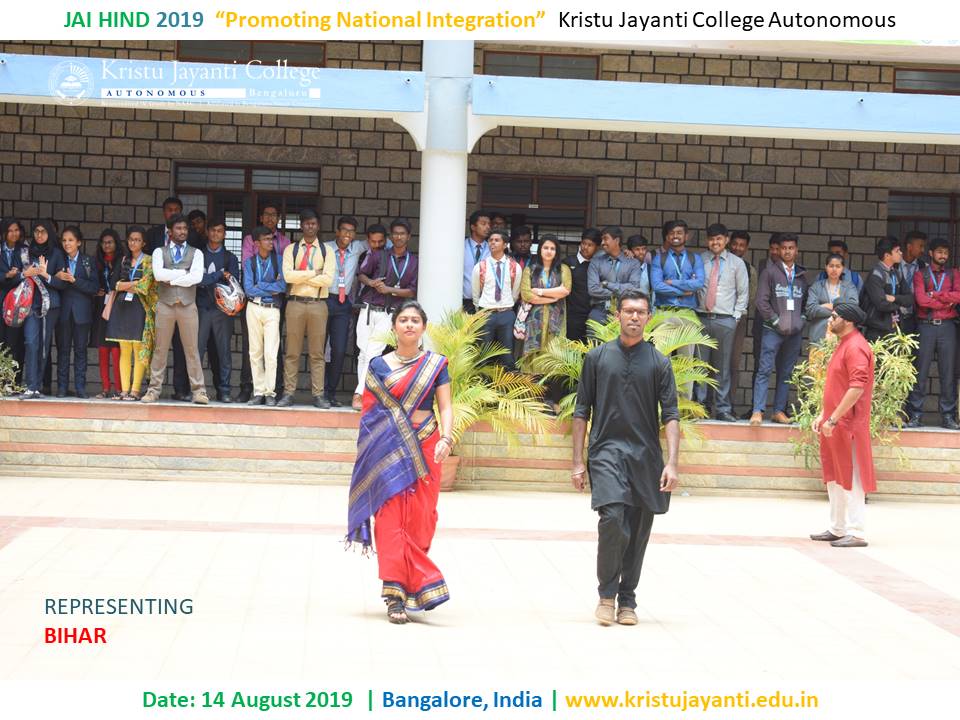
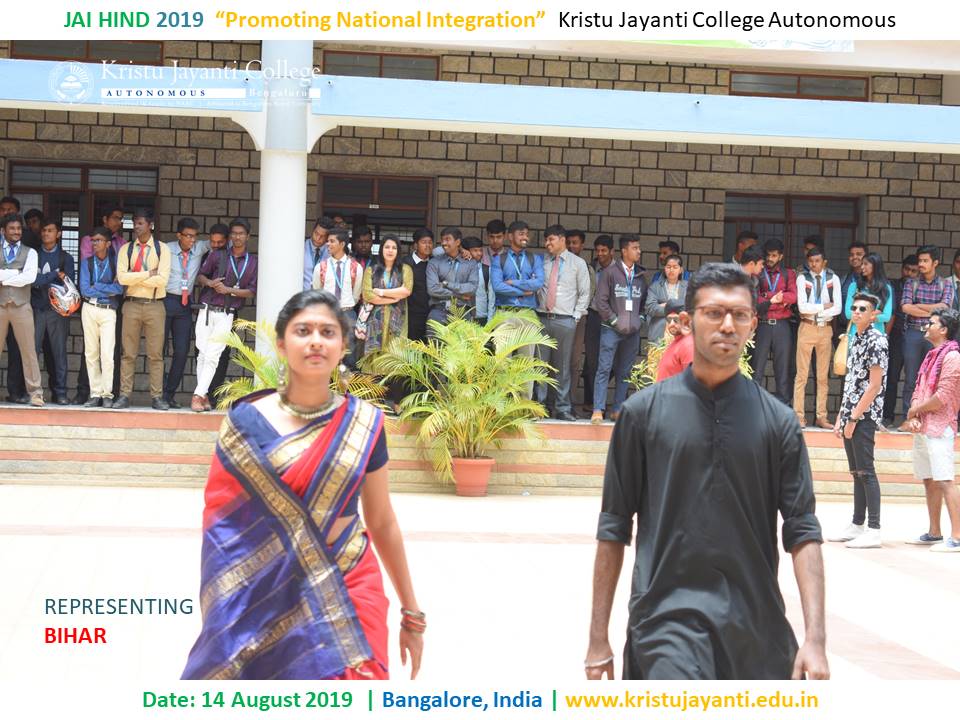
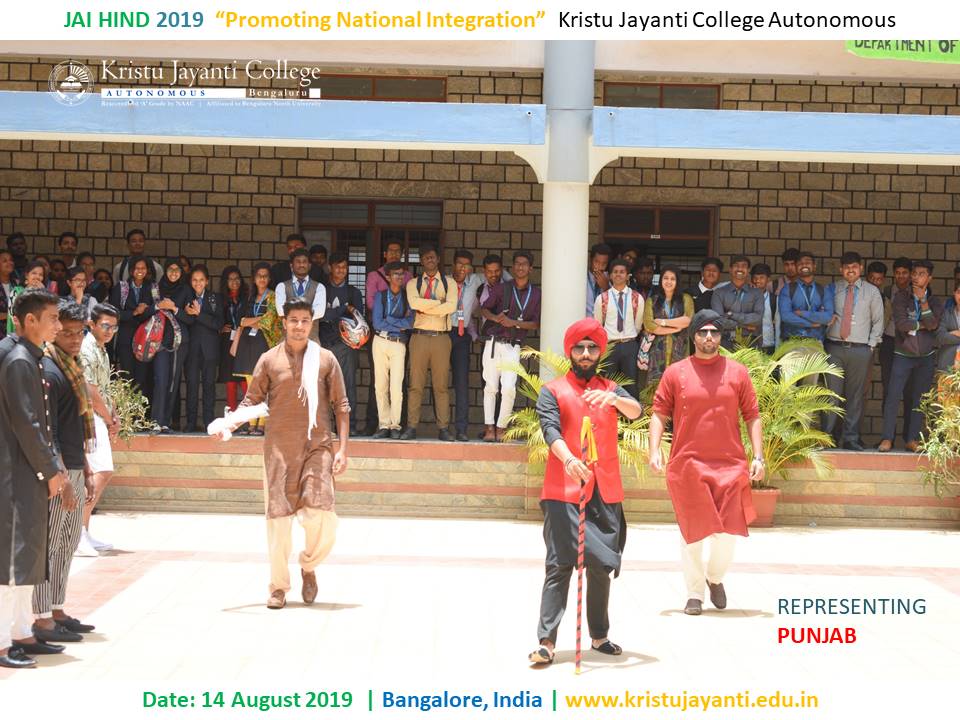
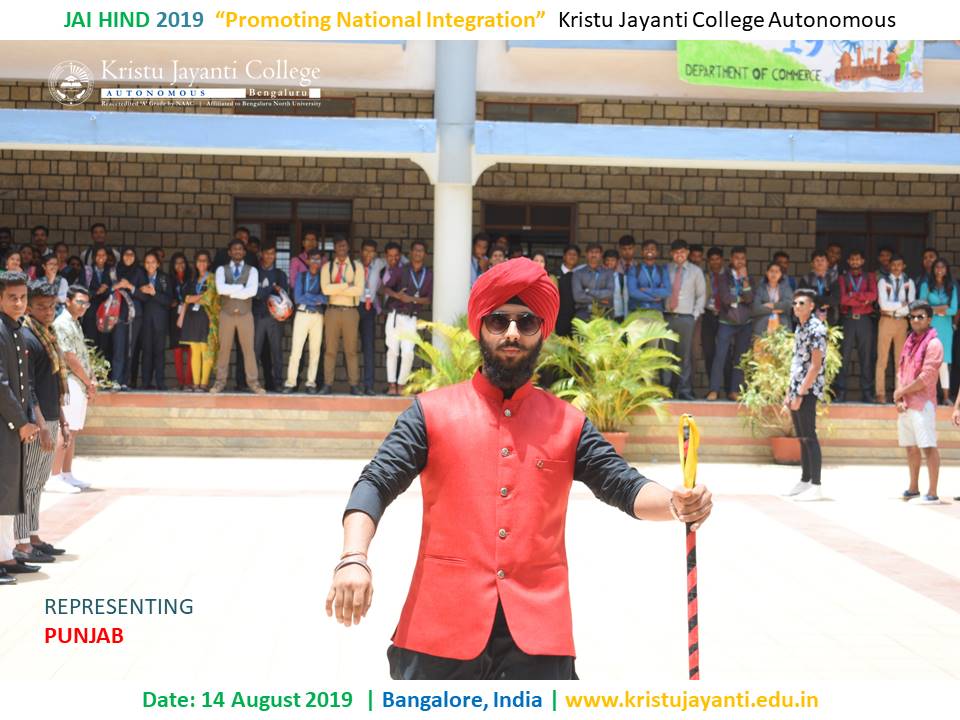
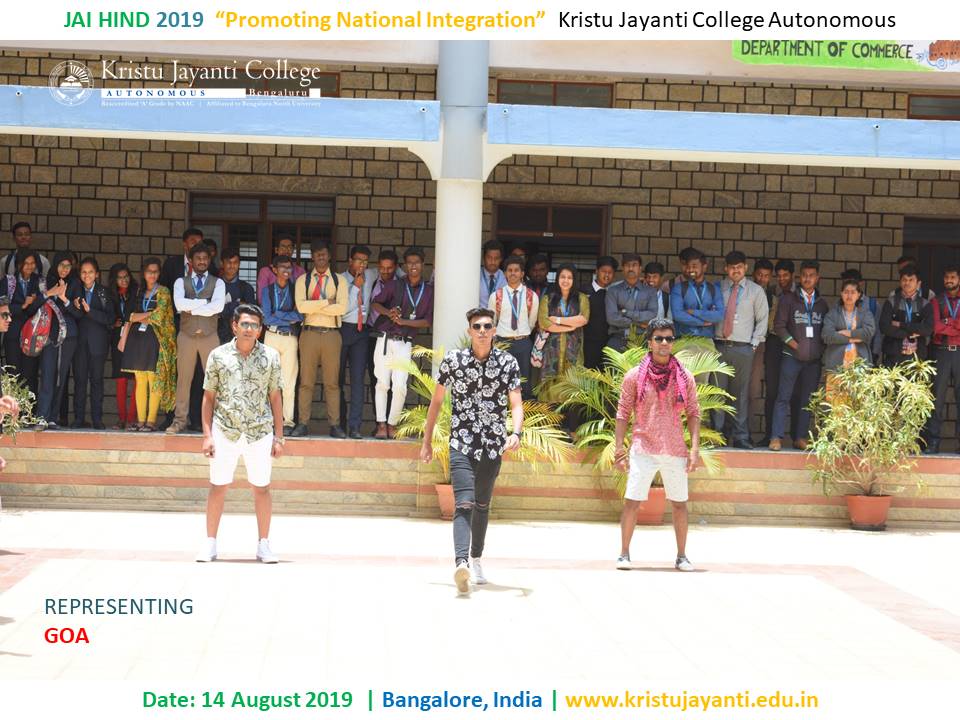
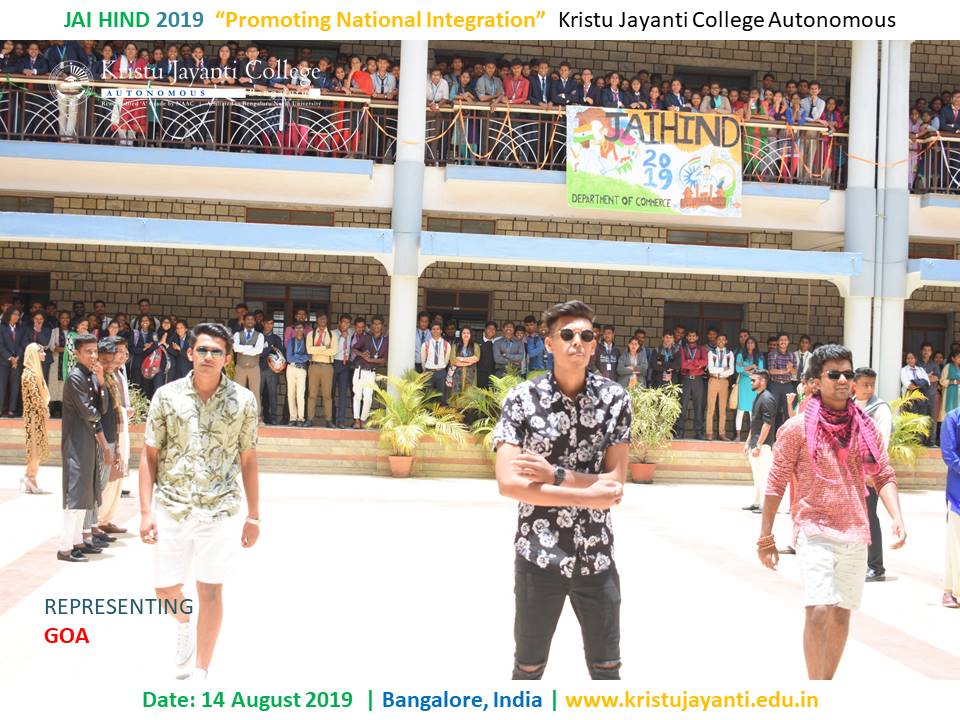
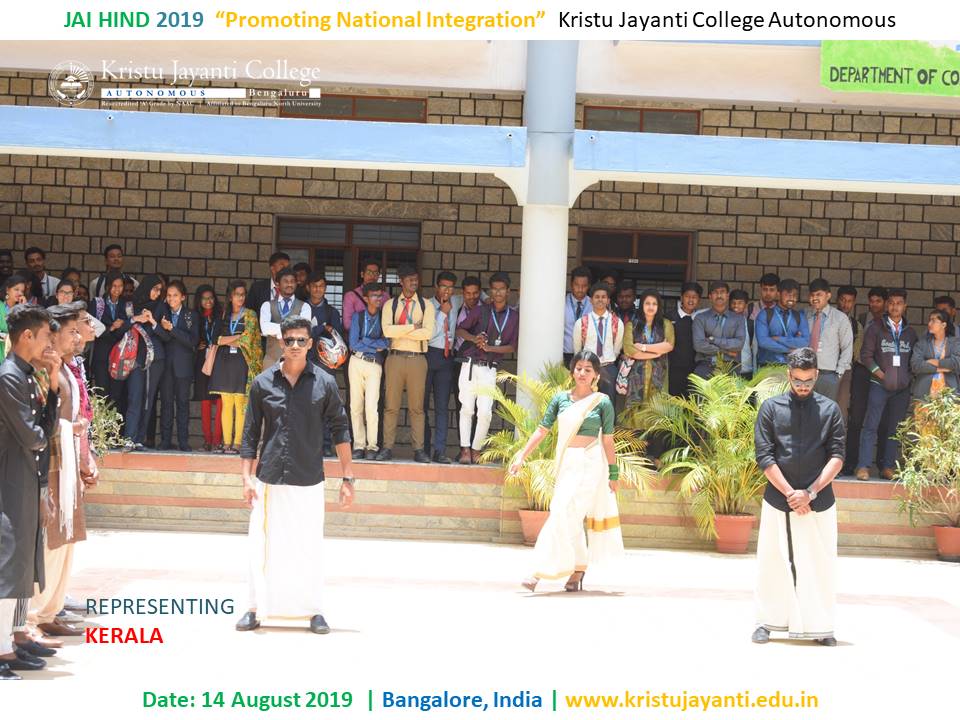
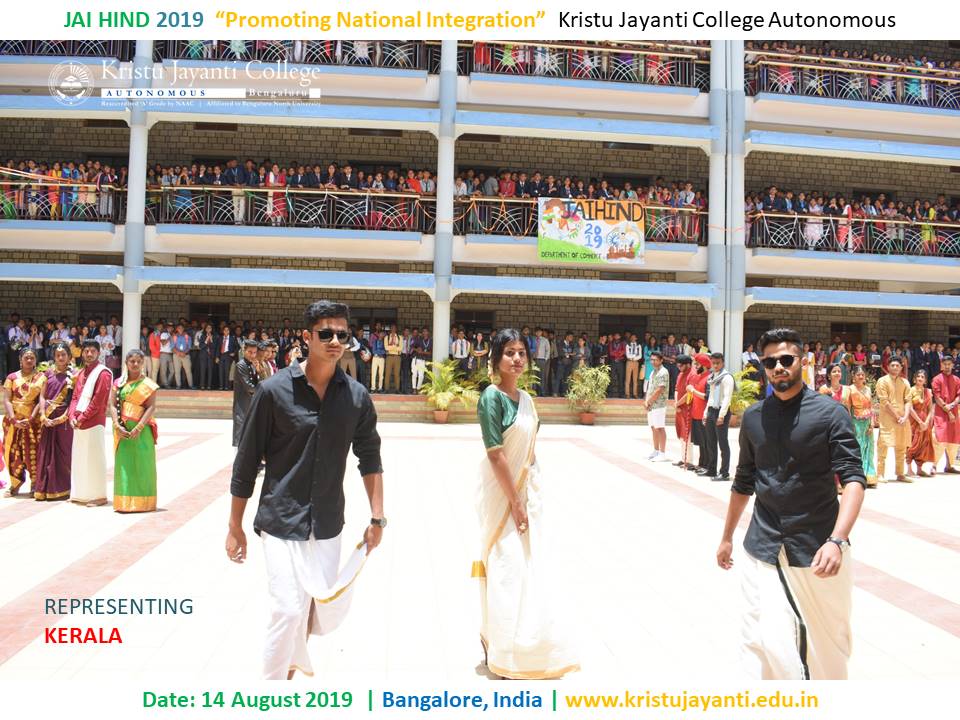
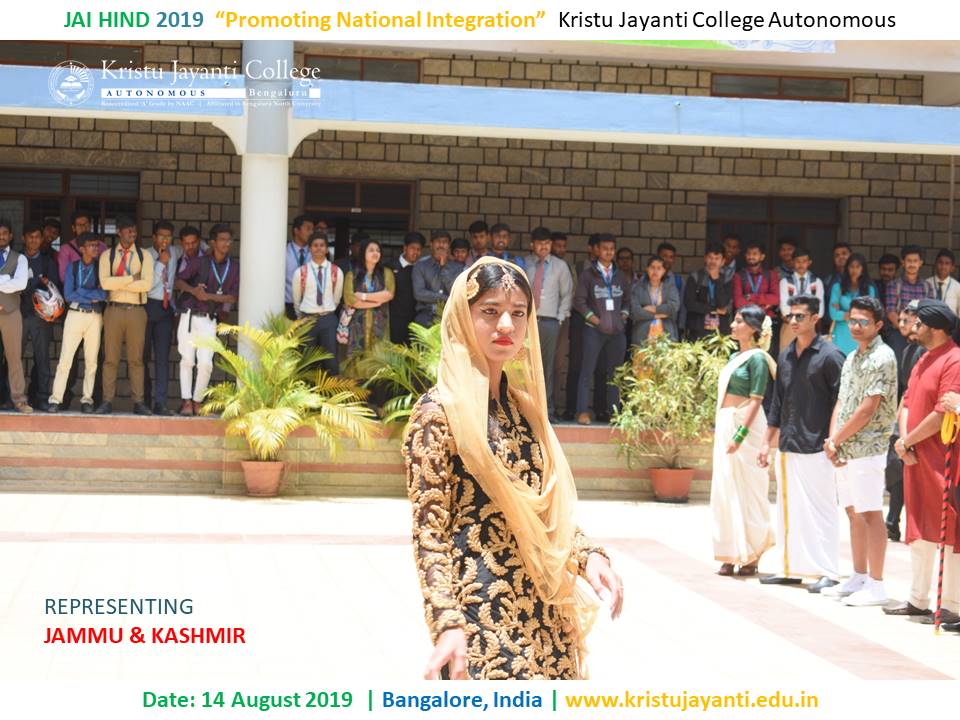
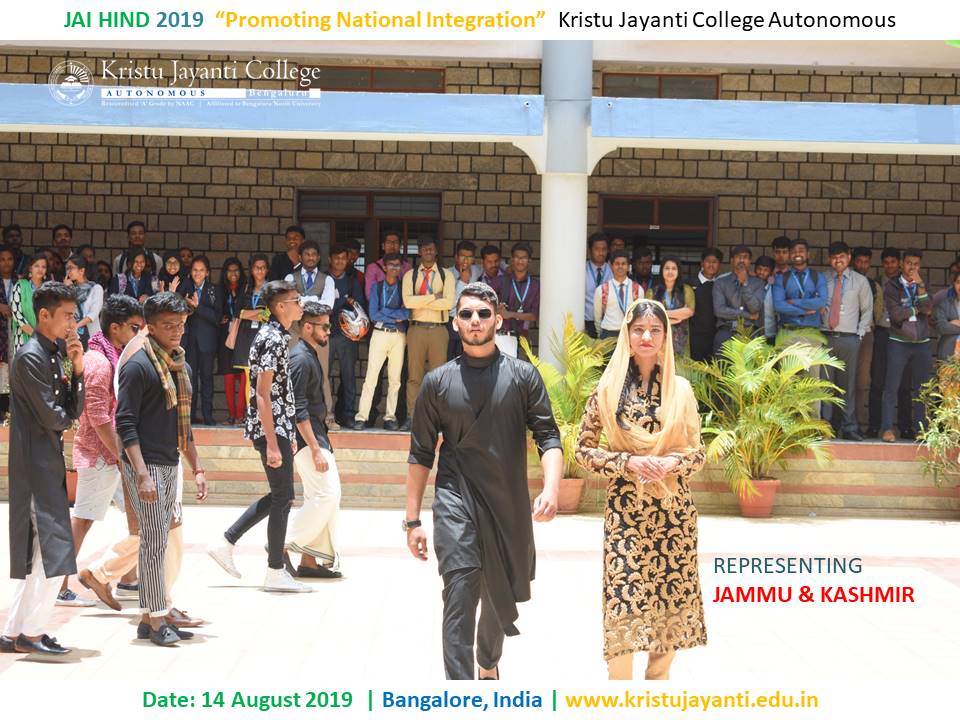
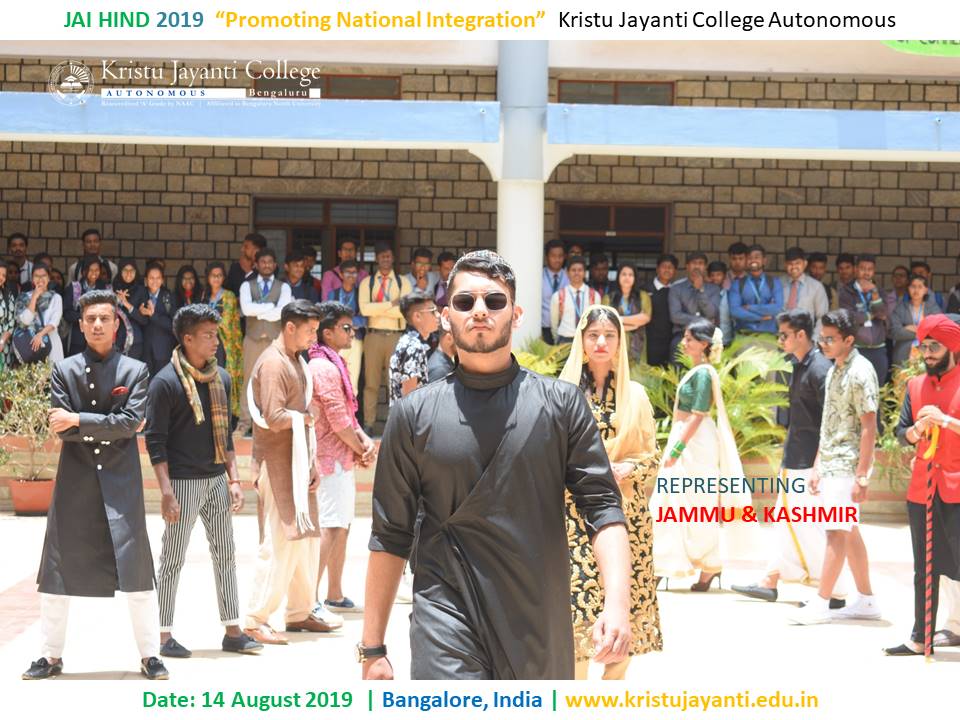
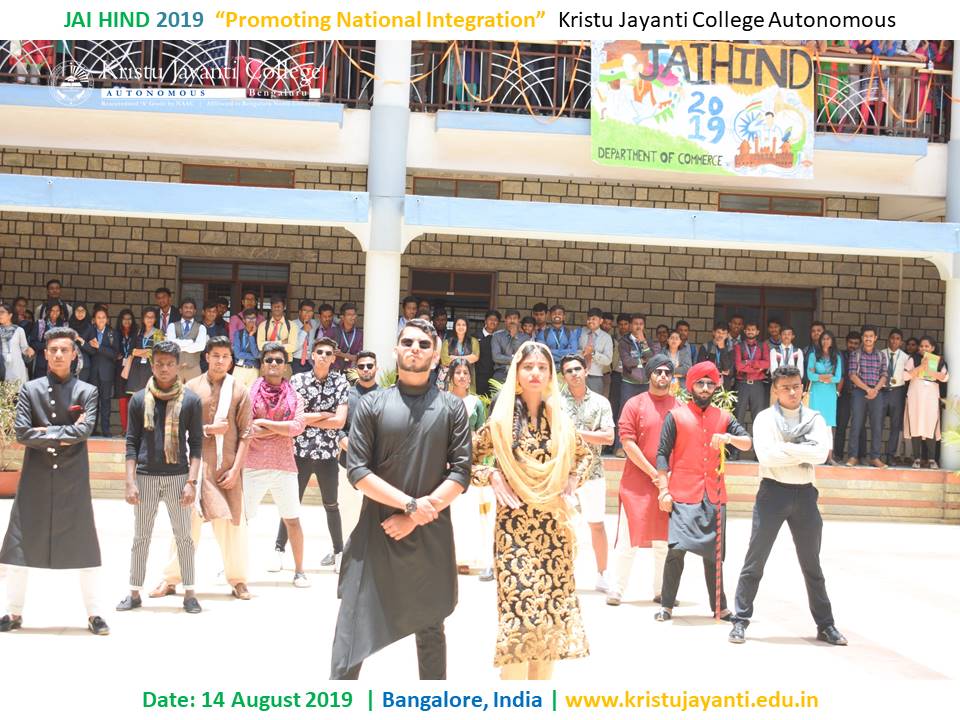
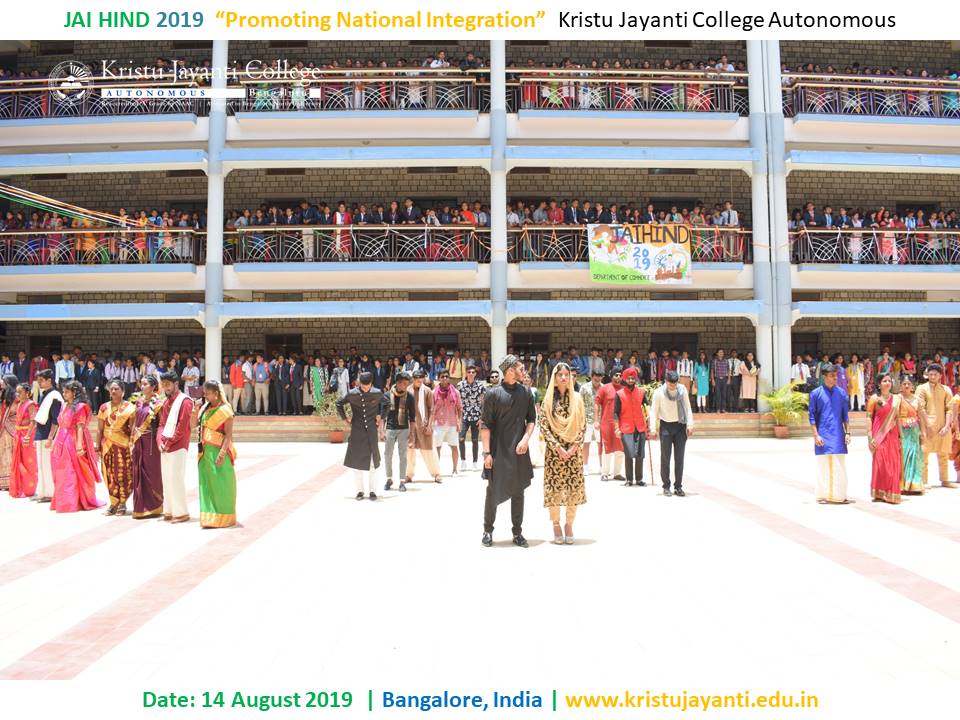
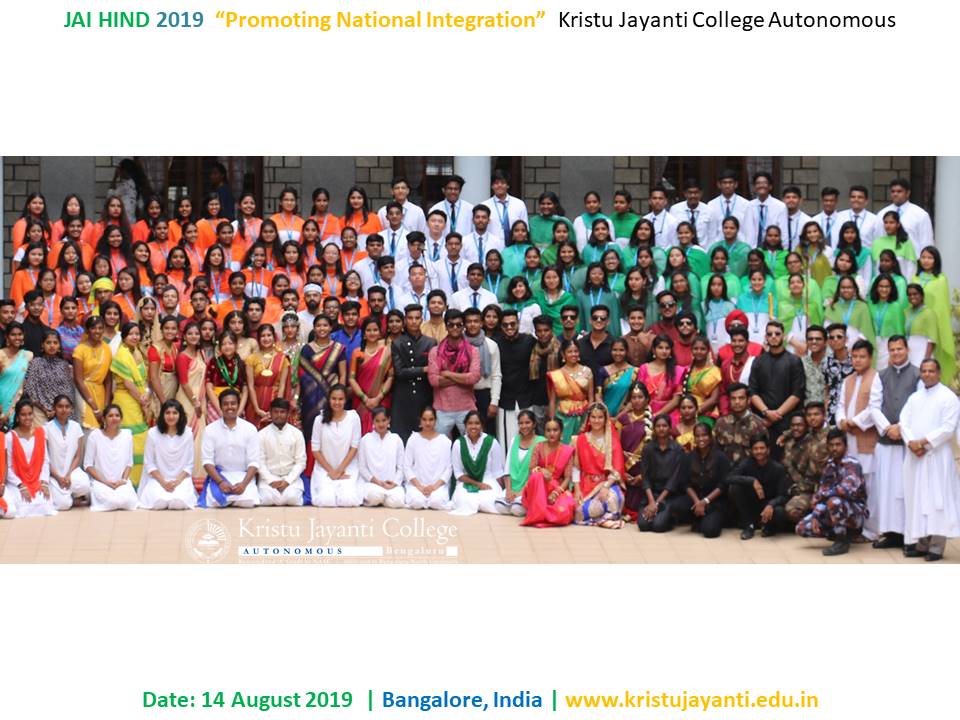
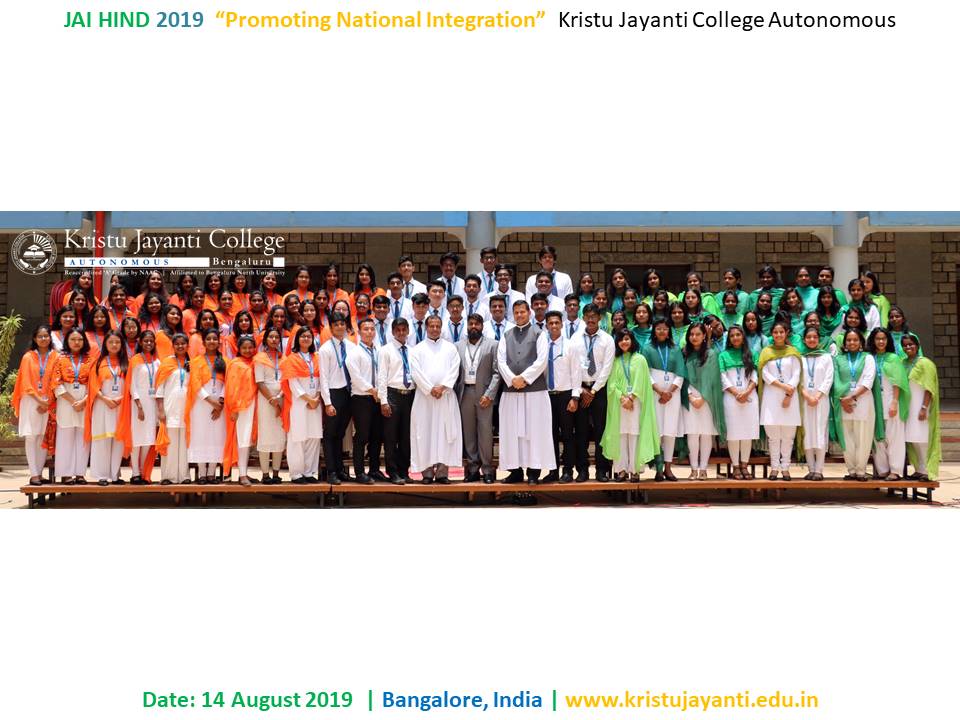
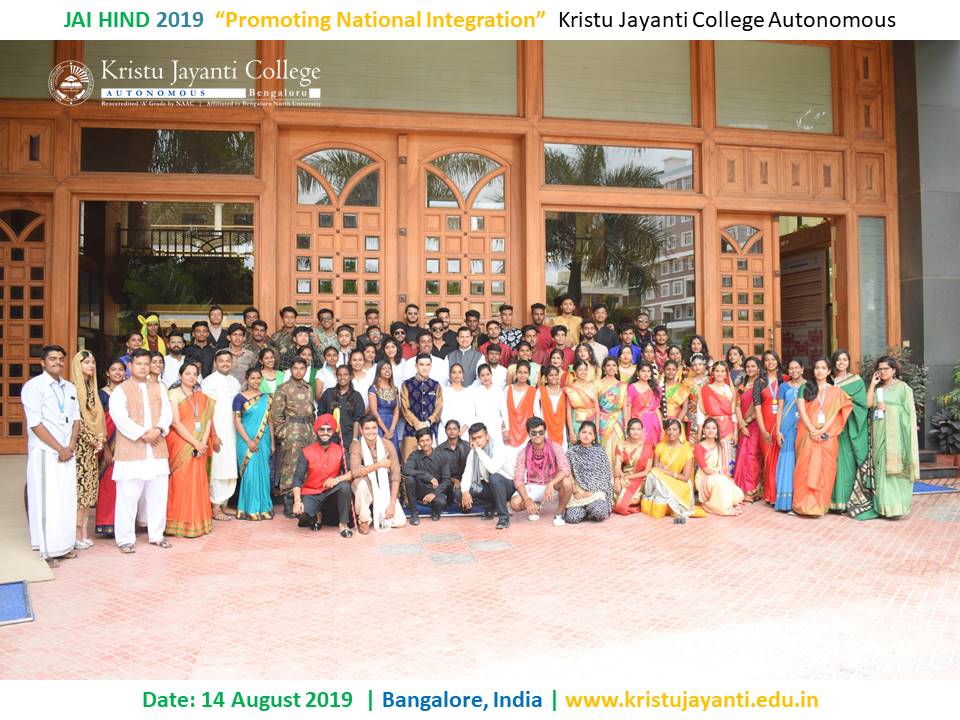
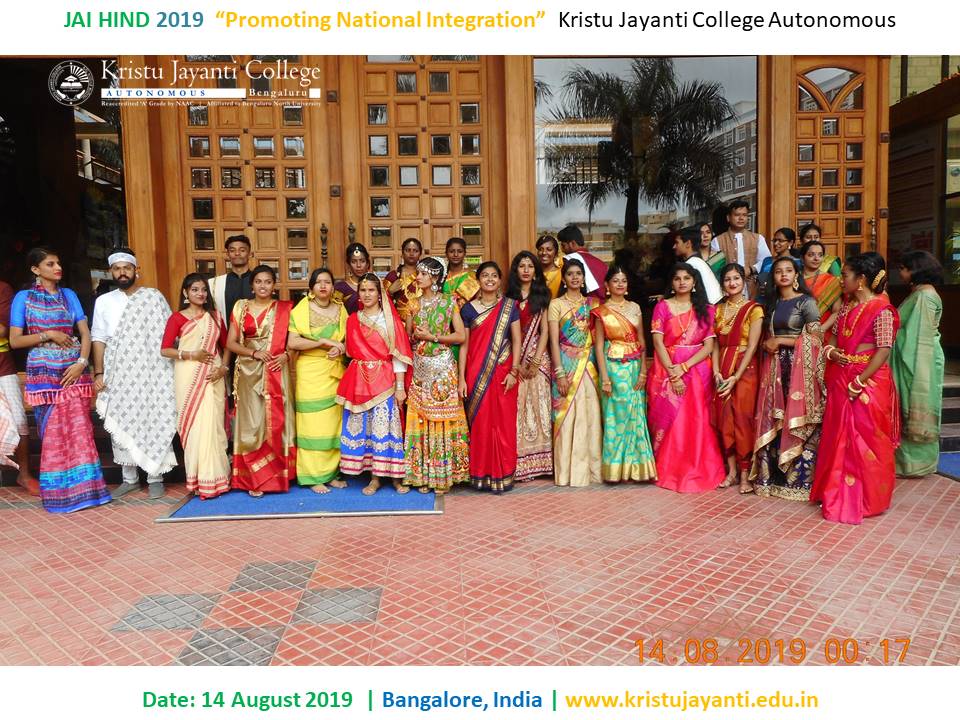
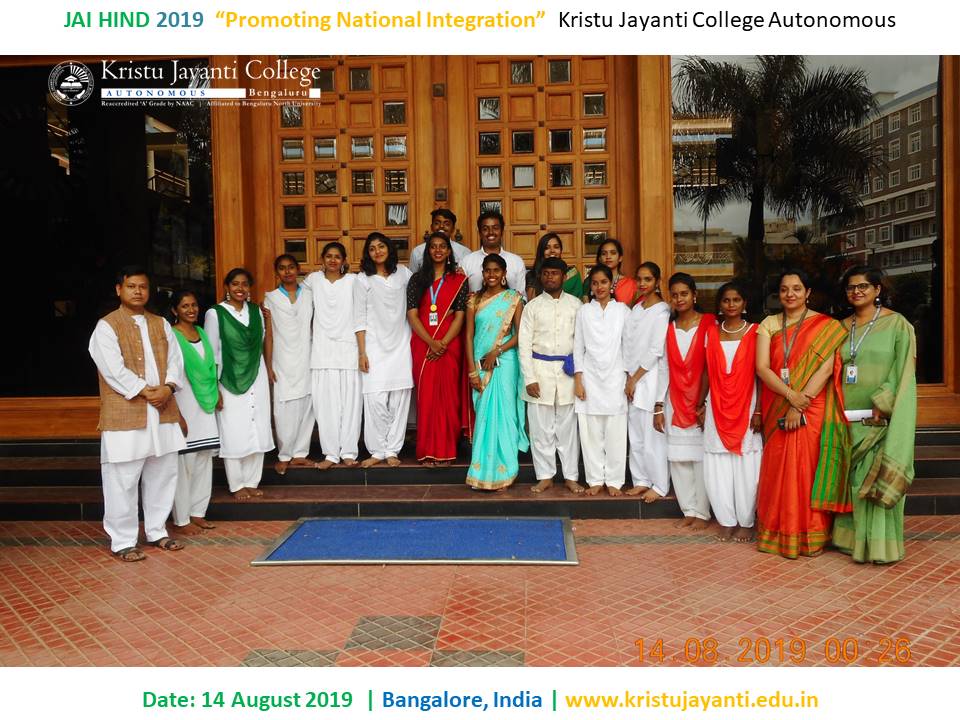
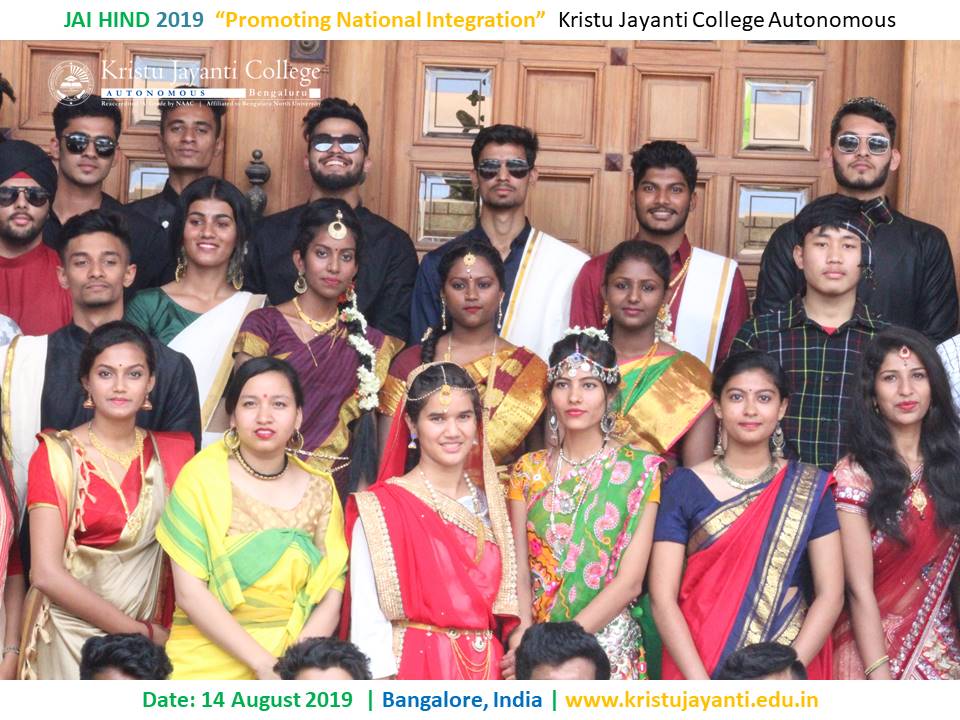
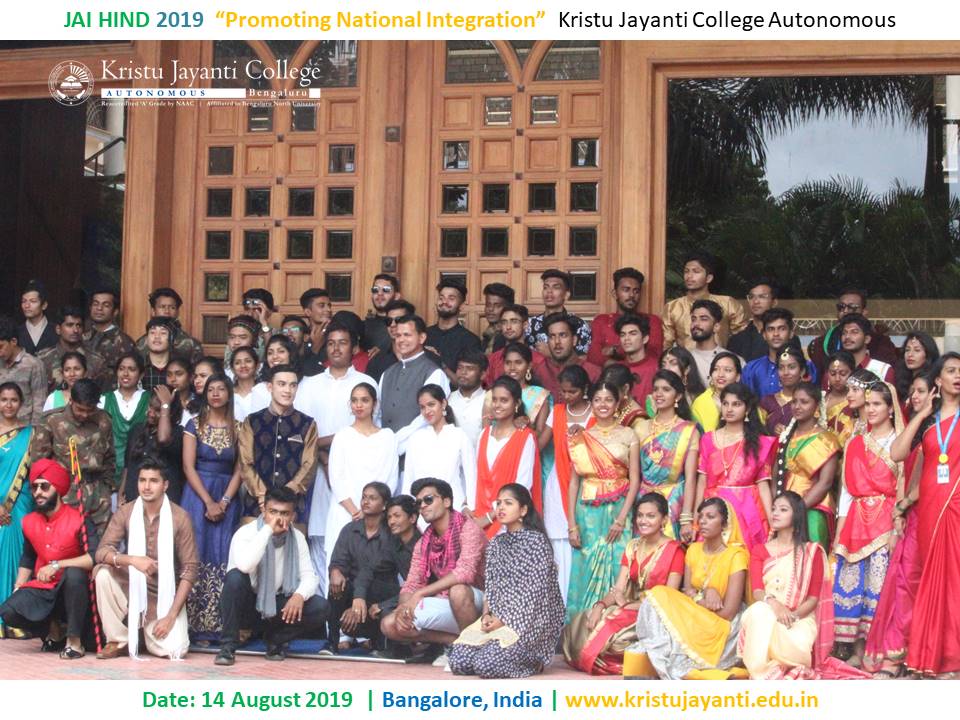
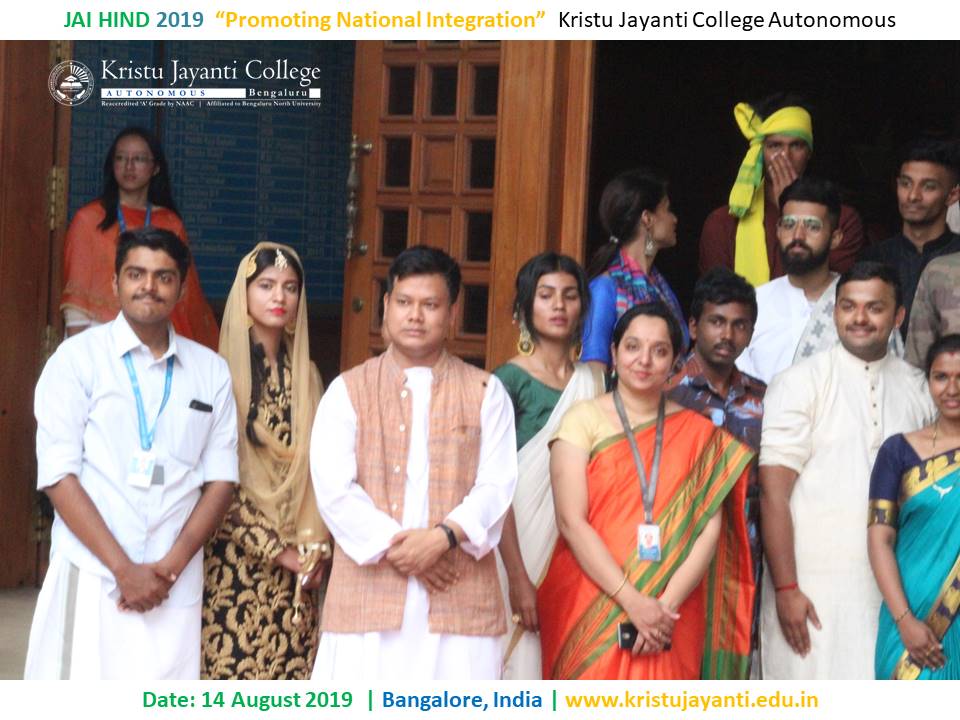
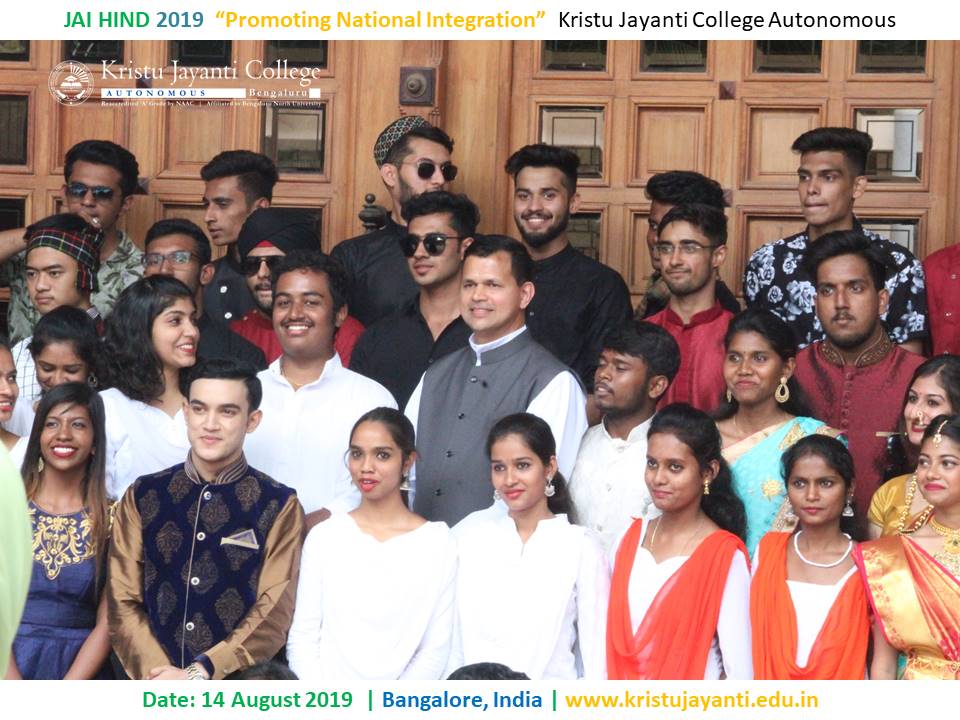
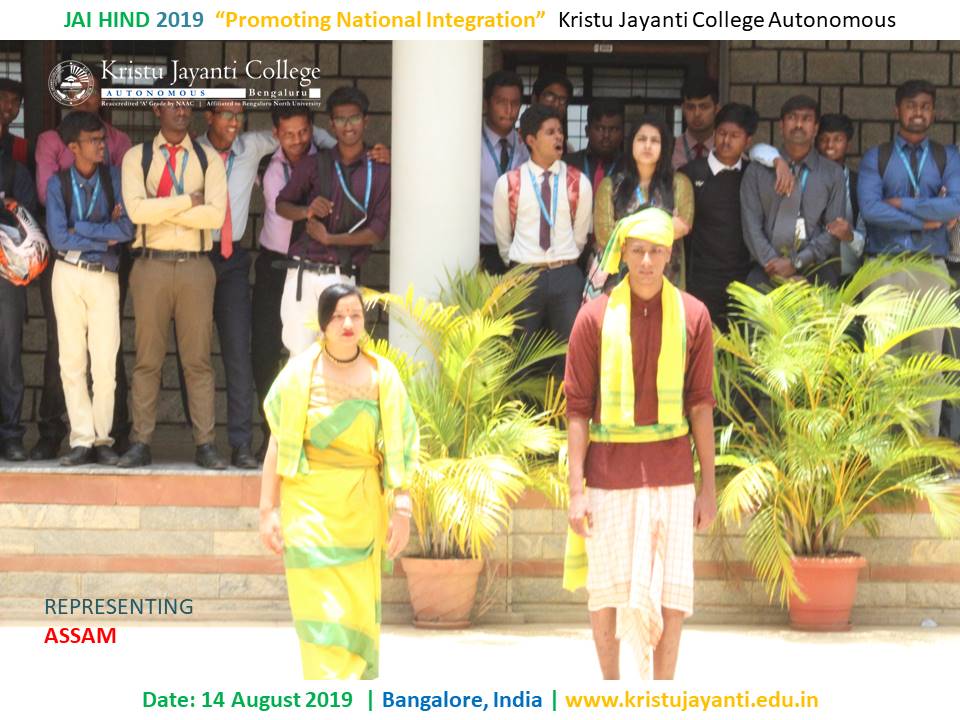
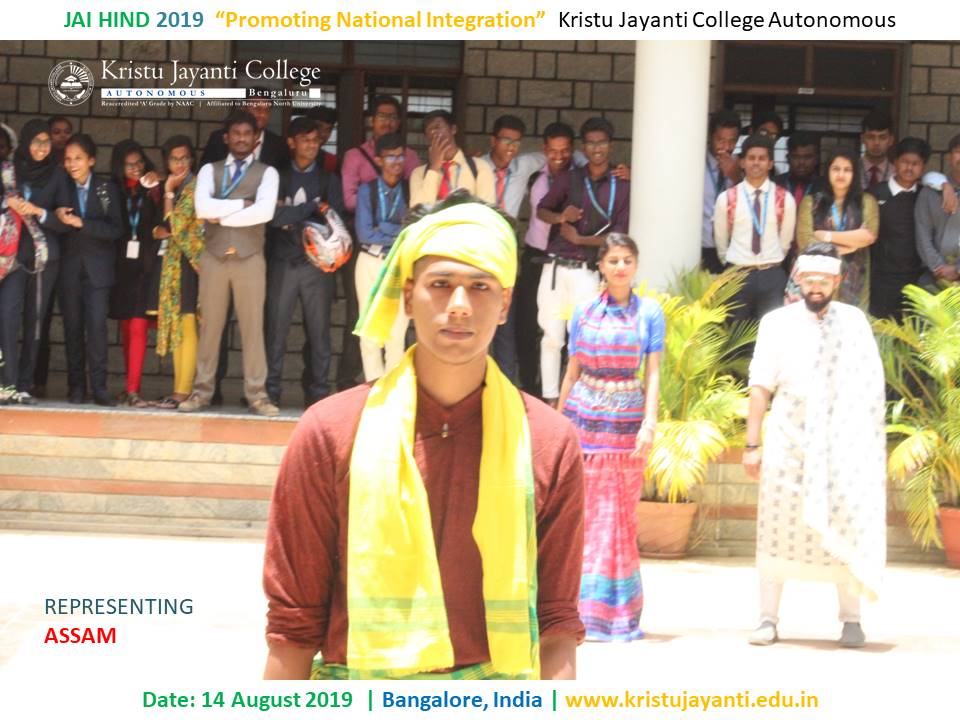
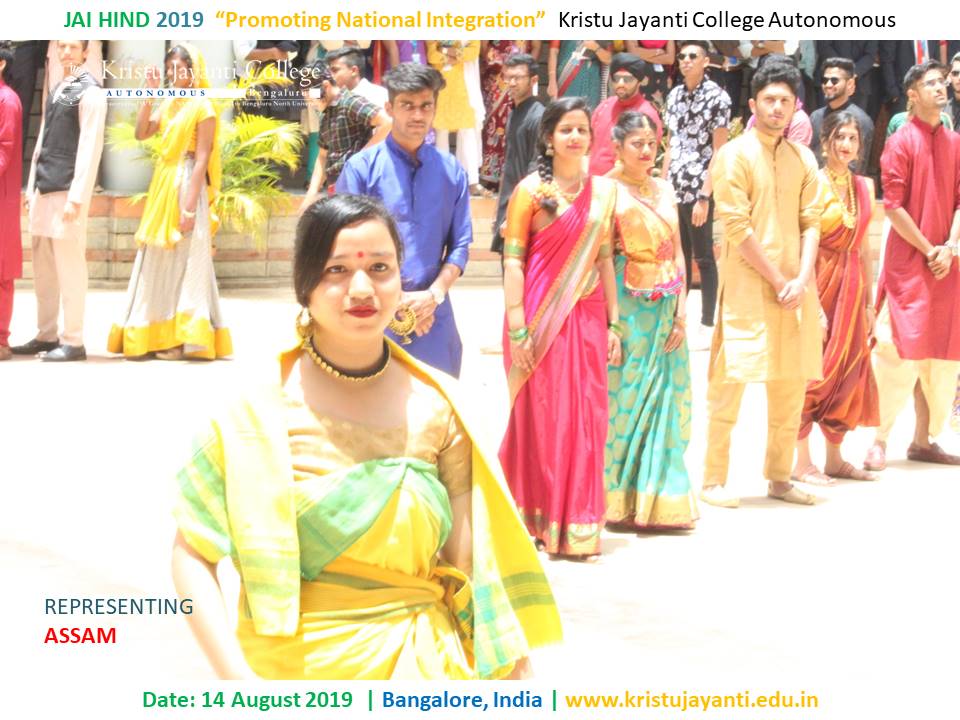
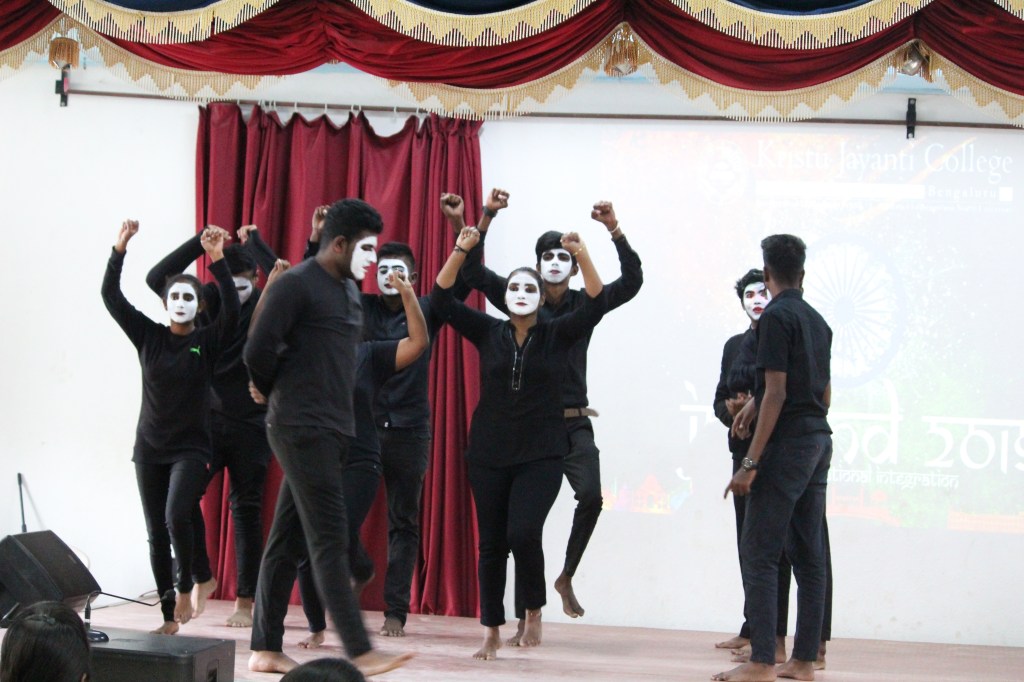
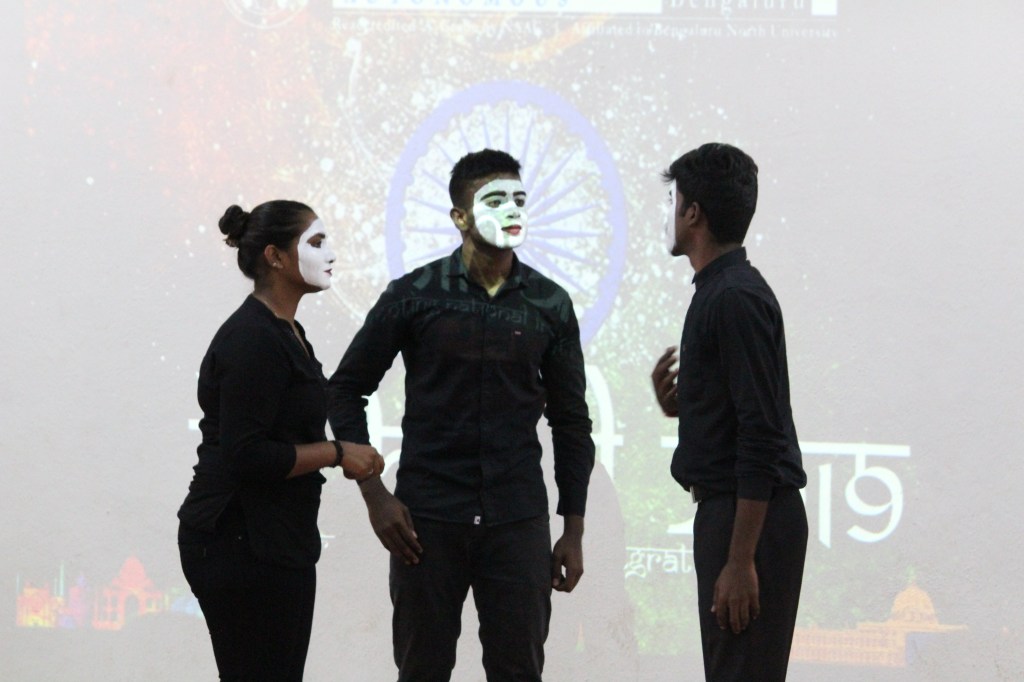
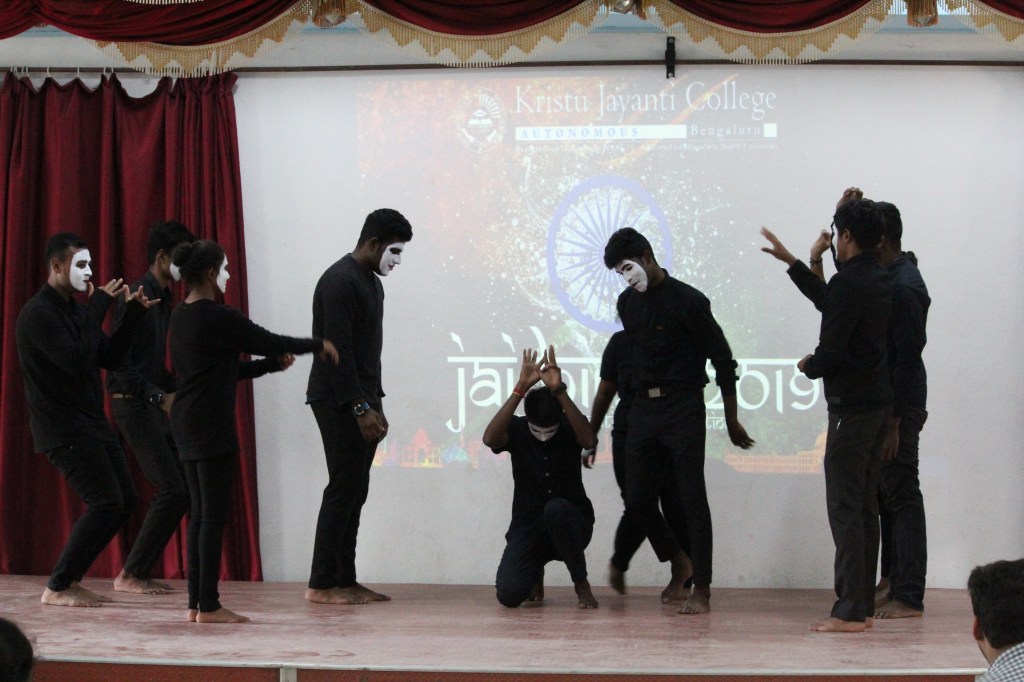
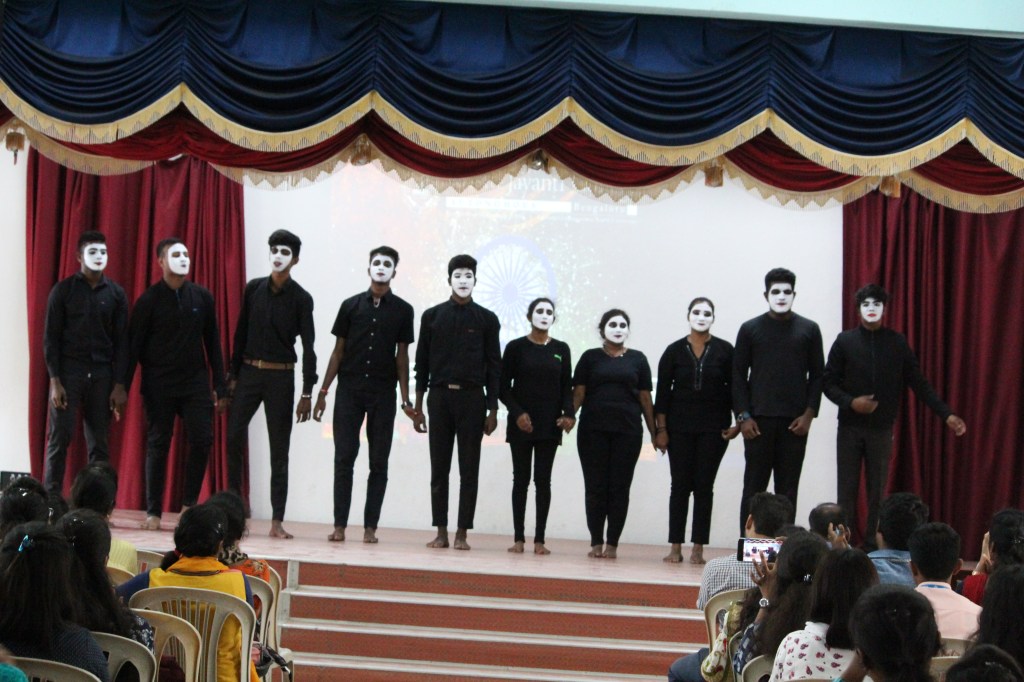
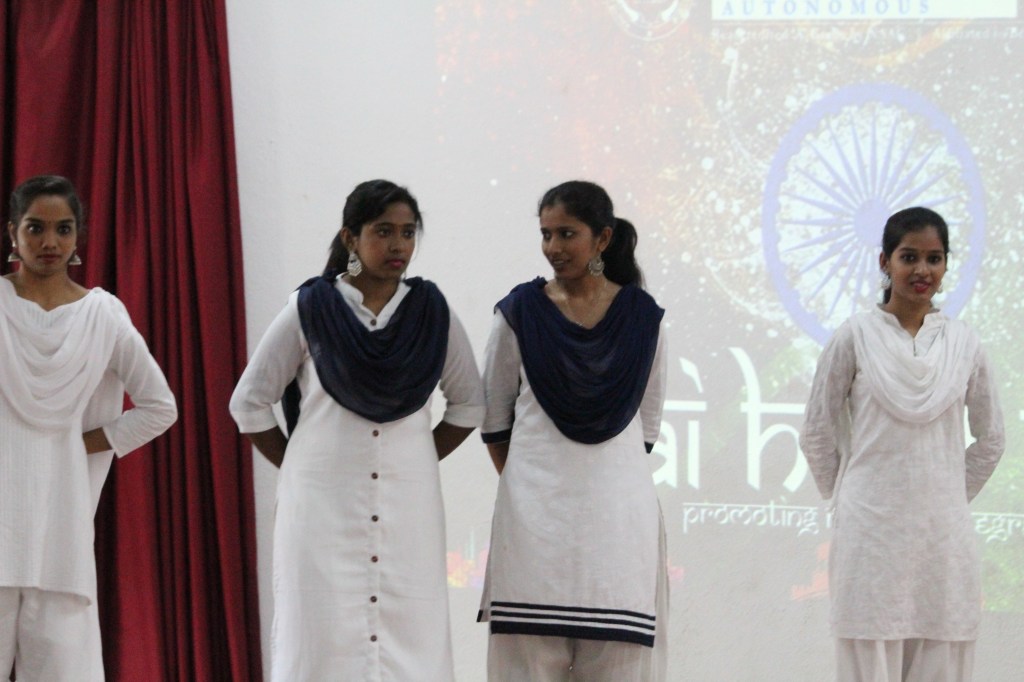
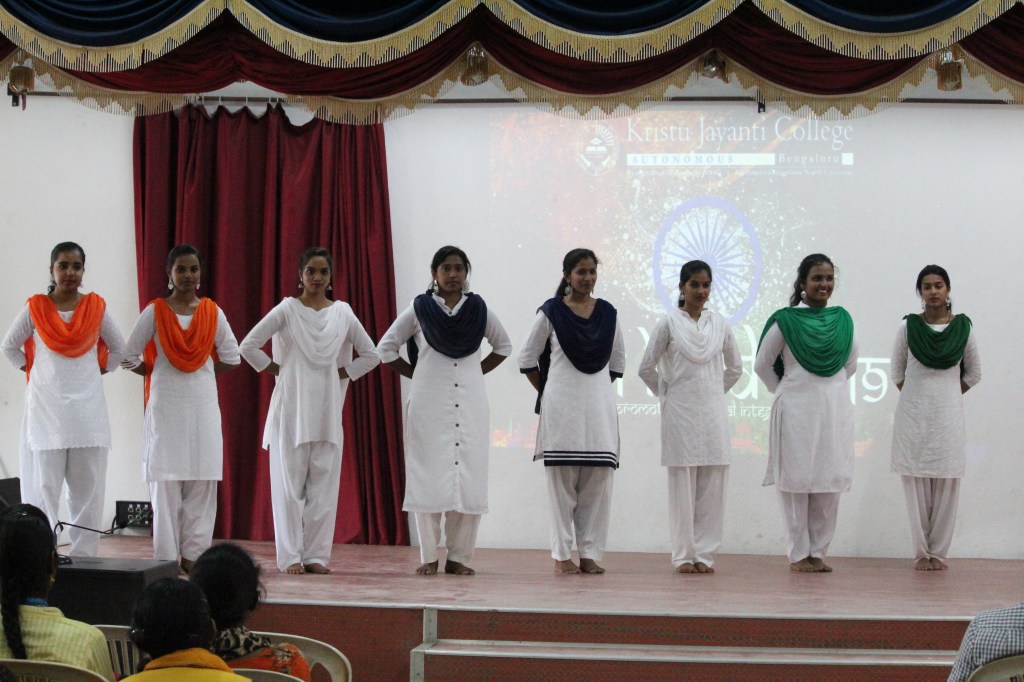
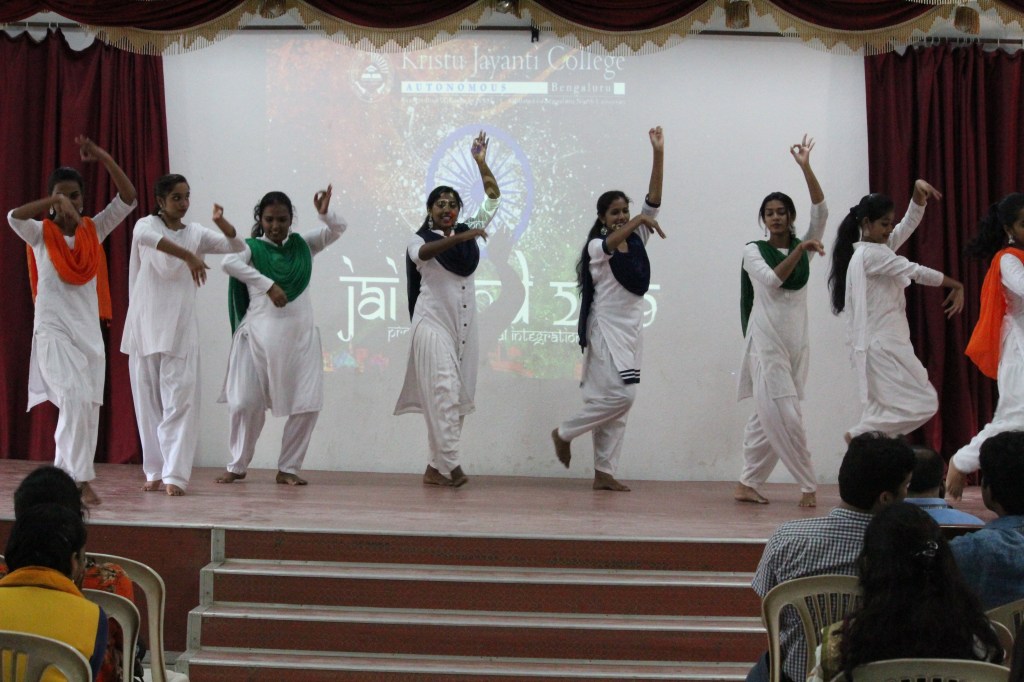
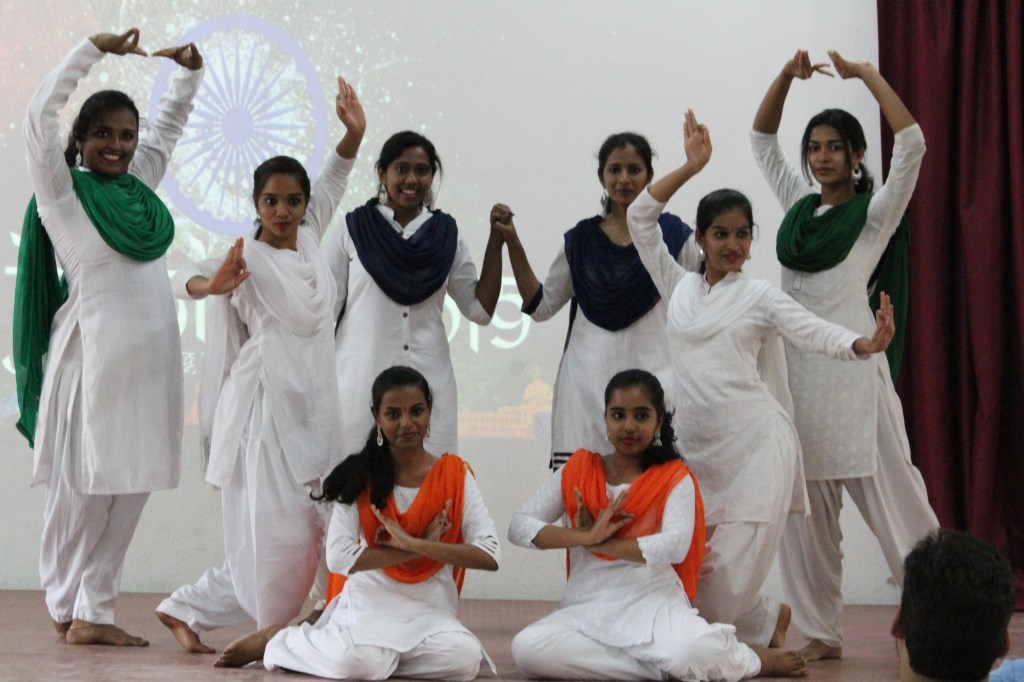
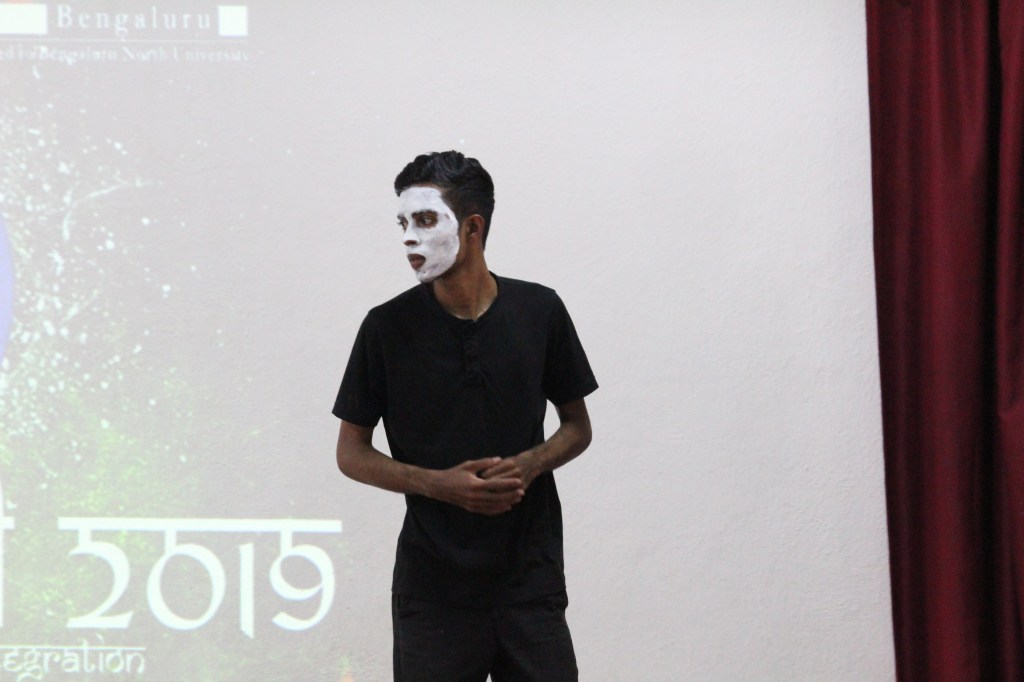
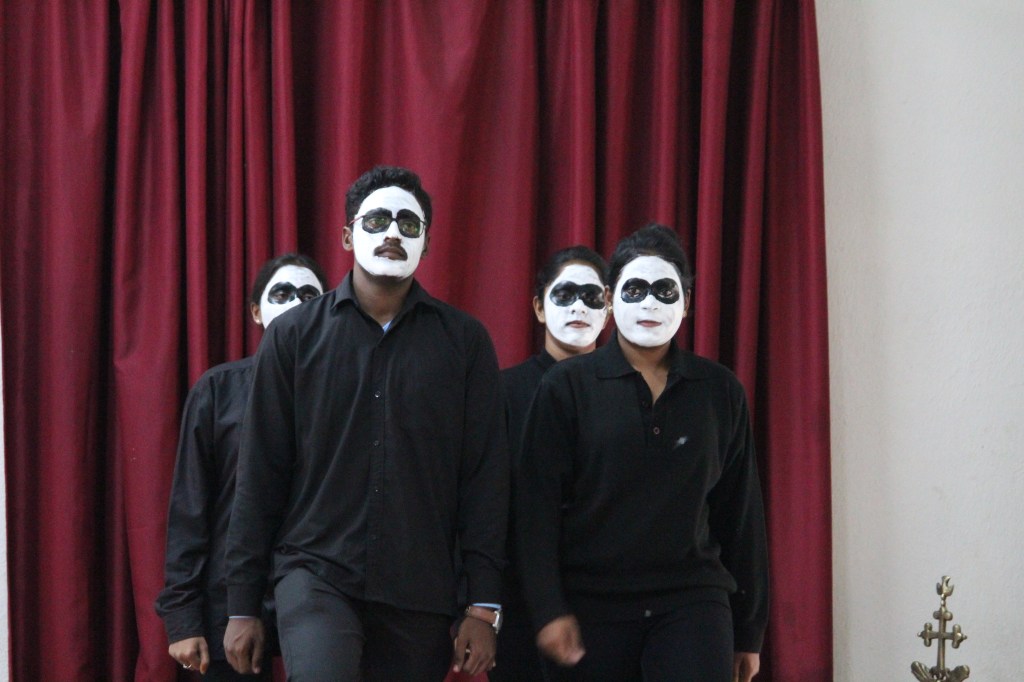
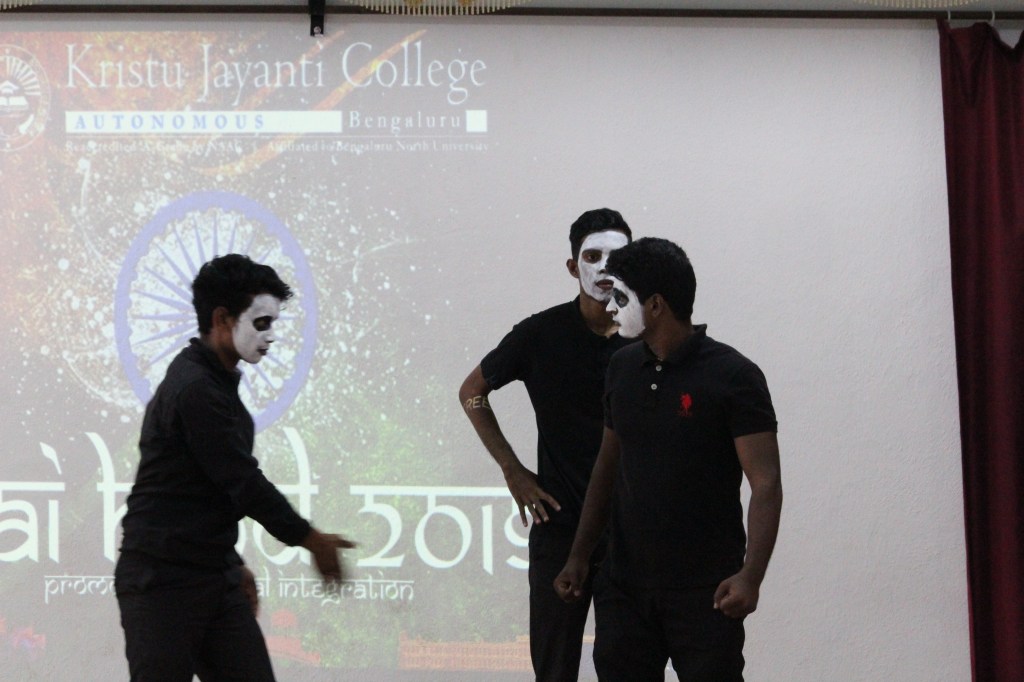
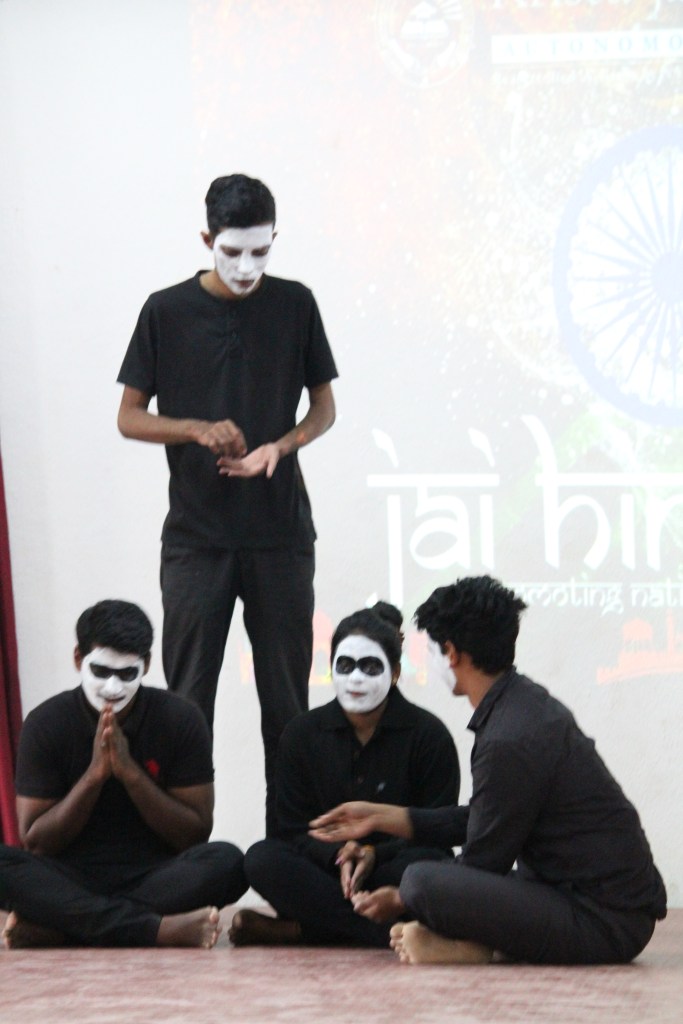
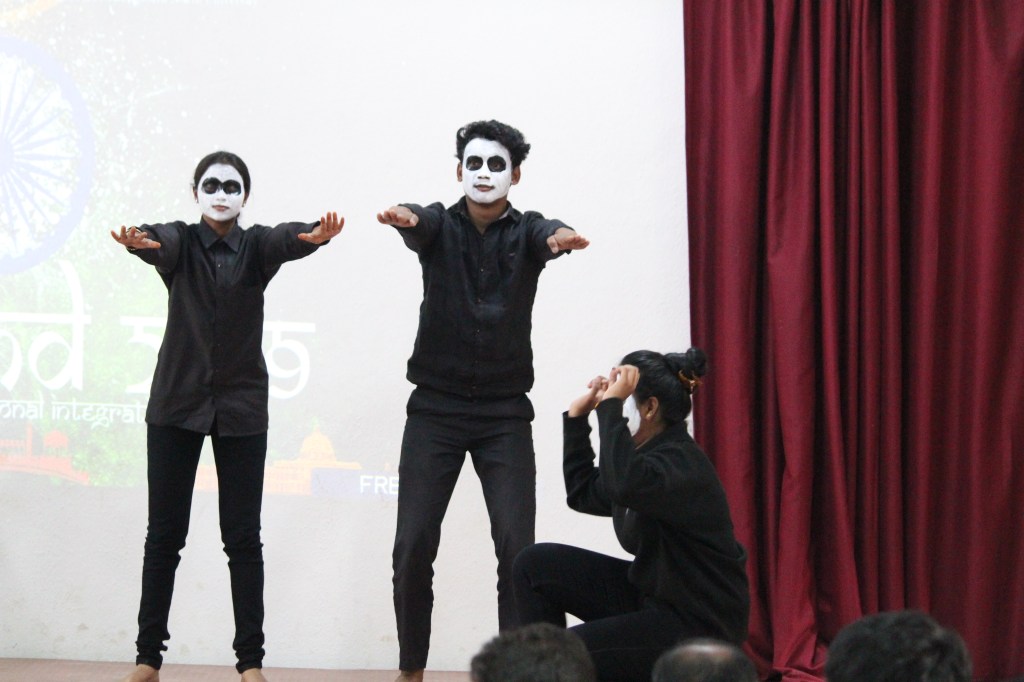
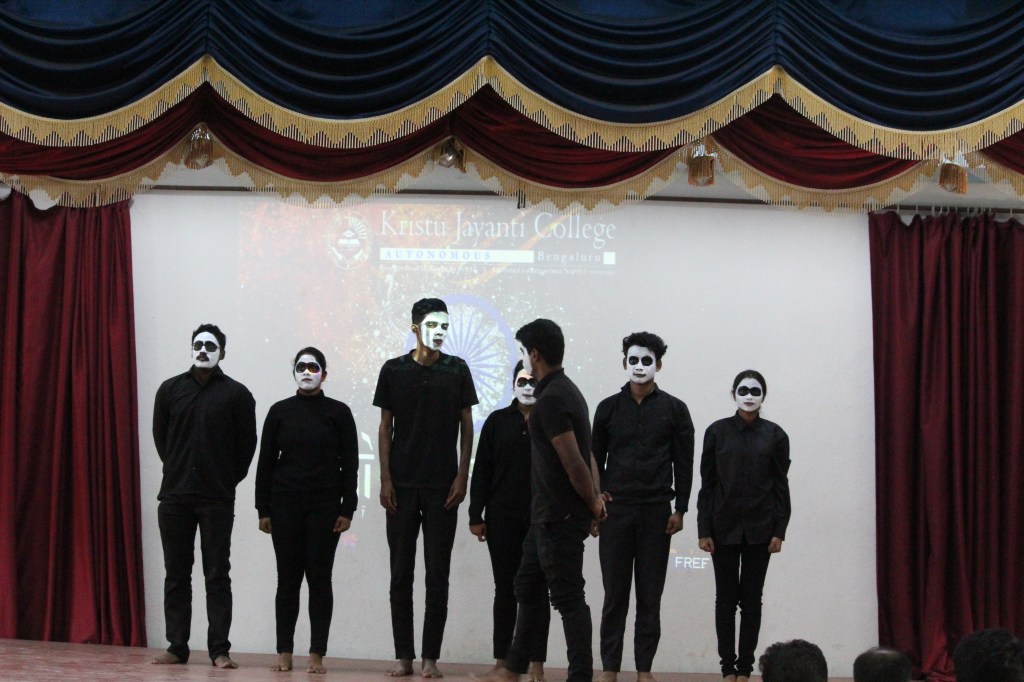
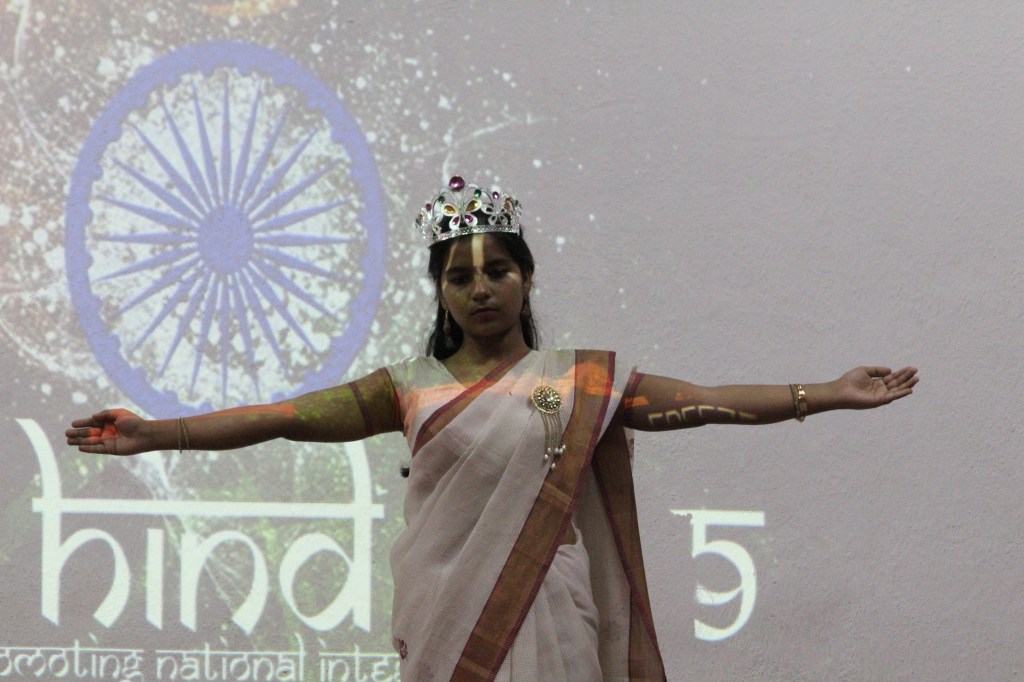
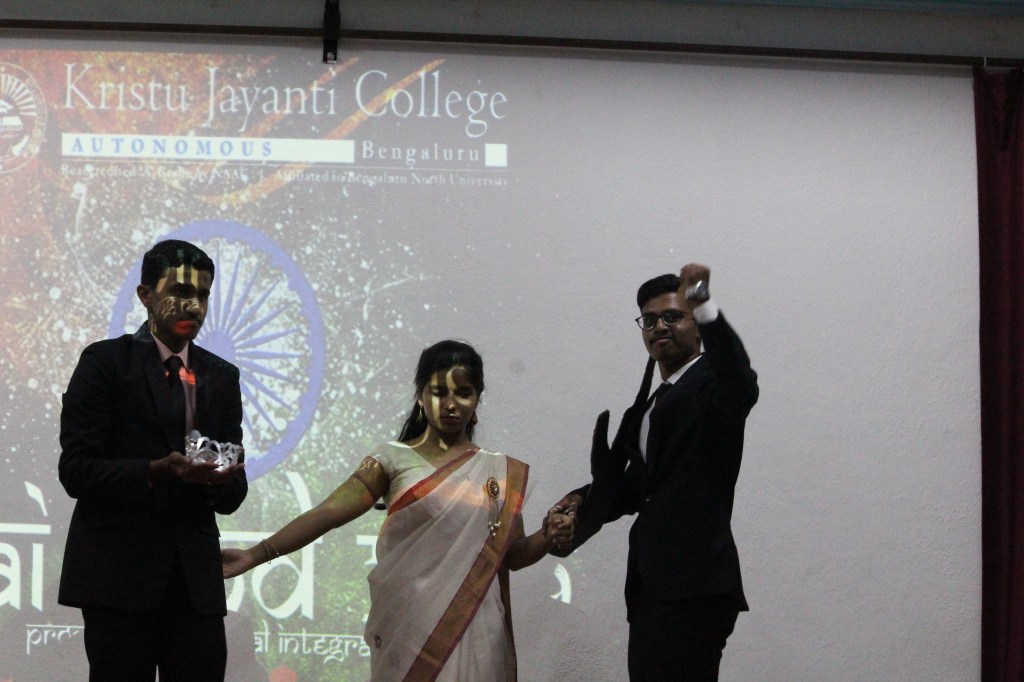
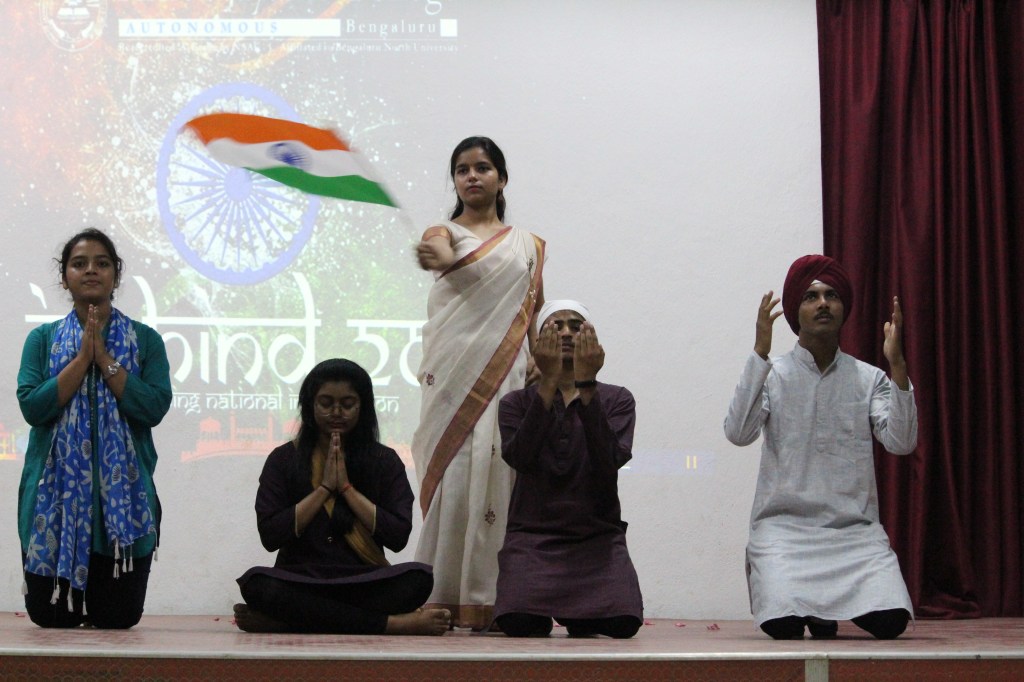
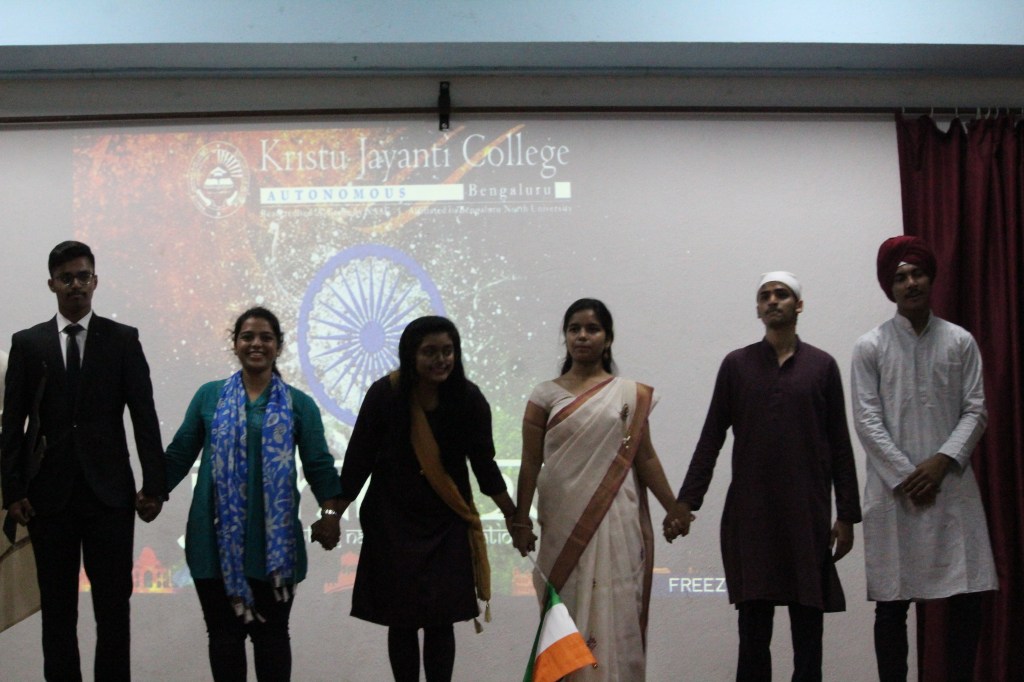
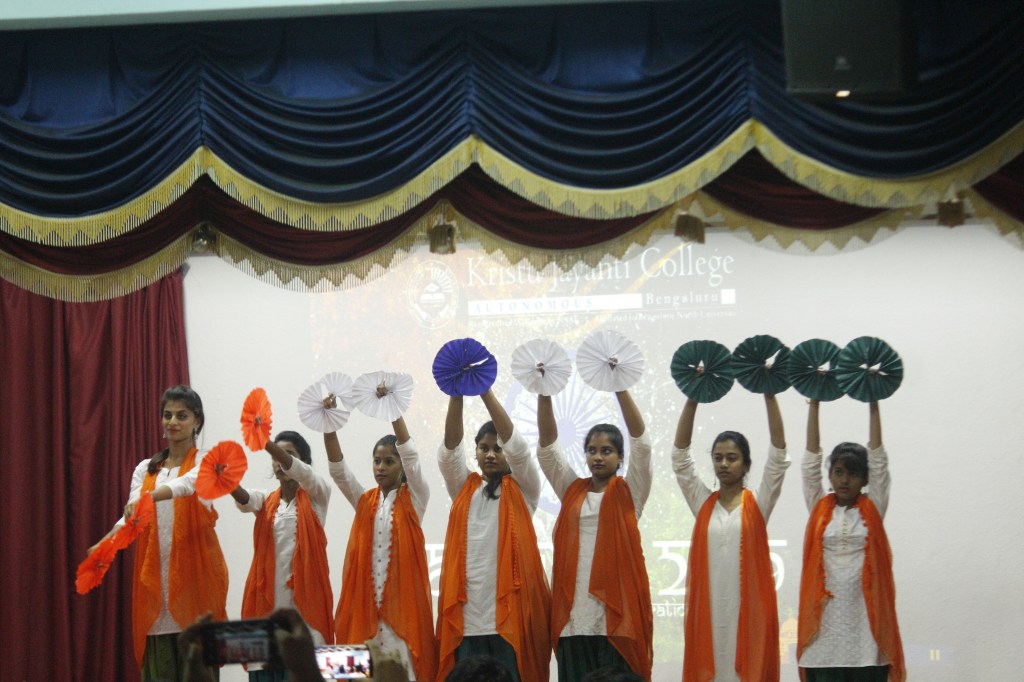
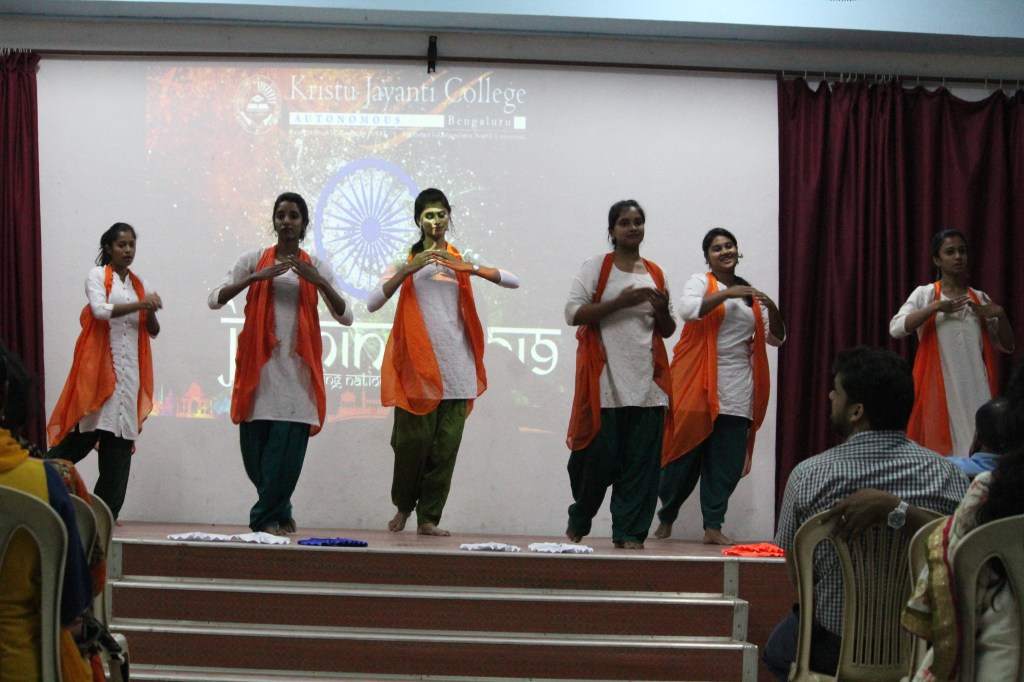
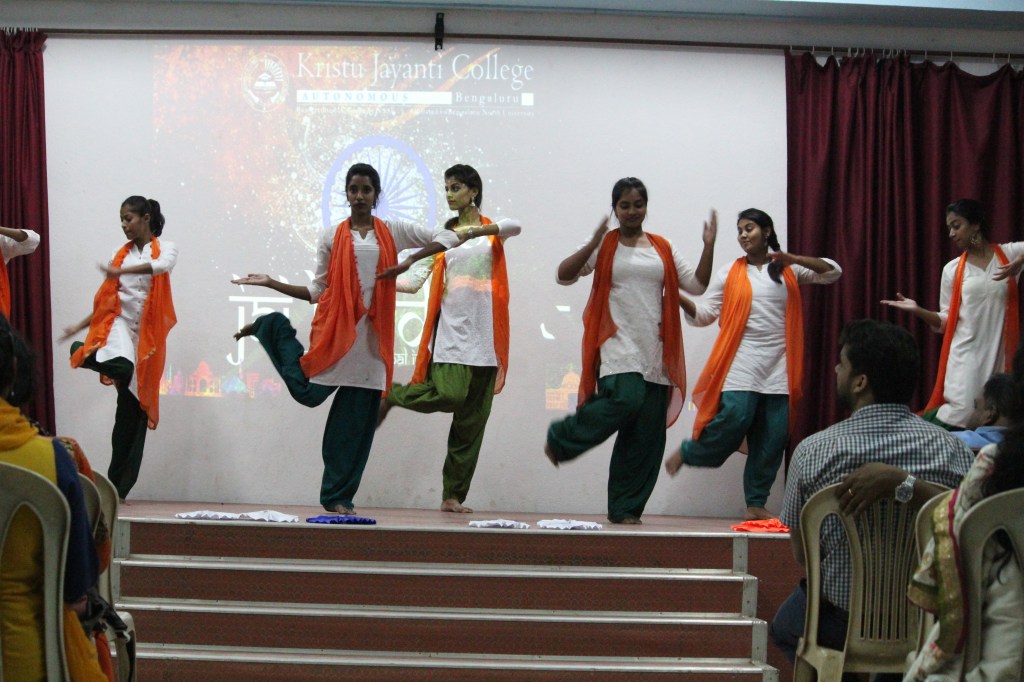
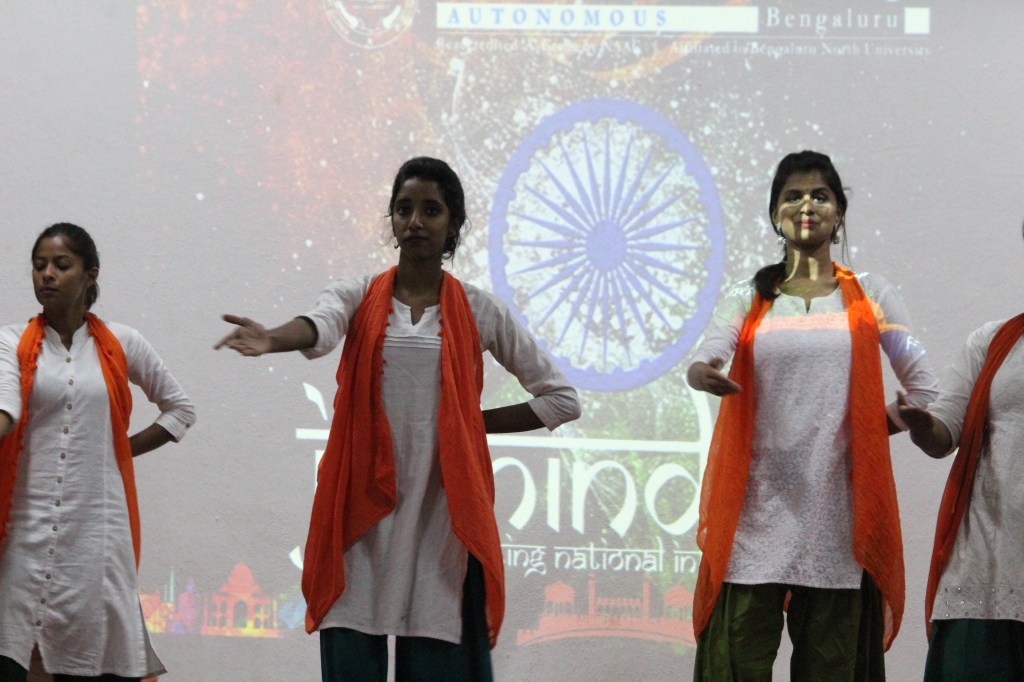
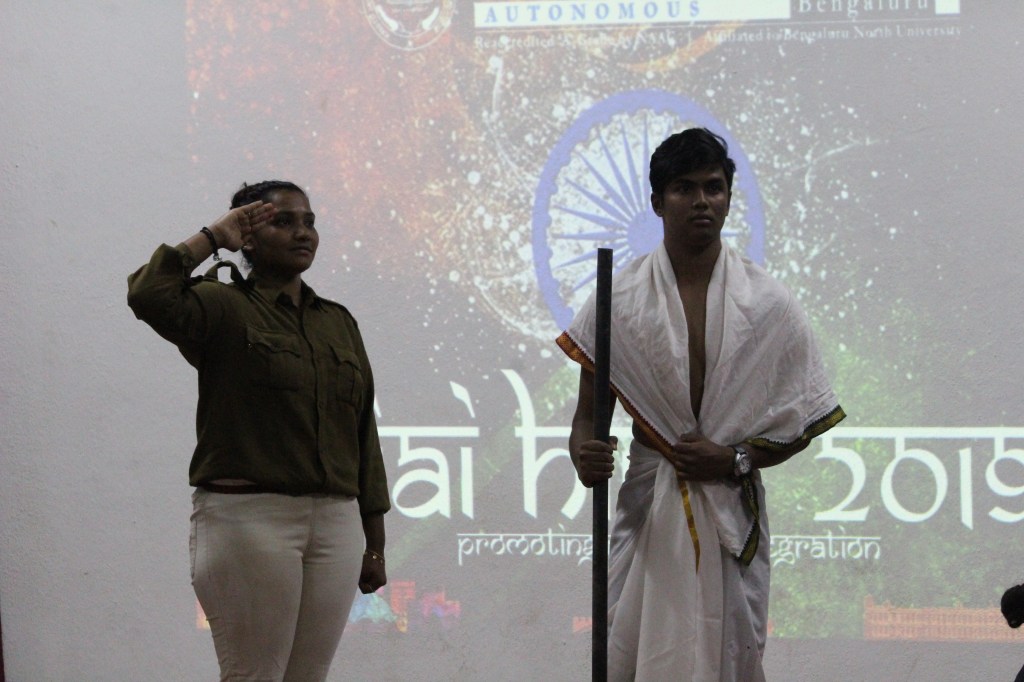
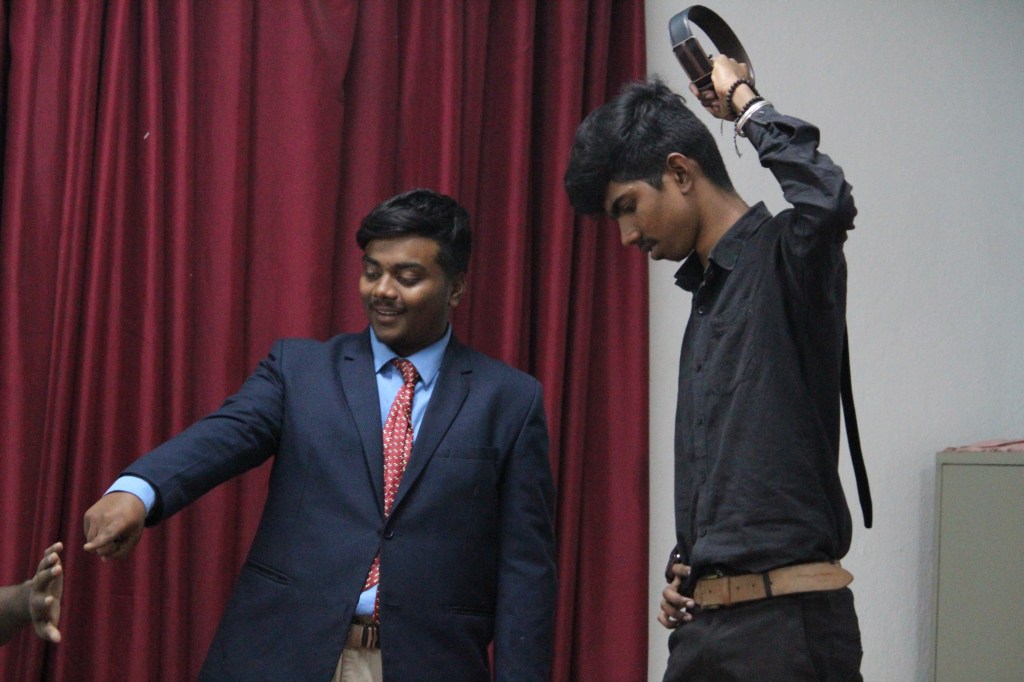
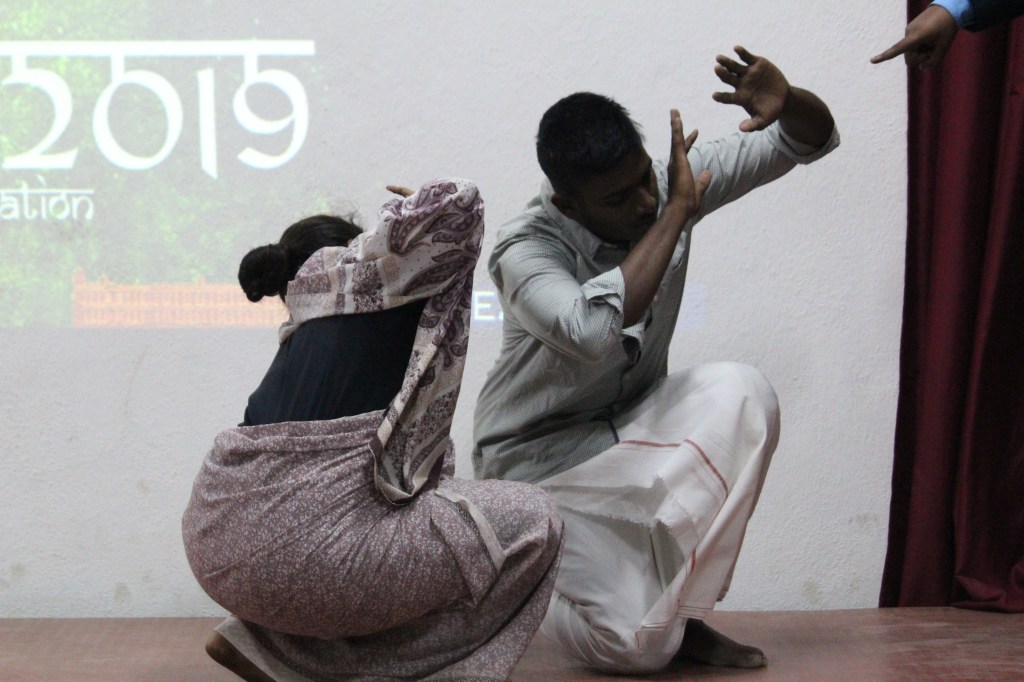
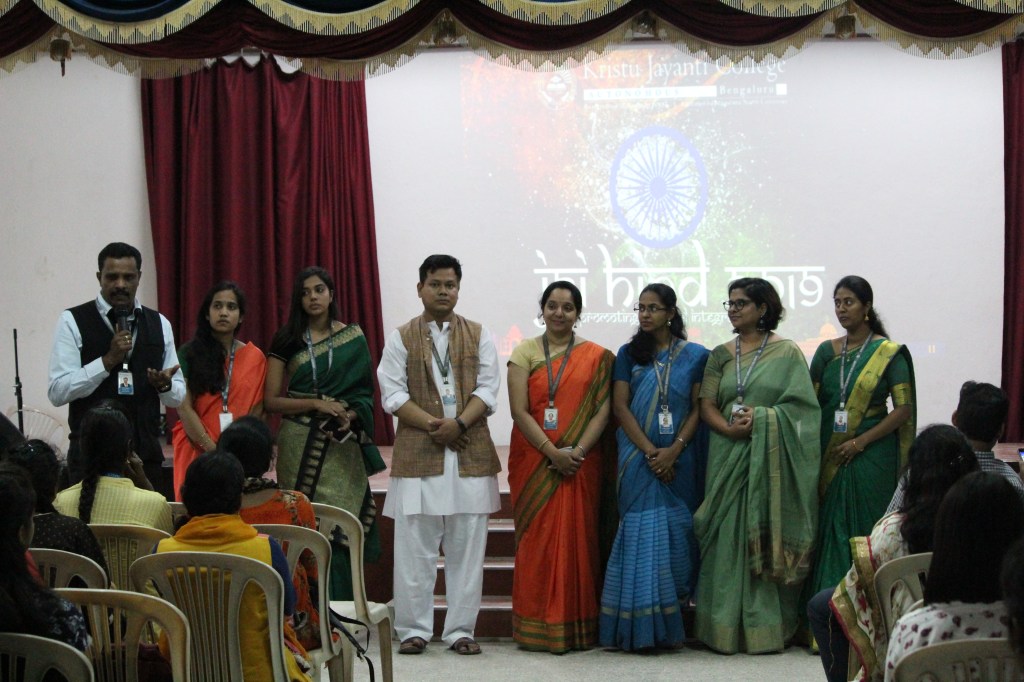
Department of Commerce, Kristu Jayanti College (Autonomous), had organized “Jai Hind 2019” on 14 August 2019, to inculcate the spirit of patriotism among the students. The programme was spread over a week comprising of various events like Quiz, Tableau, Poster Making, Group Dance, Group Song, Skit & Mime, Deshbhakti Bhaashan which had commenced from 5th August 2019.
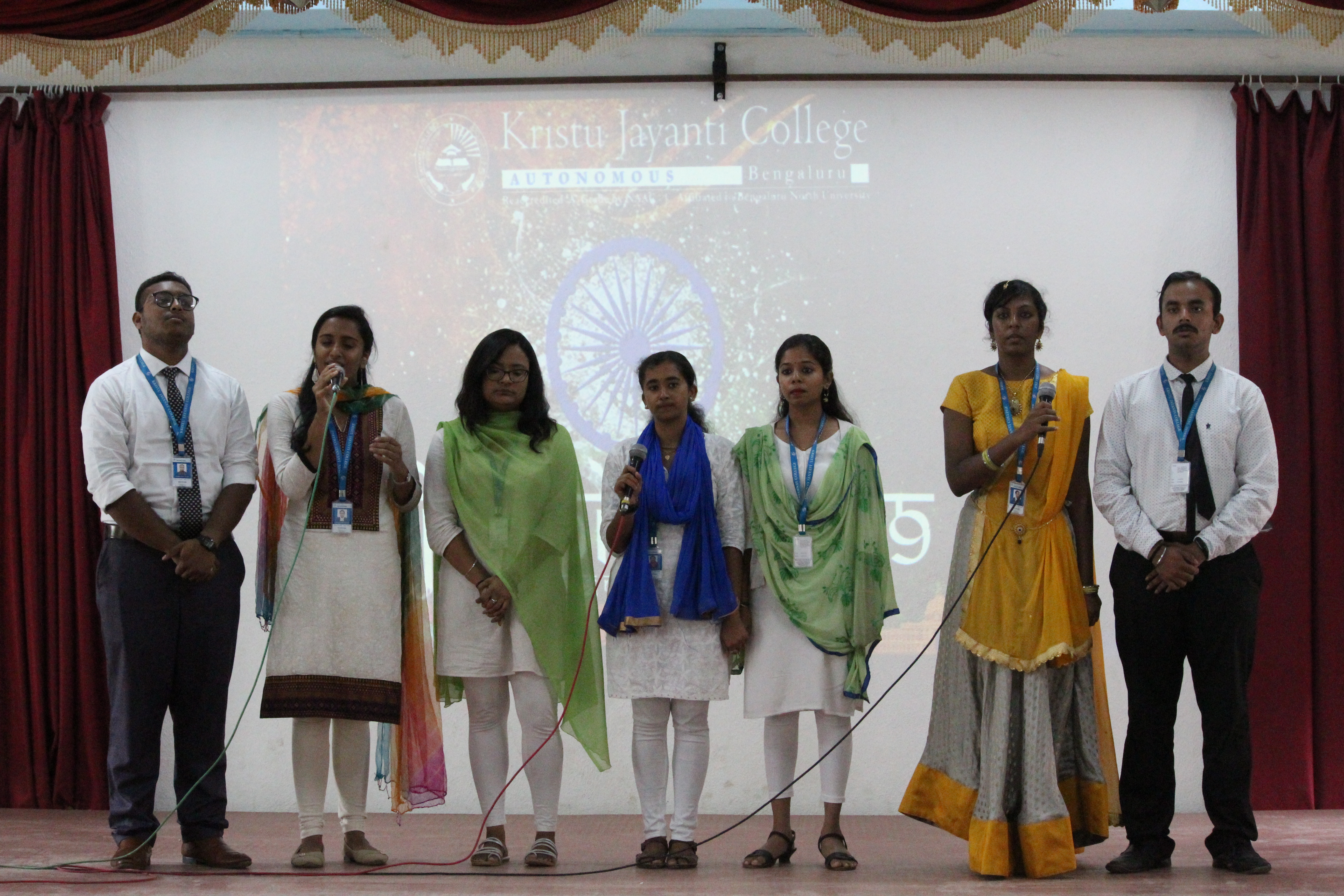
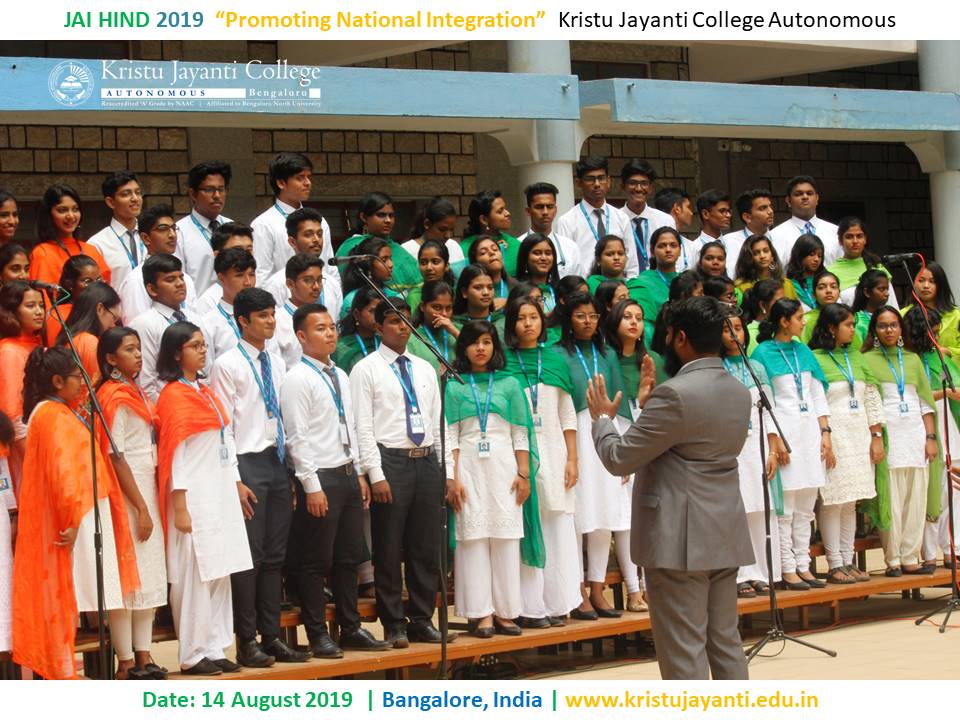
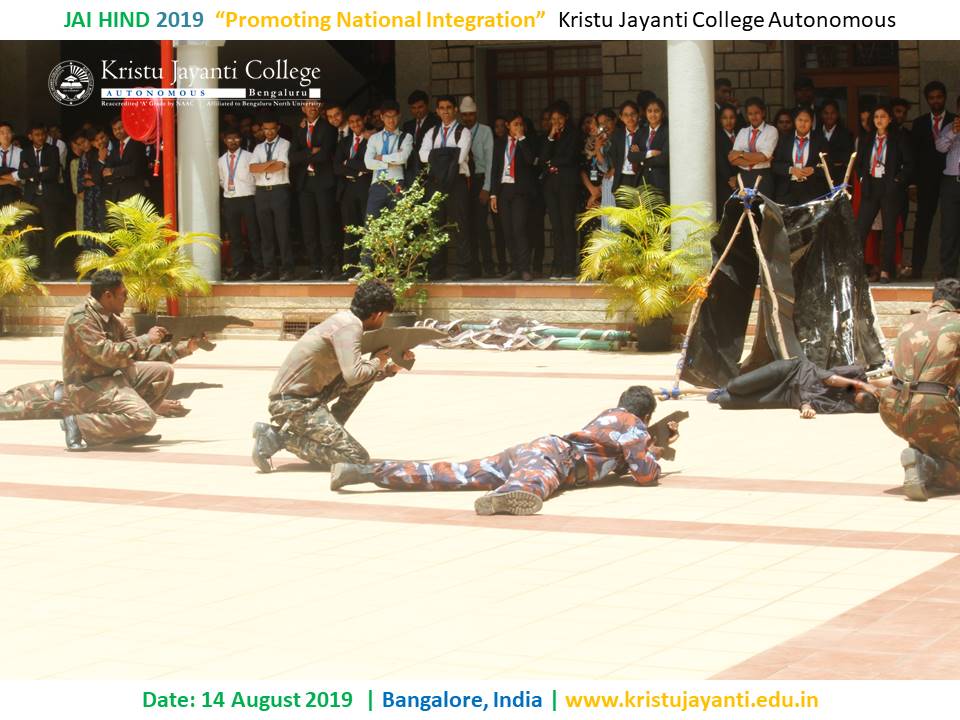
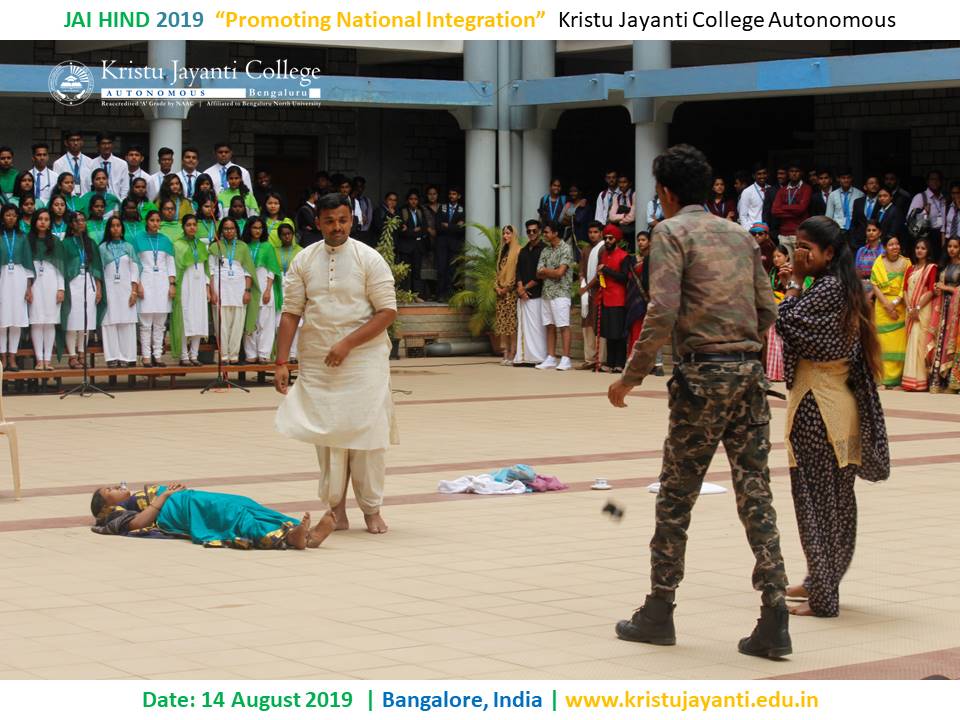
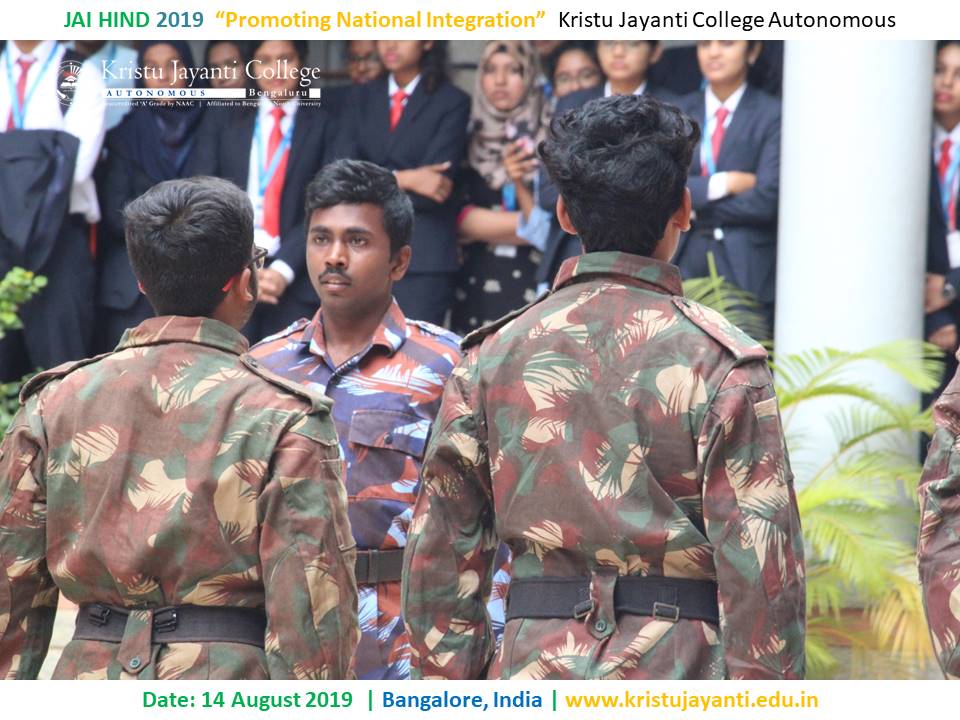
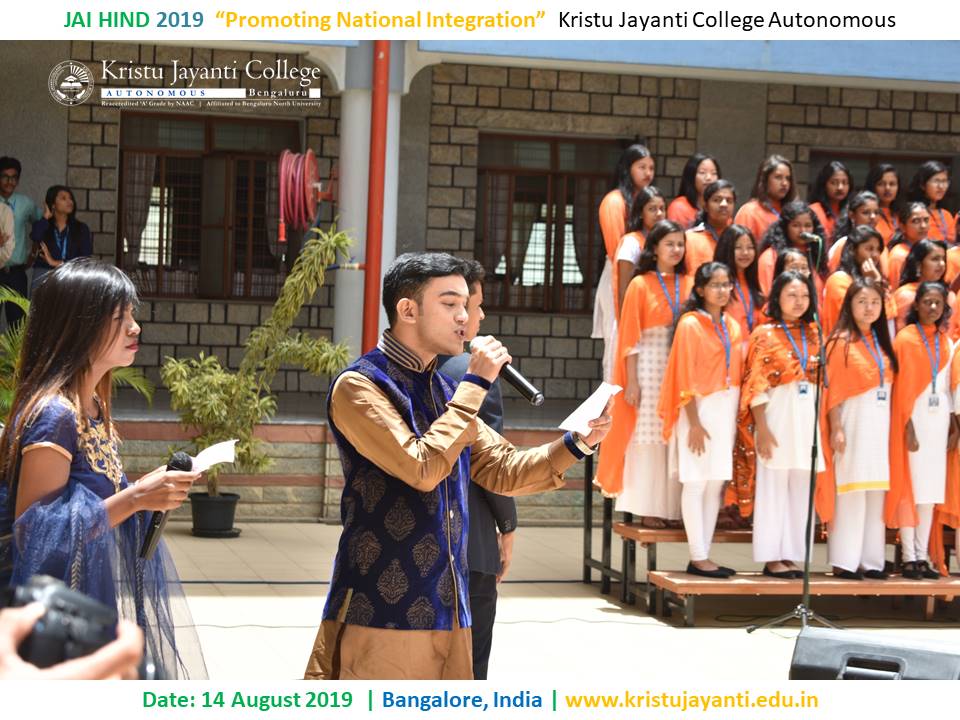
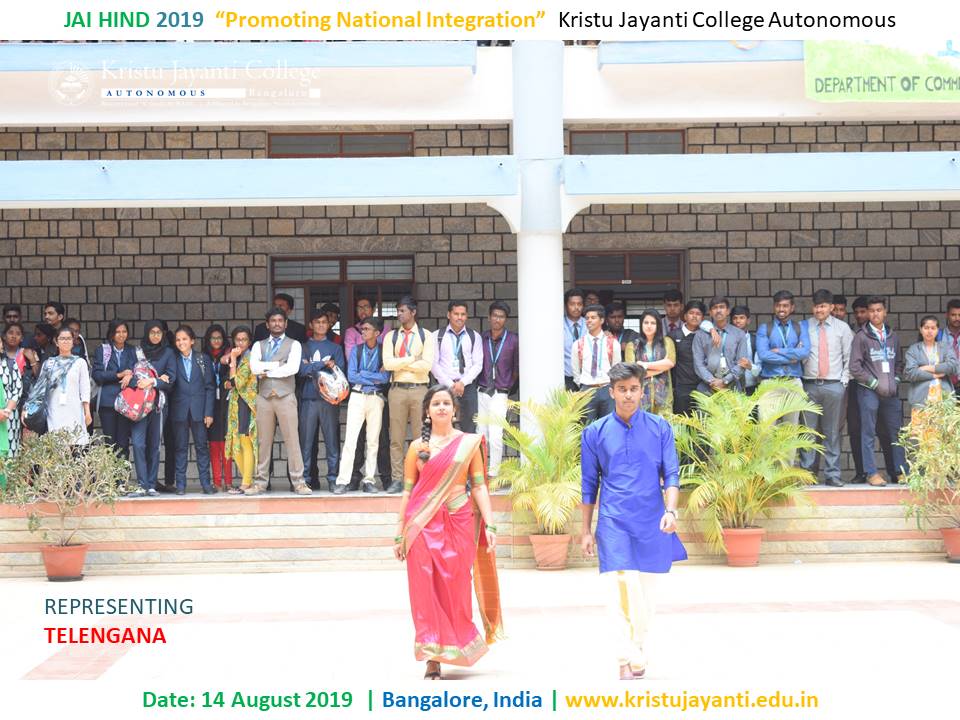
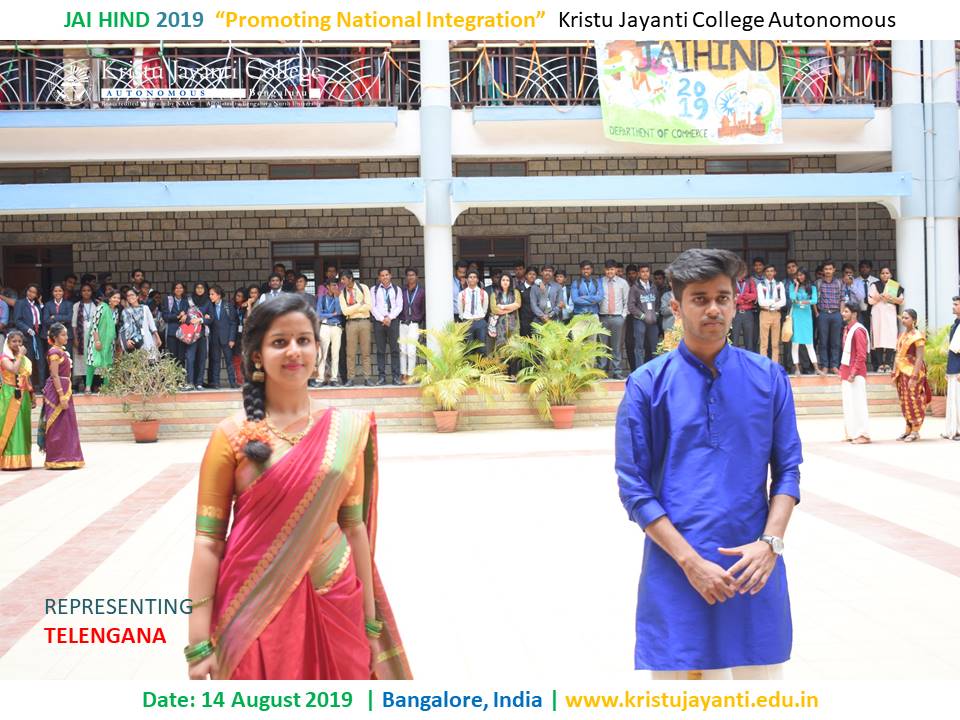
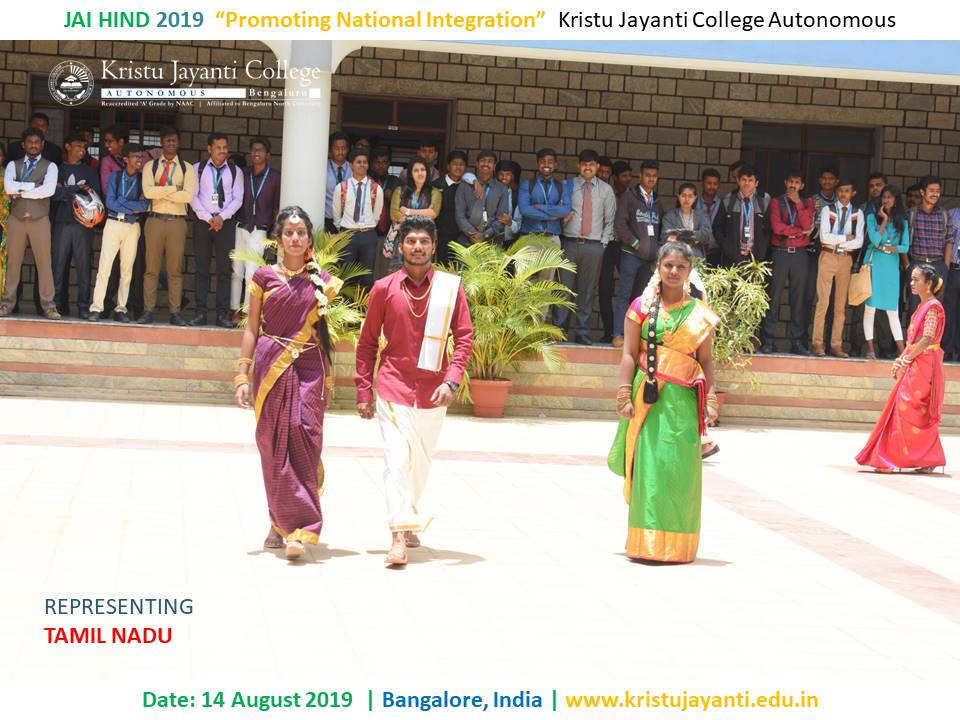
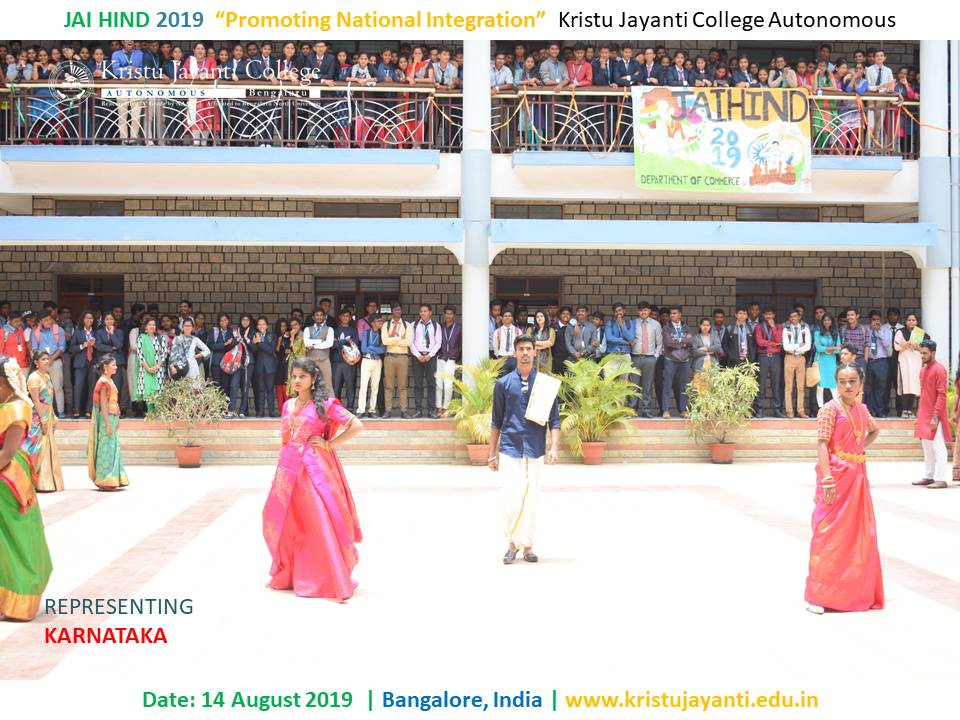
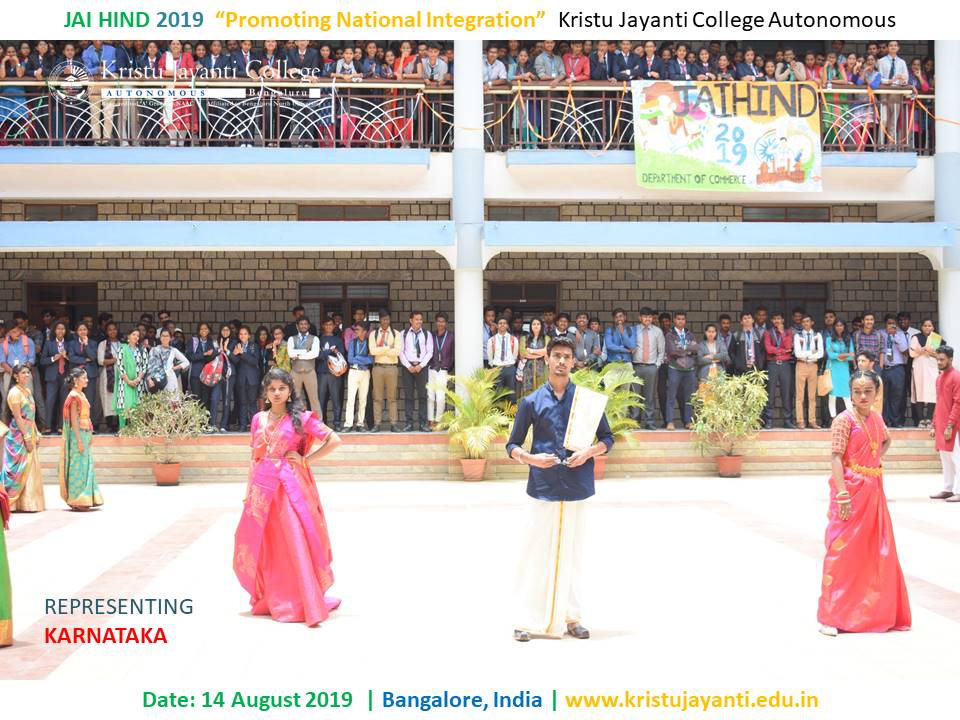
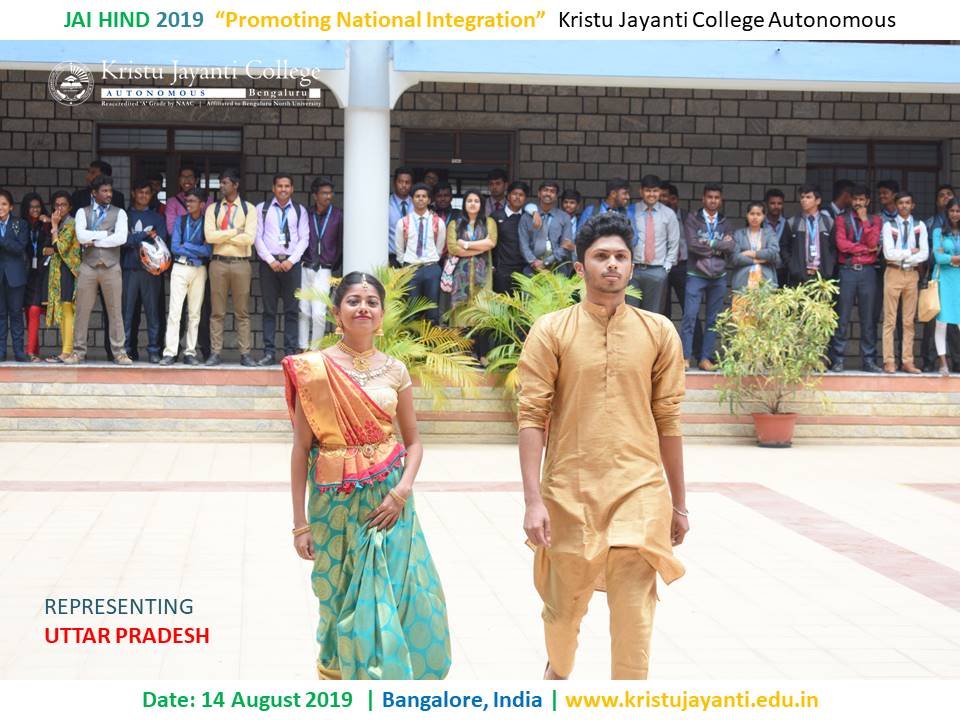
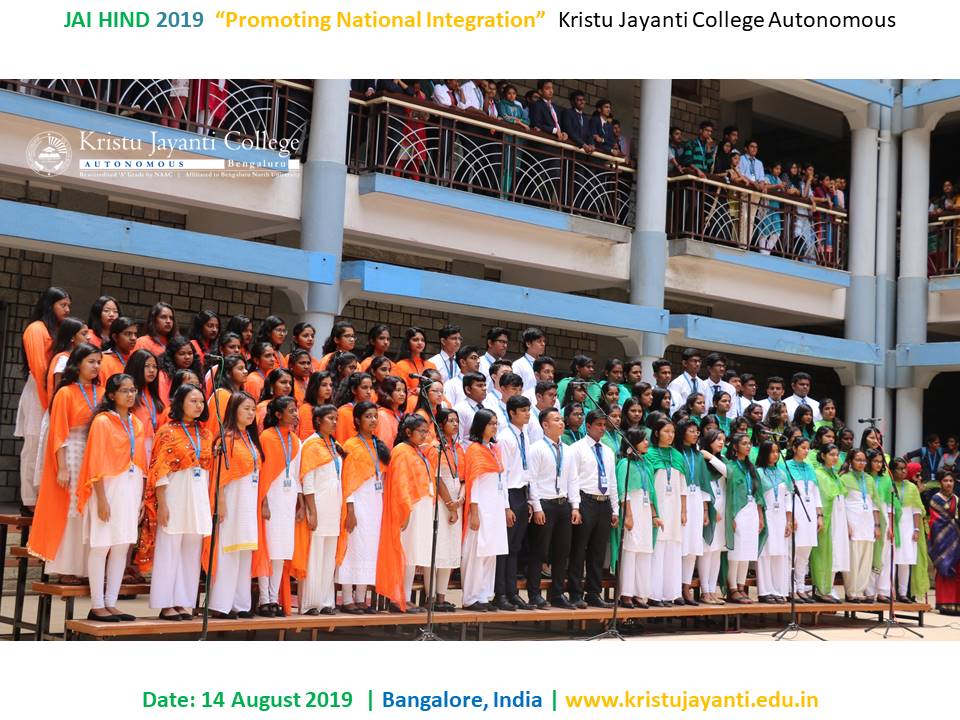
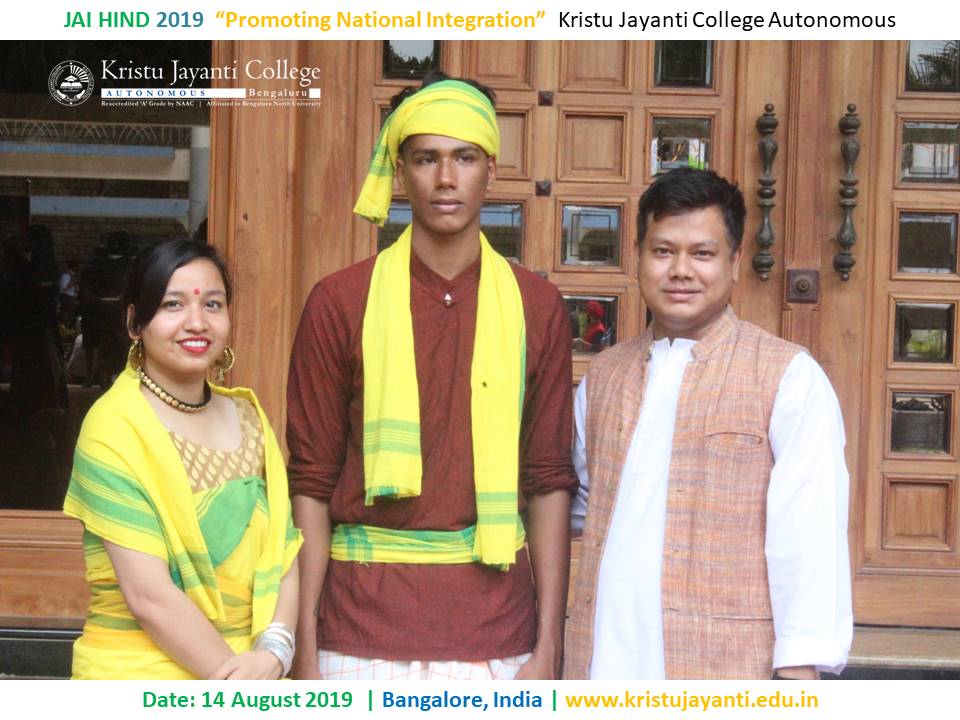
This year the Jai Hind Programme had emphasized on the theme “Promoting National Integration”. Exclusive Patriotic and Cultural exposition was showcased by students by displaying various ethnic attires of different states and union territories, dance performances, patriotic skit dedicated to Indian Army and followed by Indian National Anthem sung by the college choir team. Various sub-themes such as ‘Independence’, ‘Incredible India’, and ‘Communal Harmony’ were selected for the events.
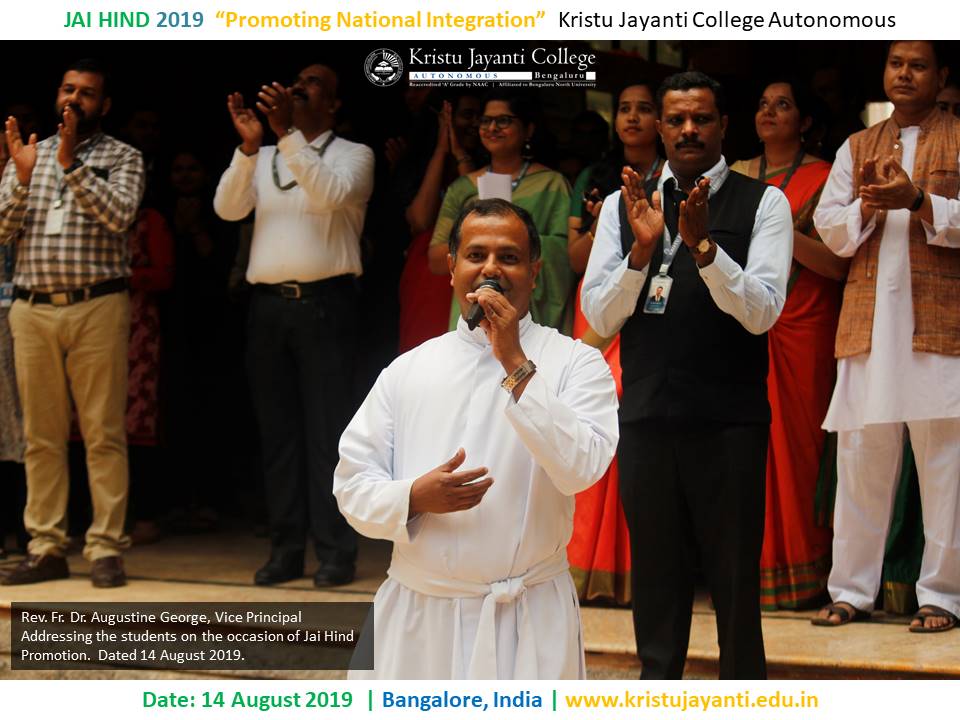
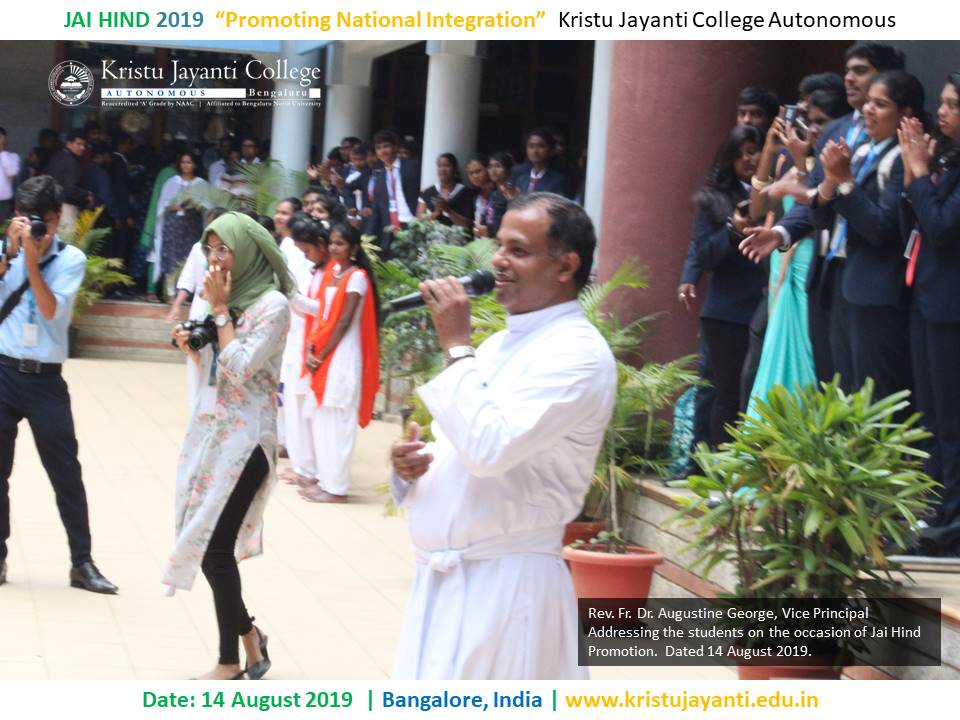
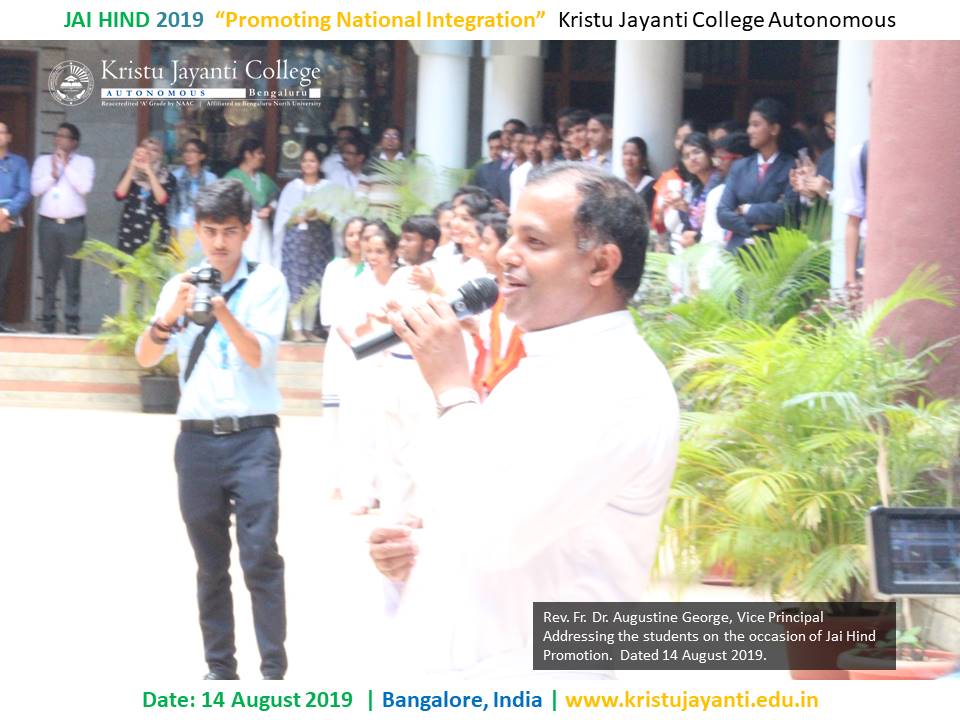
‘Jai Hind’ was a celebration of Unity, National Integration, Freedom of speech, Individual Rights and Celebration of Diversity of our country. It is a tribute to the great martyrs and all the leaders who made our country a blessed nation,” said by the Vice Principal Rev. Fr. Dr. Augustine George.
“This event aimed to bring out national integration, patriotism, love, and unity. Though we may come from different communities, society or cultures, we celebrate as united India,” opined Vijaykumar R, Head, Department of Commerce.
The event tried to enhance the spirit of patriotism among the students and to remind them the value of the freedom that we relish because of the courage, sacrifices, and dedication laid down by our ancestors and leaders of the country. “Jai Hind is the exposition of the unique diversity and heritage of our nation that invokes patriotic sentiments in the hearts of the people”.
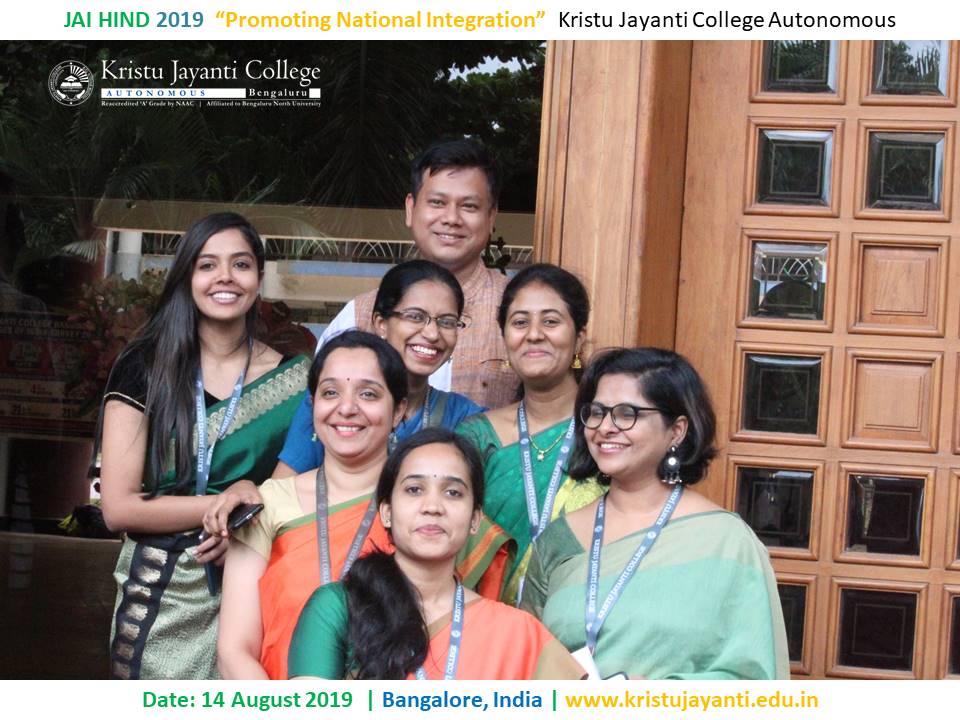
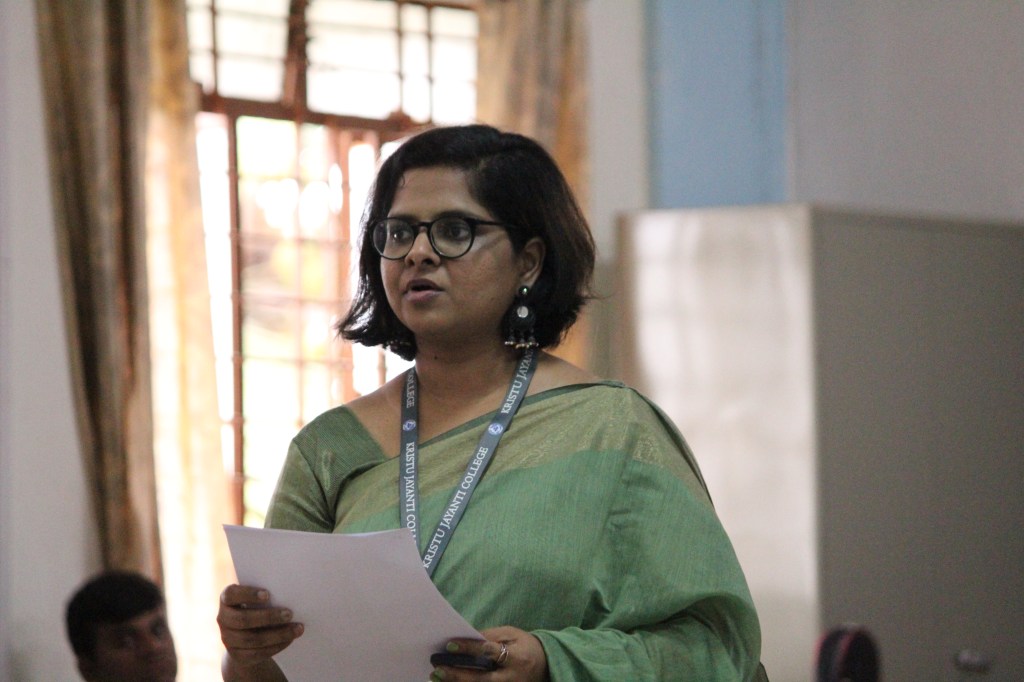
The event was coordinated and led by a team of faculty members from the commerce department, comprising of Prof Surjit Singha, Prof. Geetanjali Diwani, Dr. Reenu Mohan, Prof. Manjitha Mathew, Prof. Shiny Mathew, Prof. Souparnika V T, Prof. Aishwarya P.
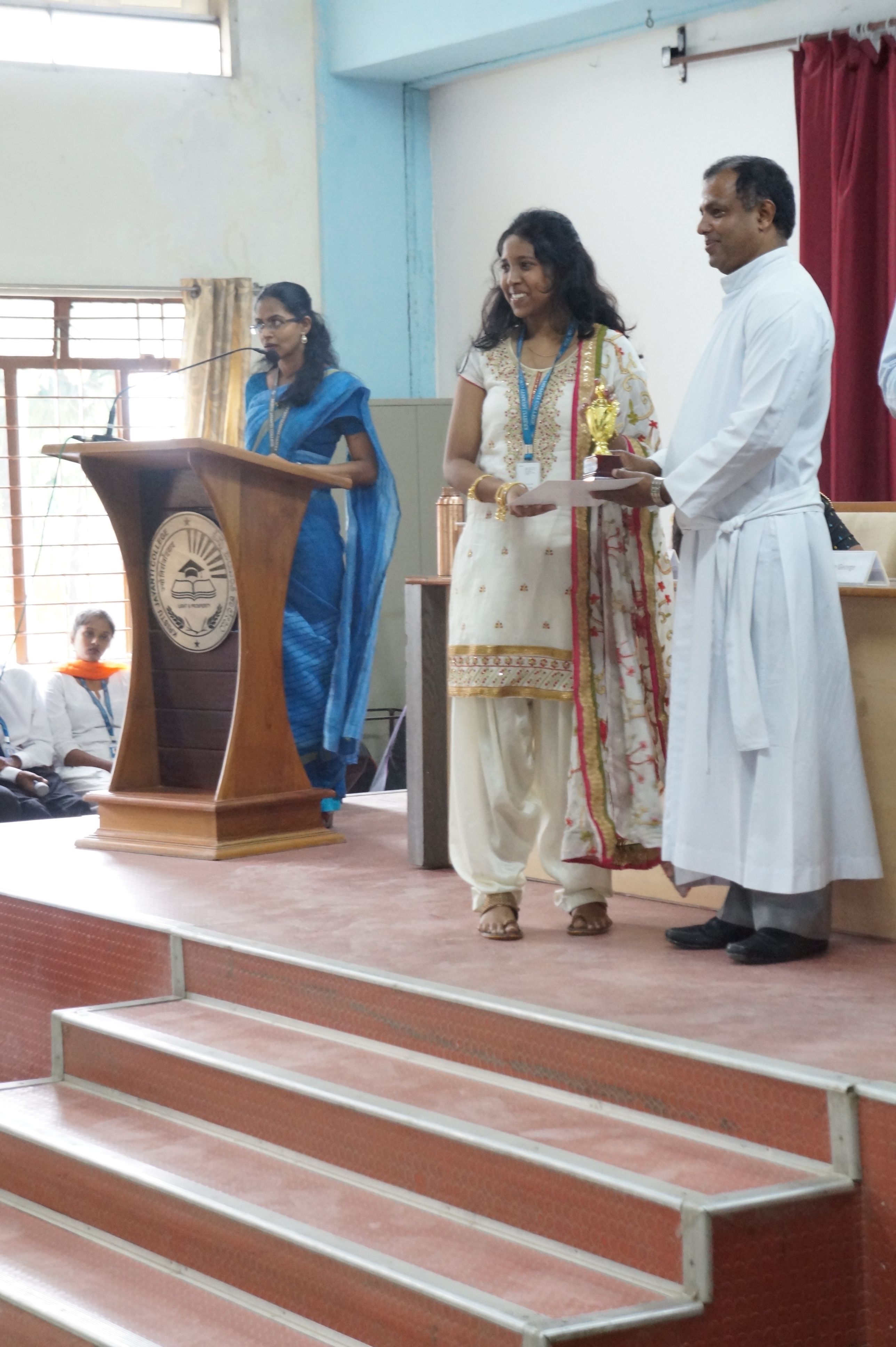
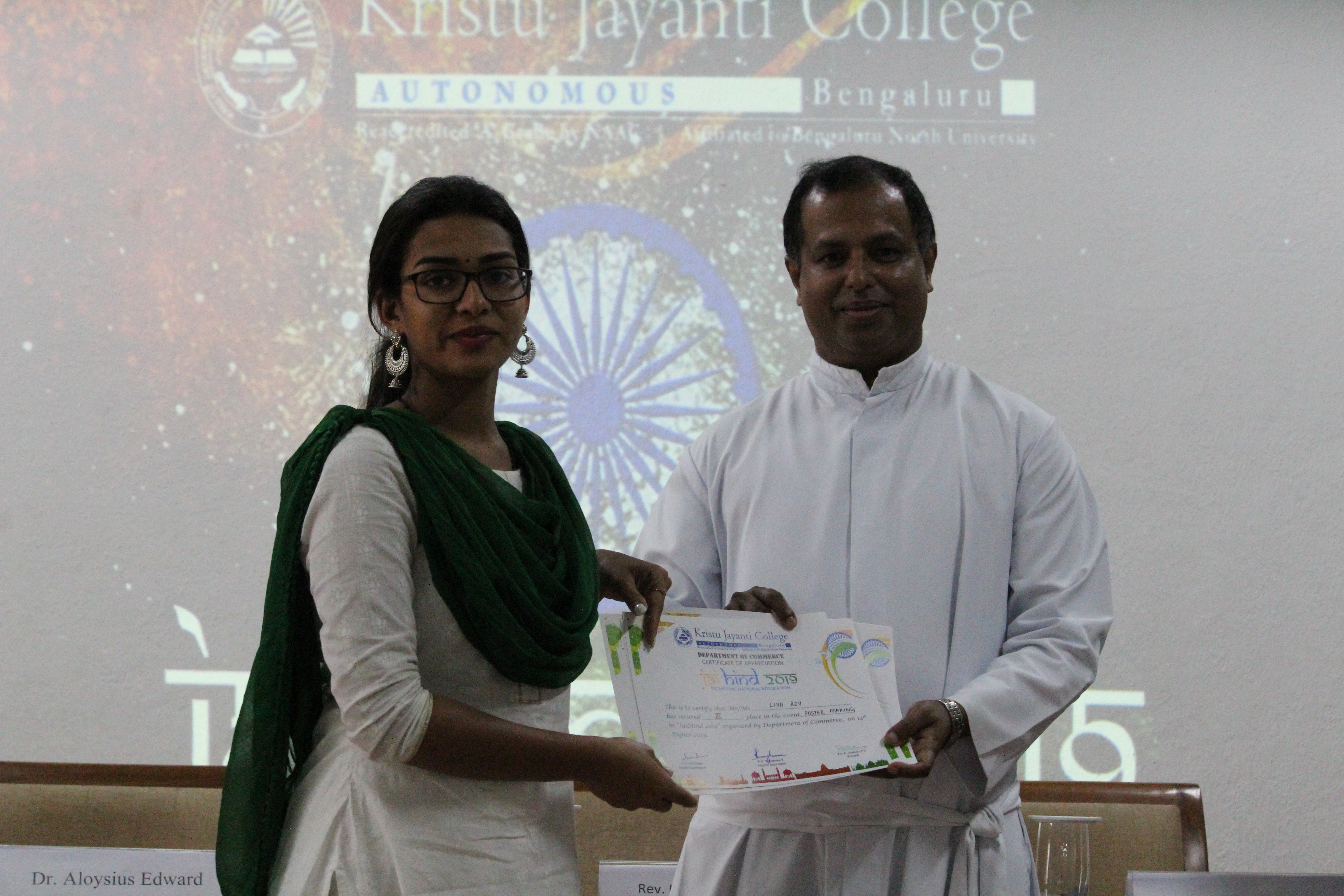
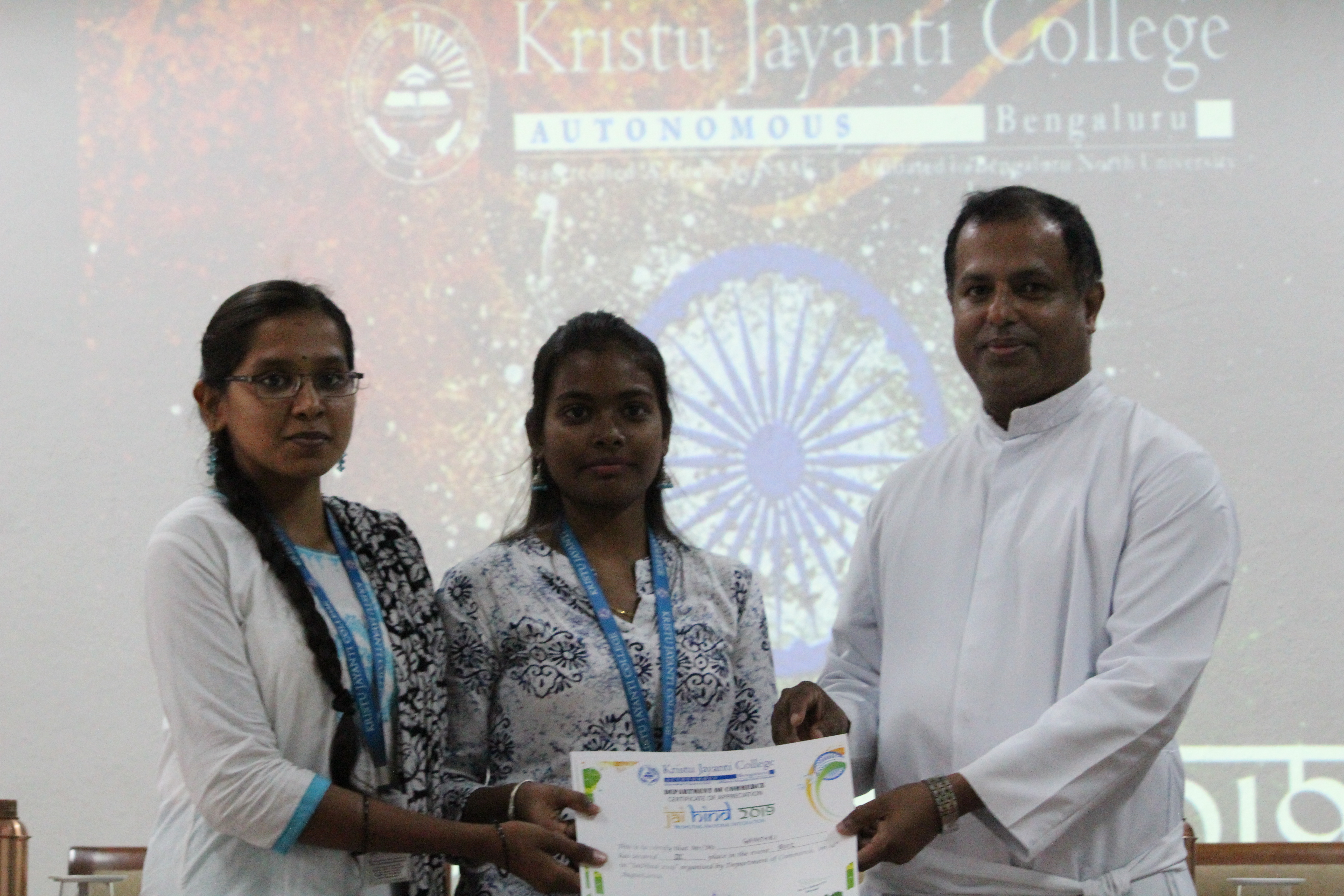
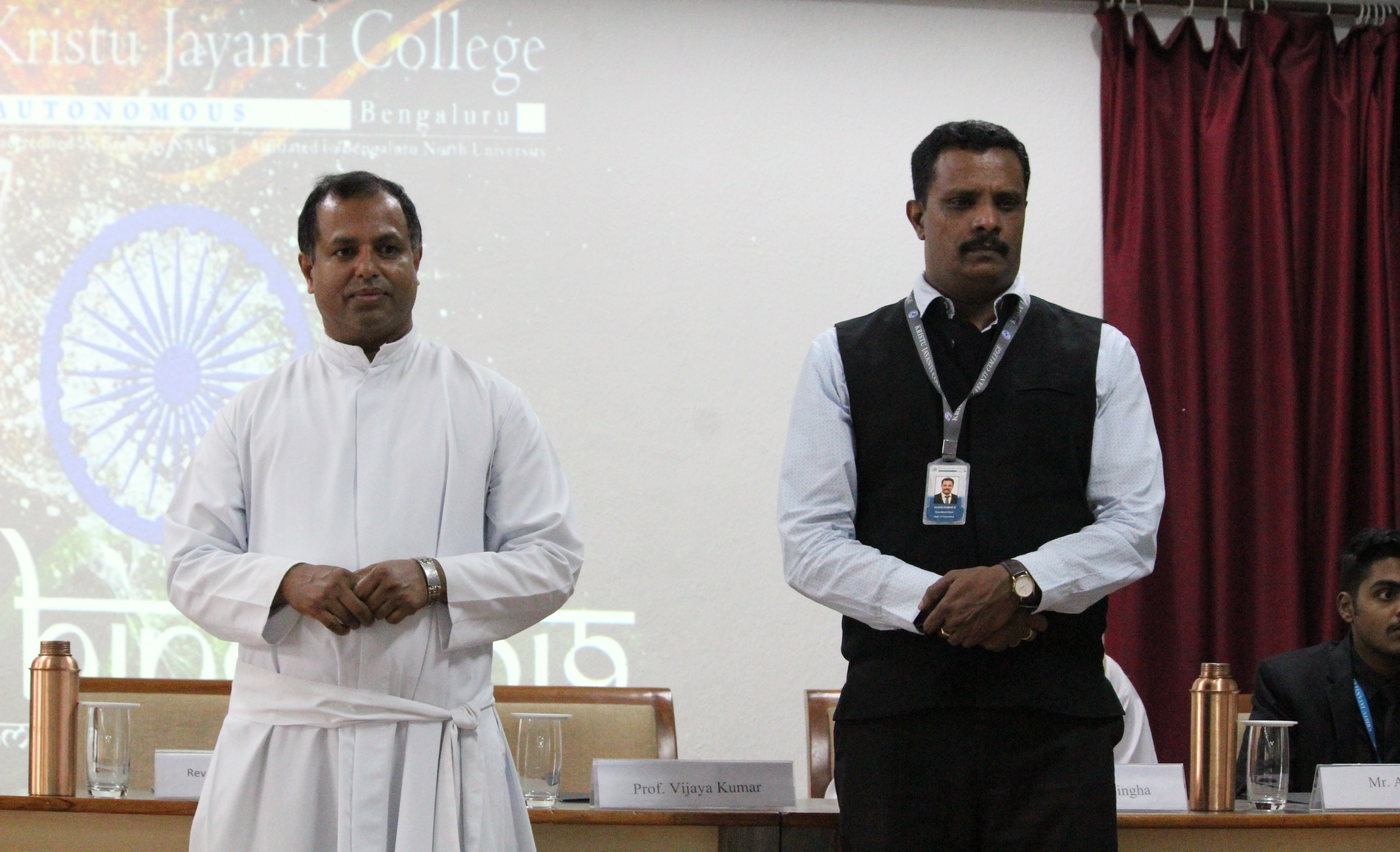
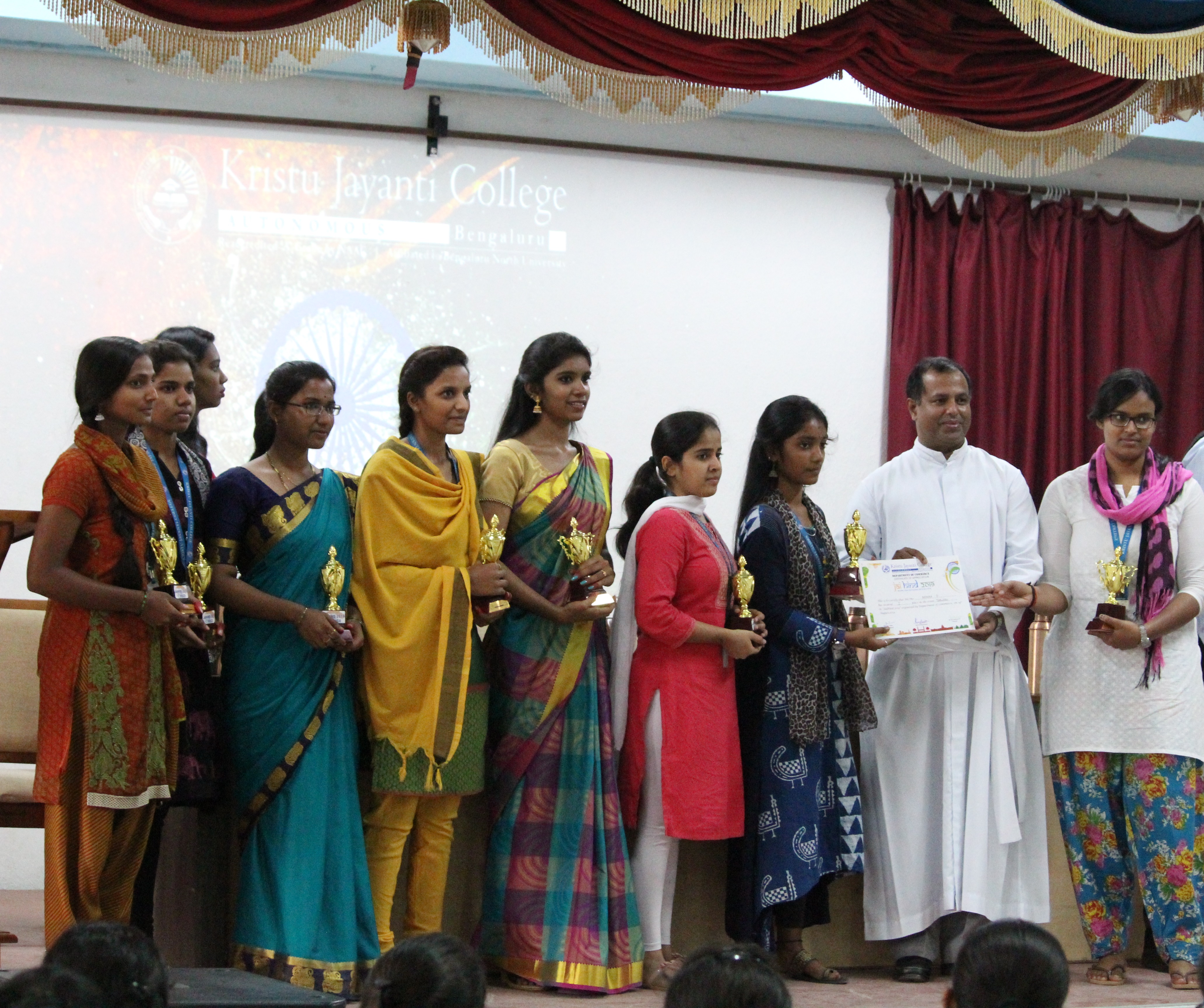
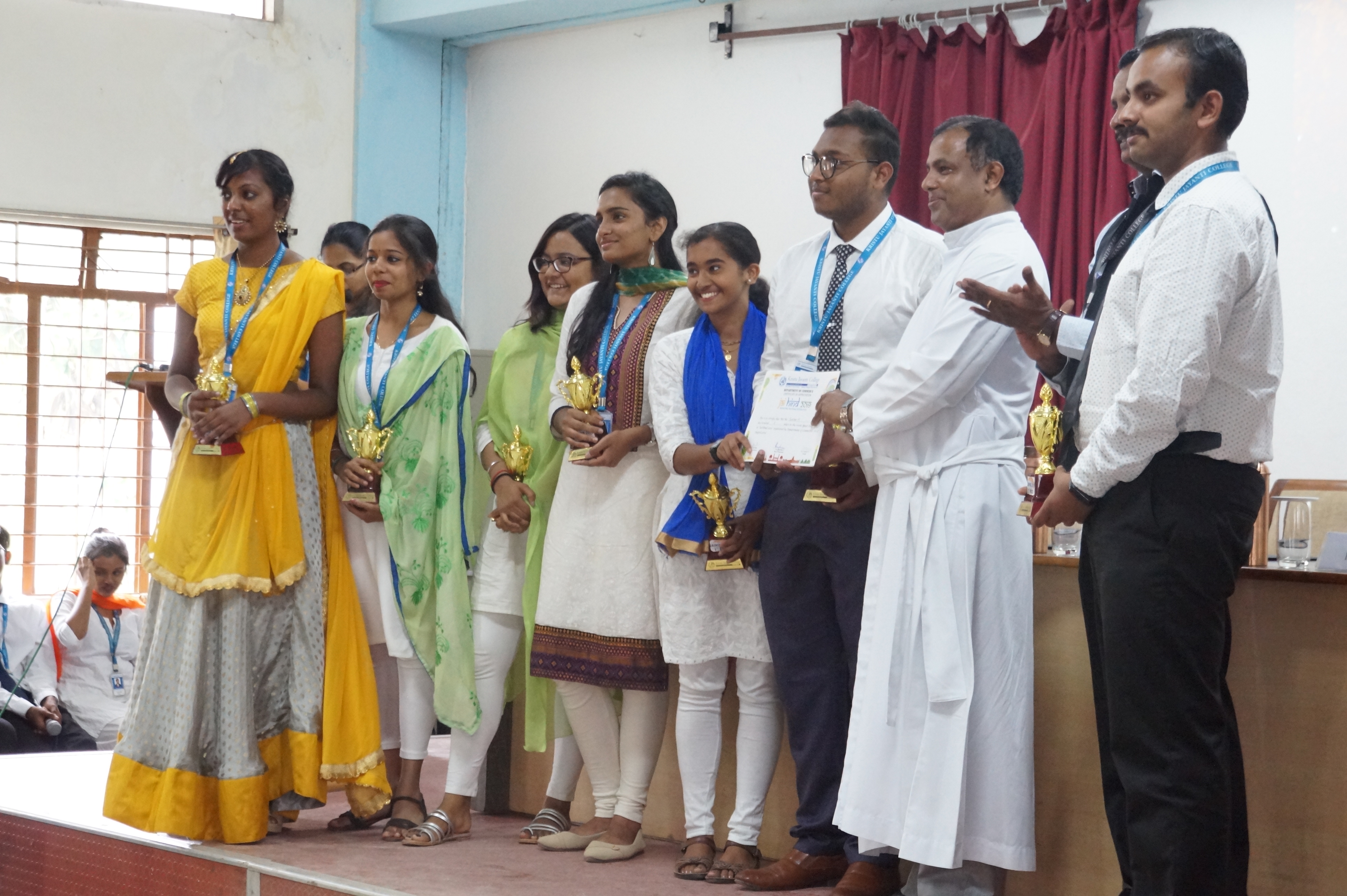
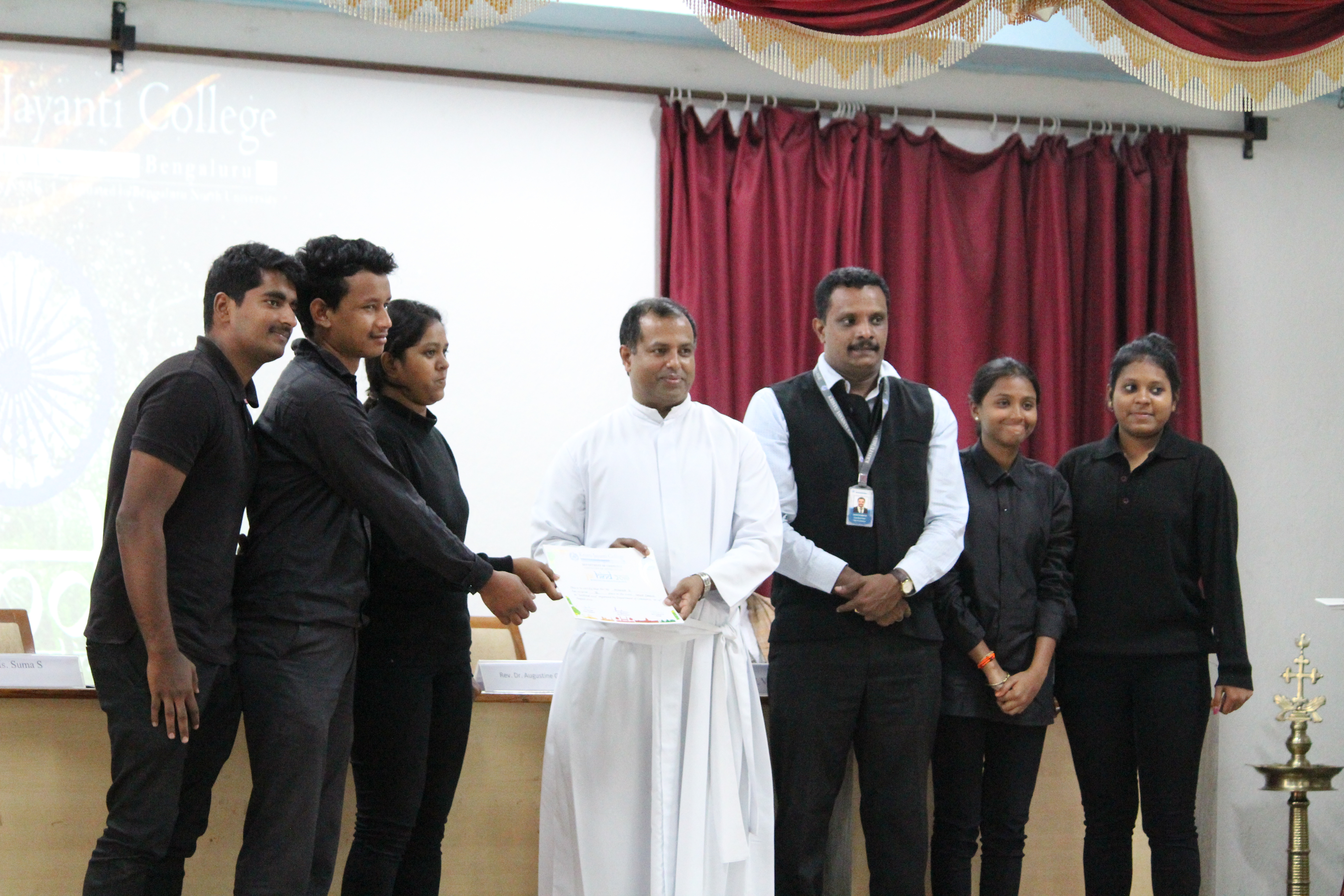
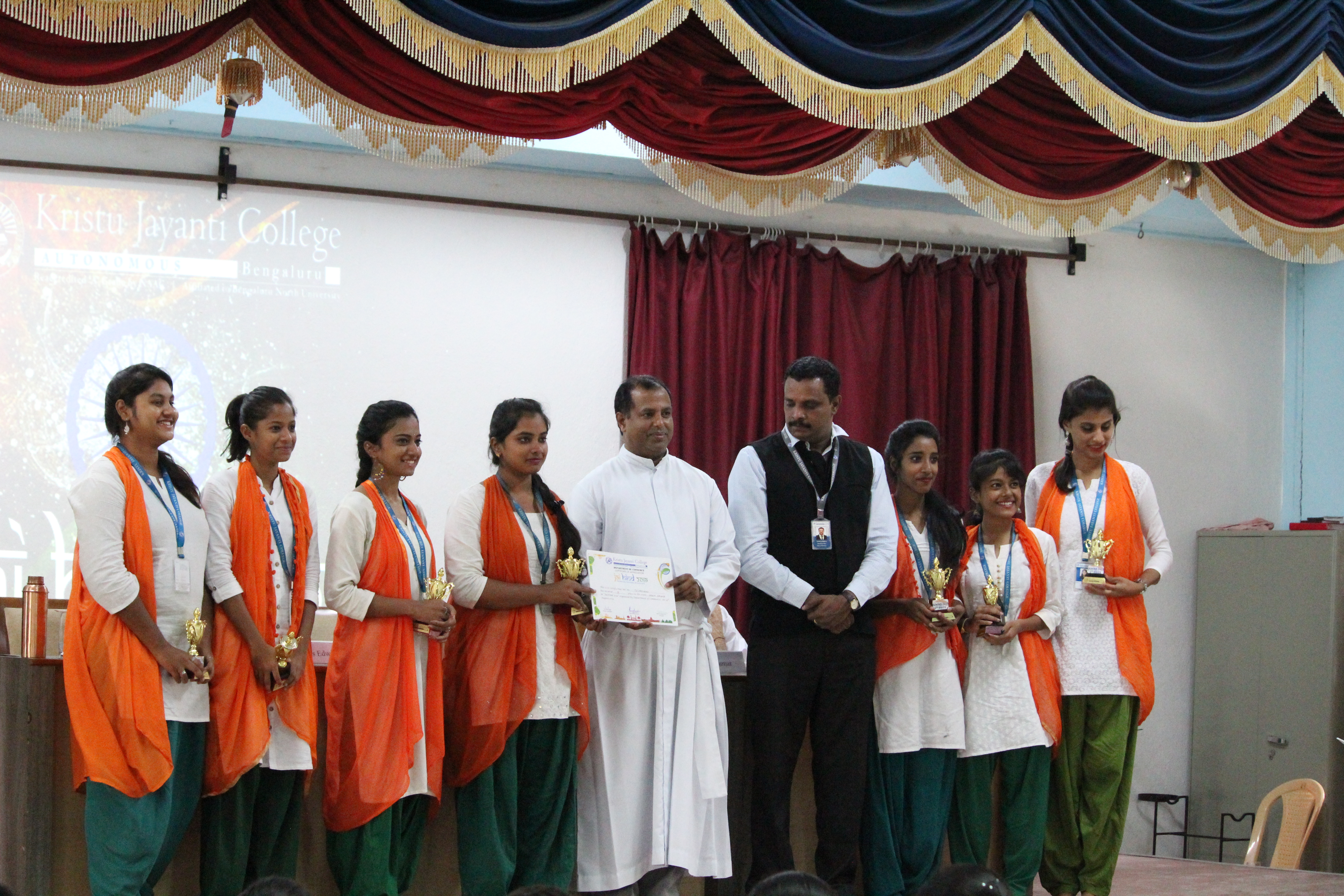
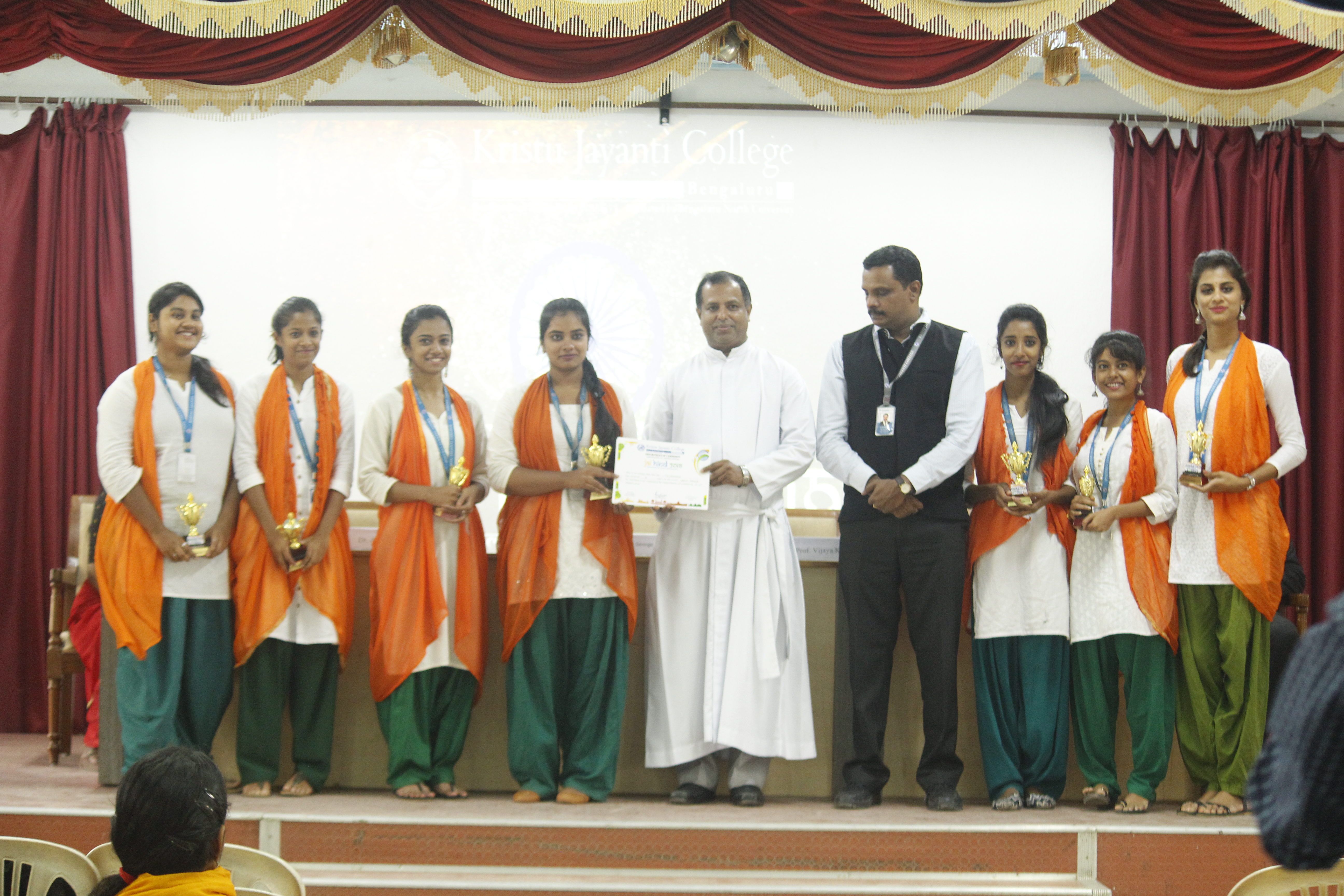
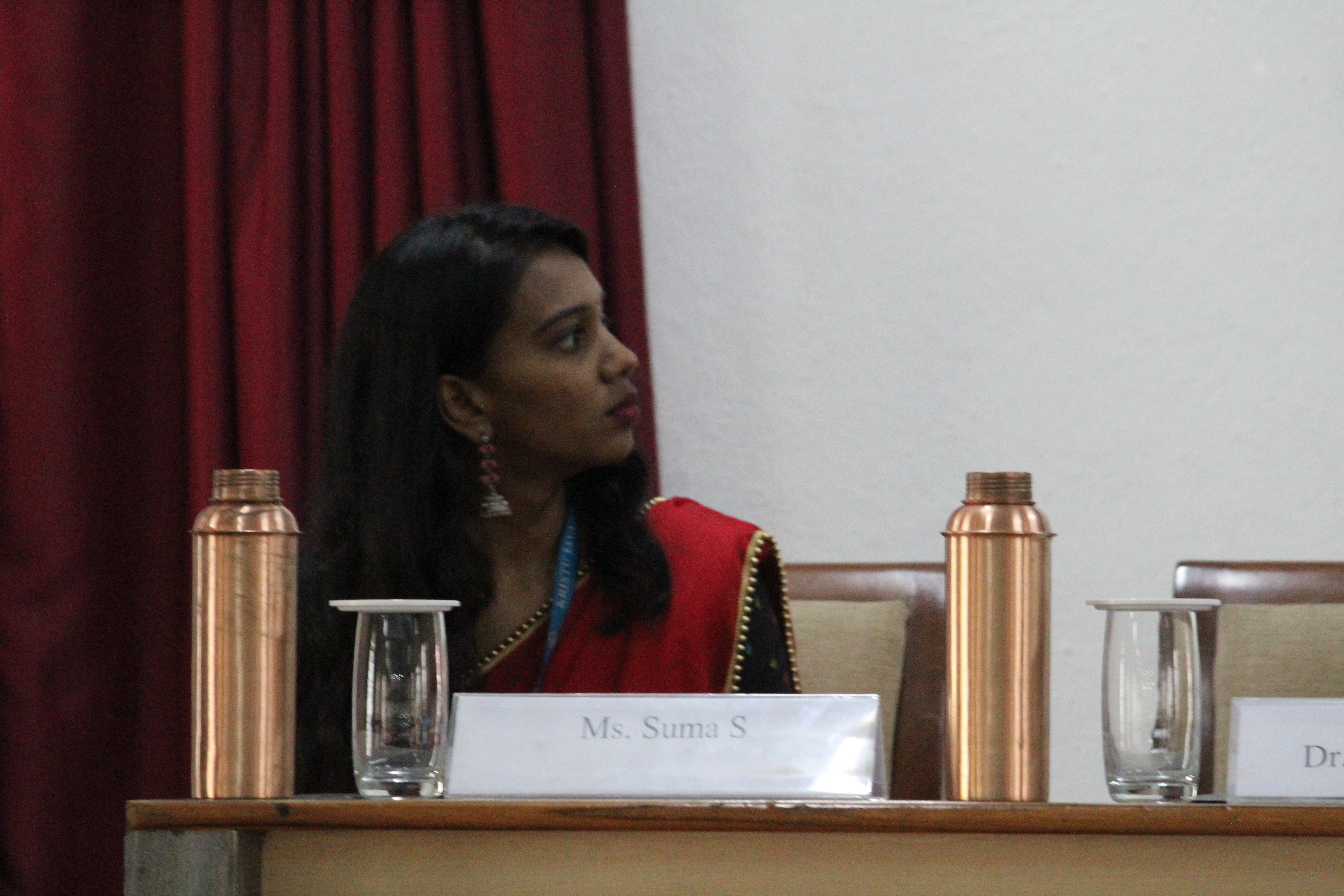
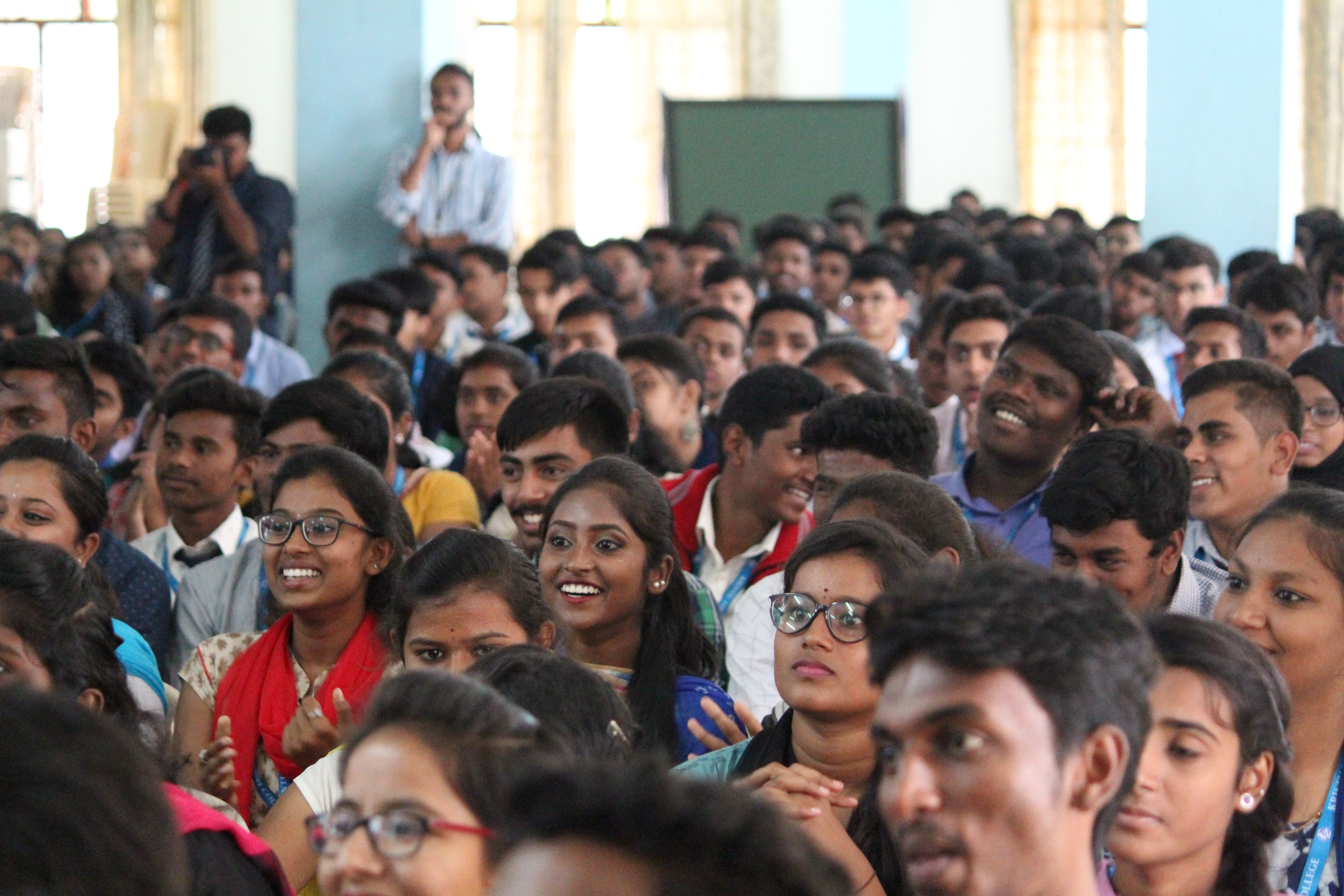
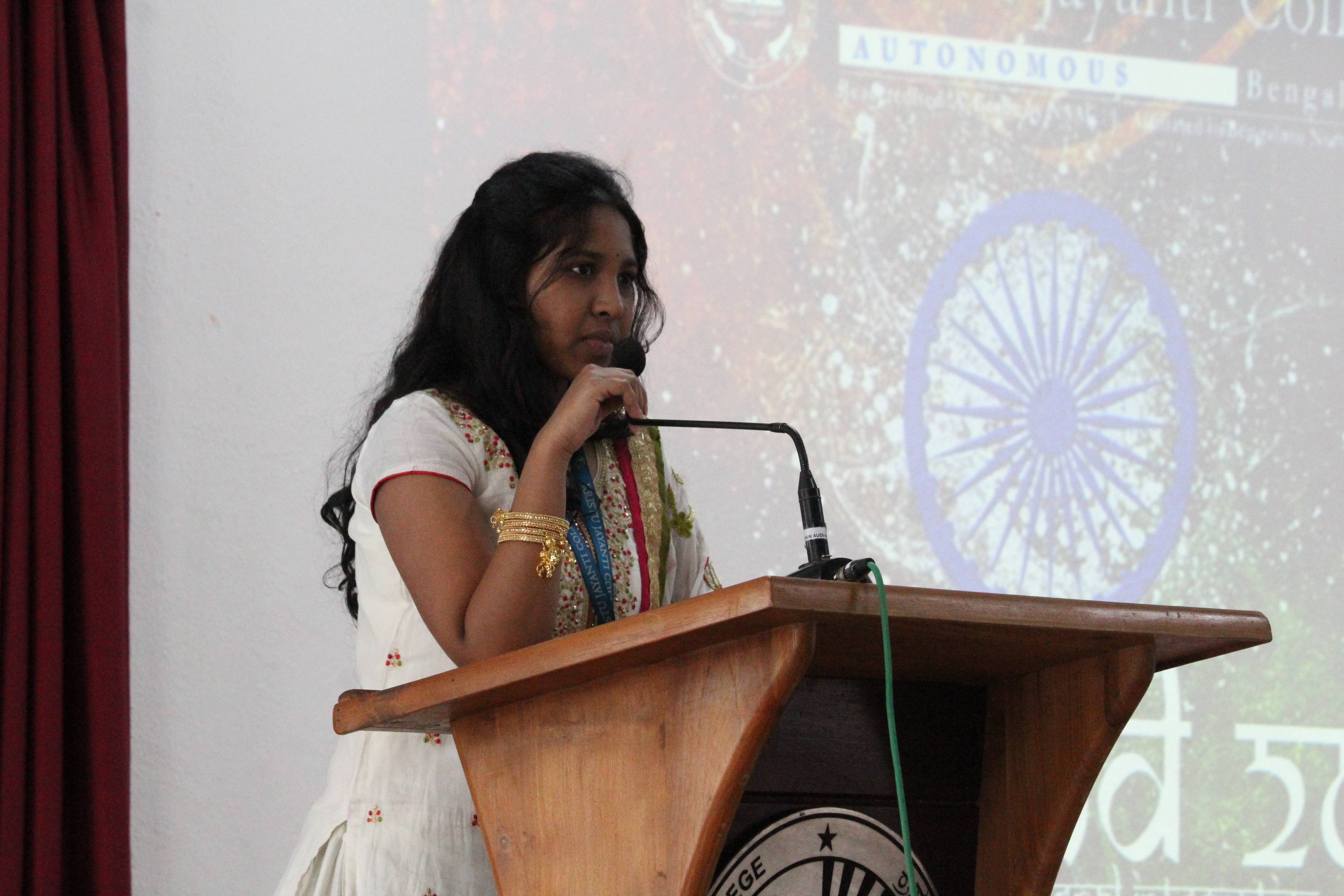
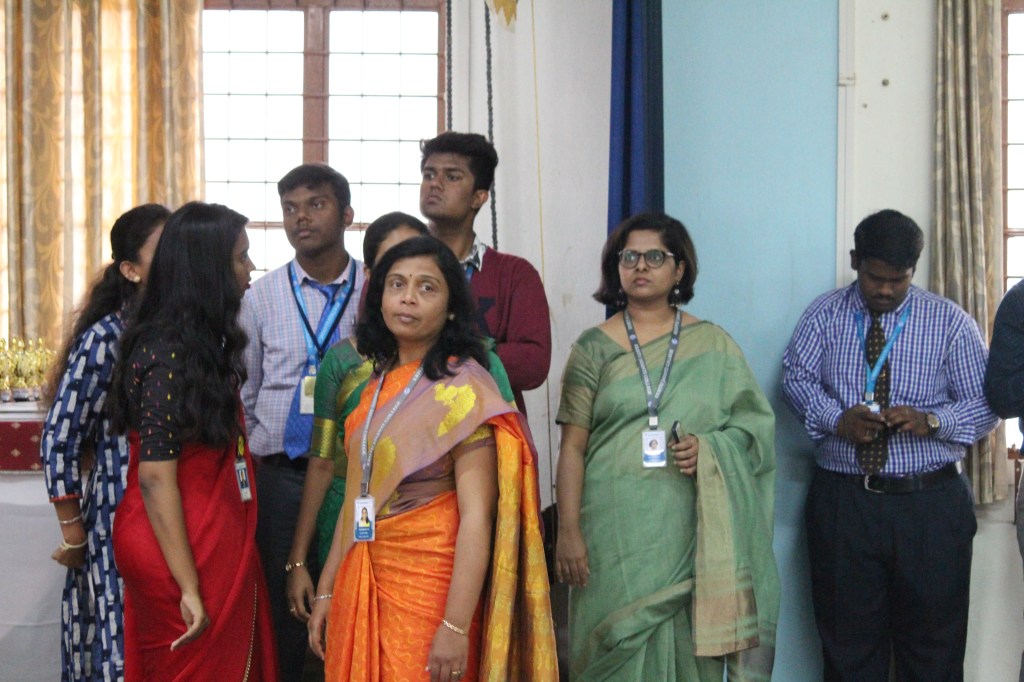
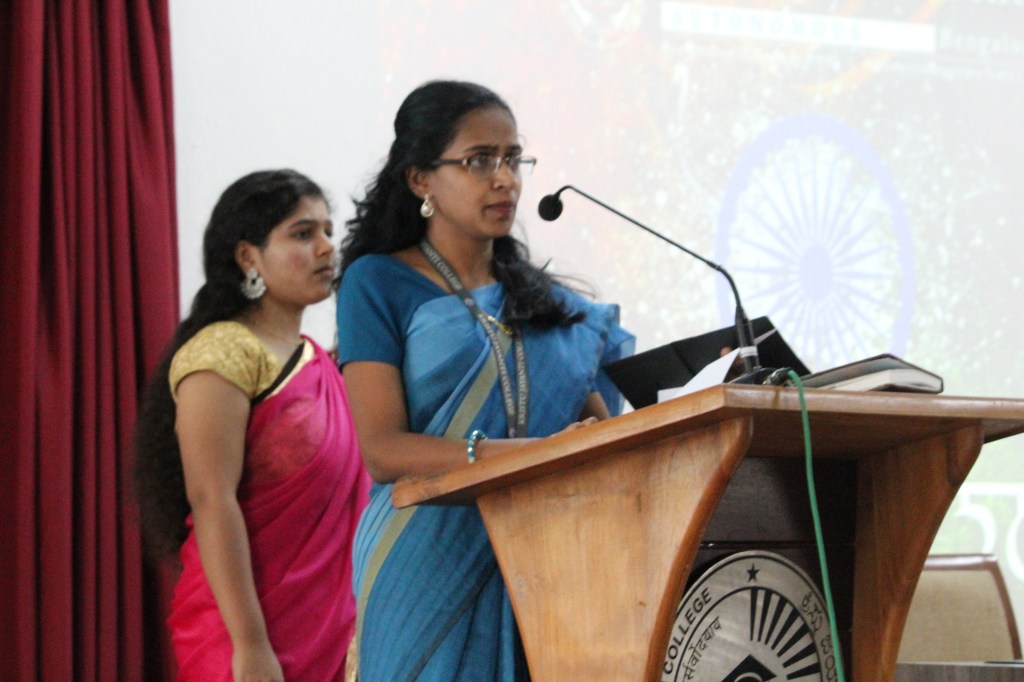
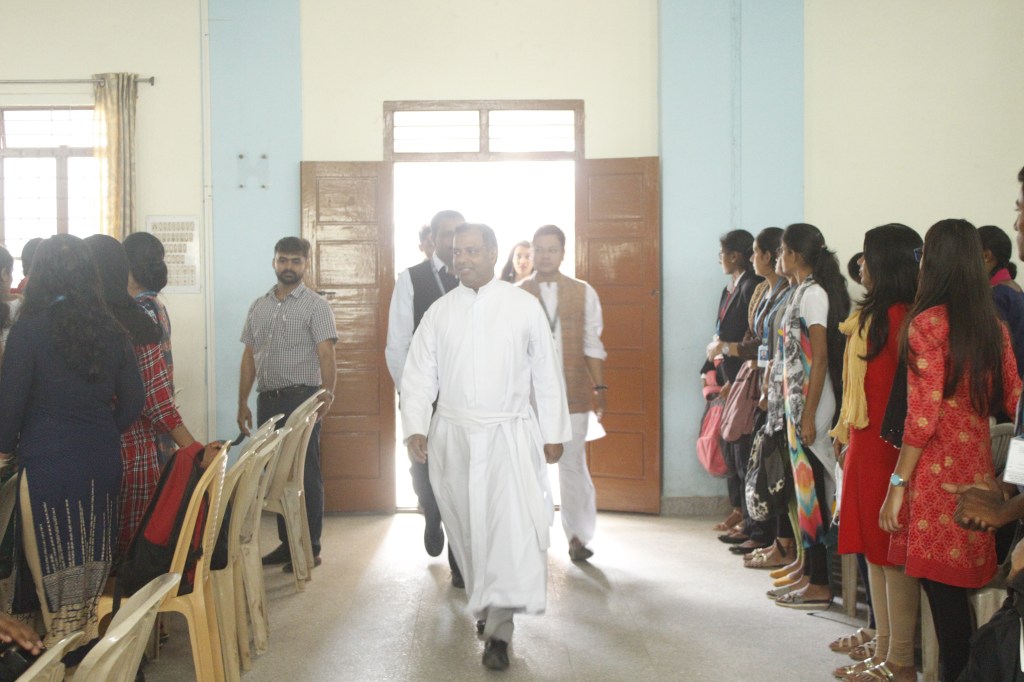
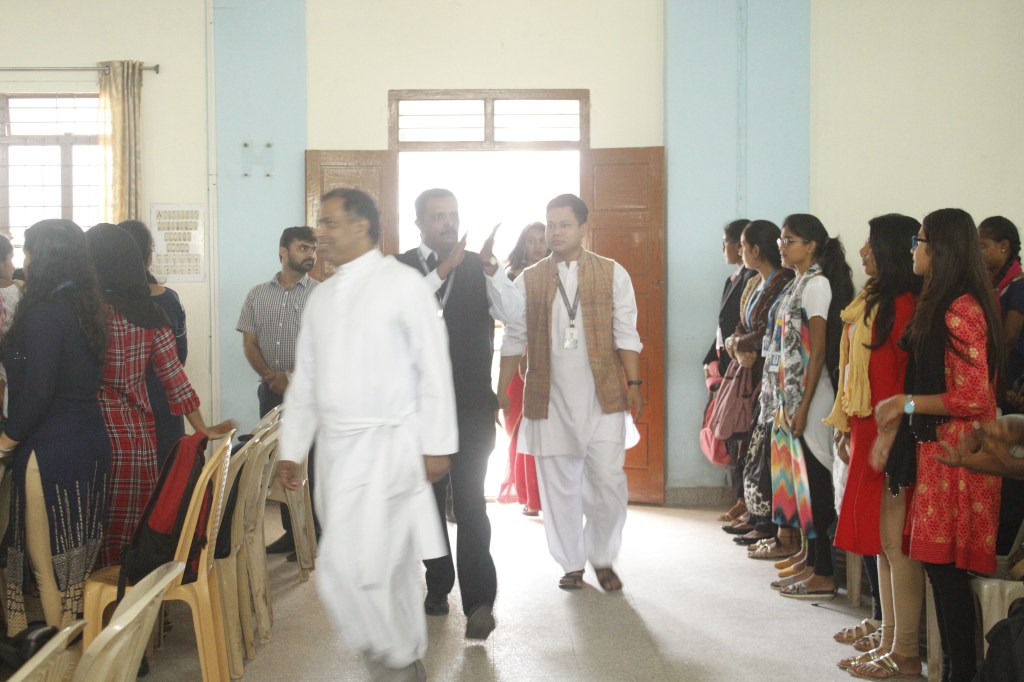
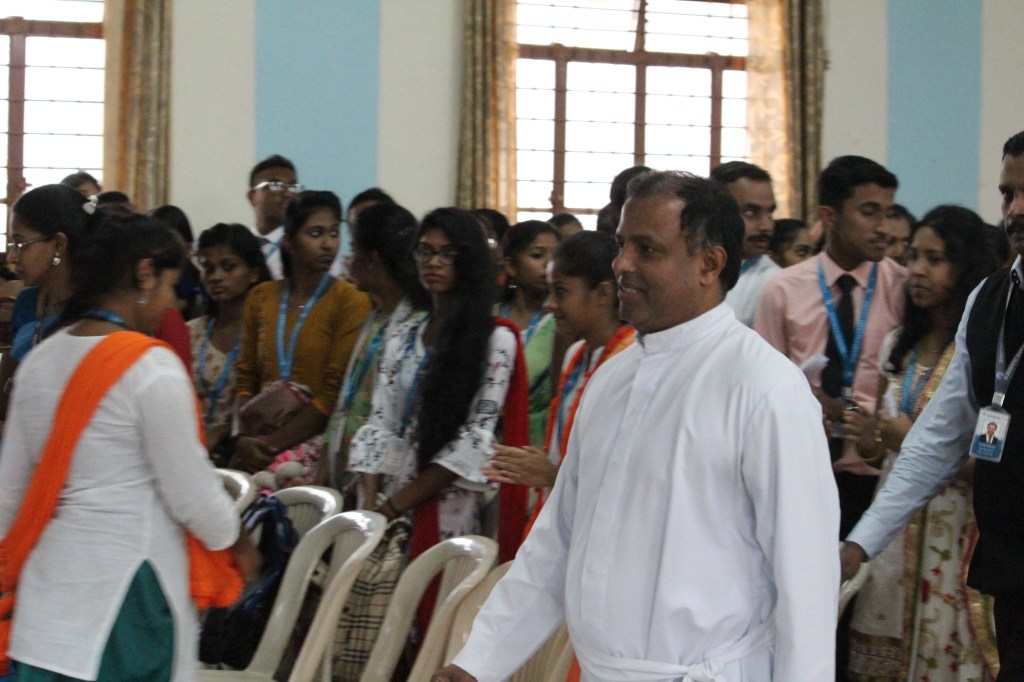
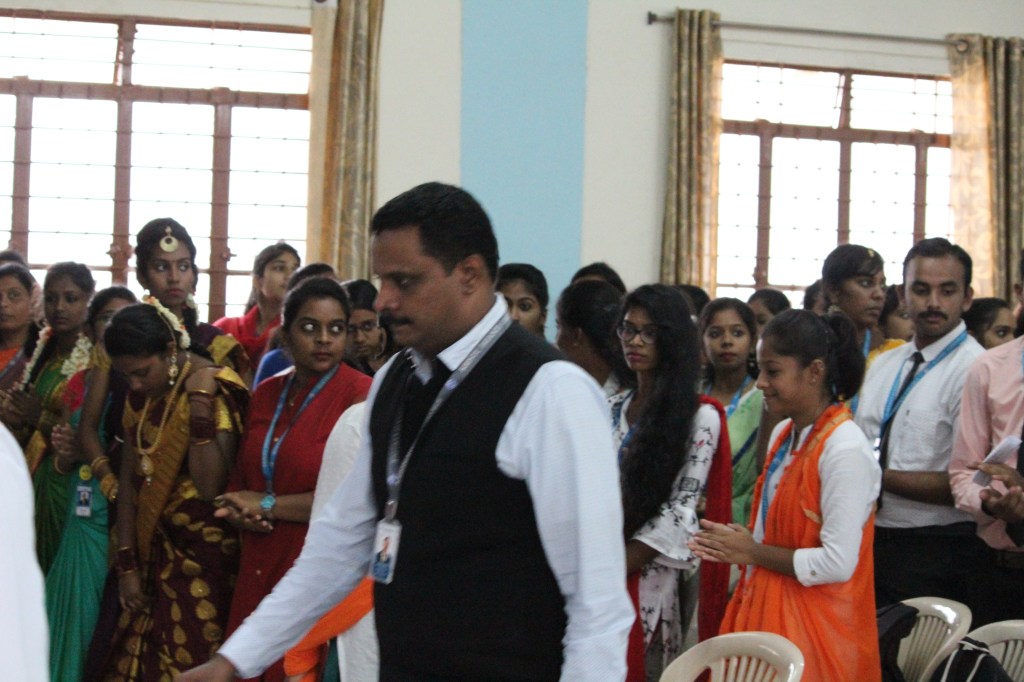
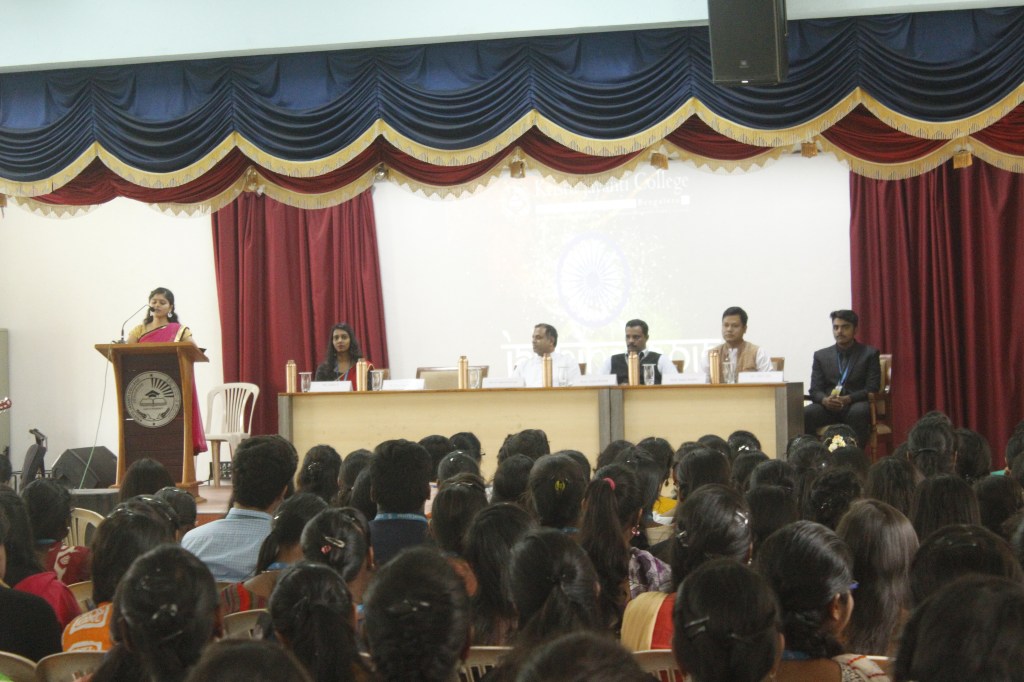
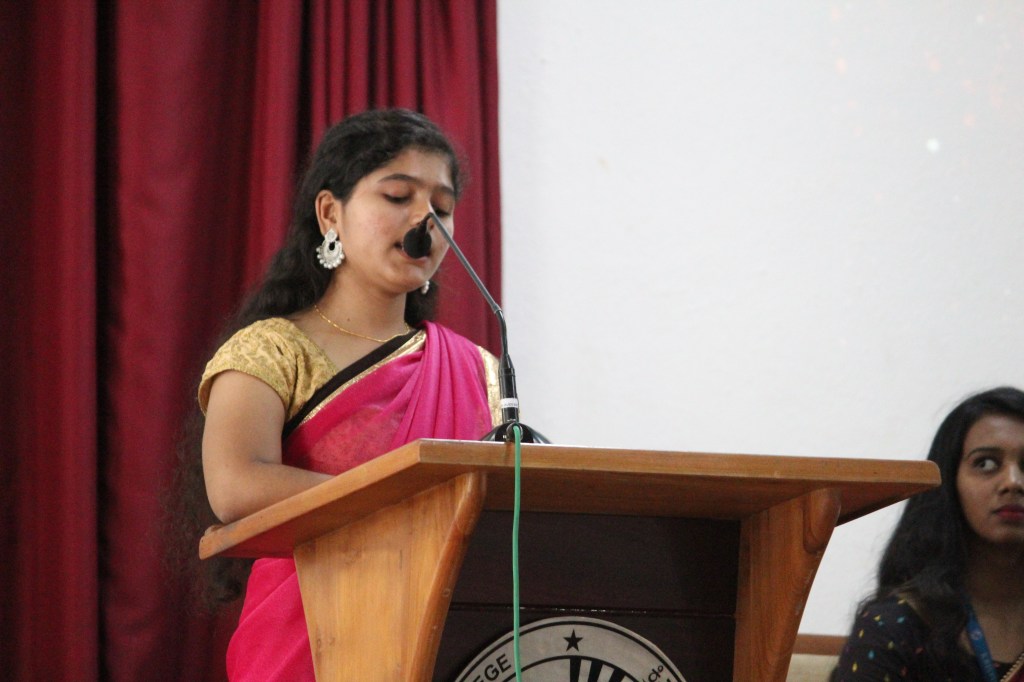
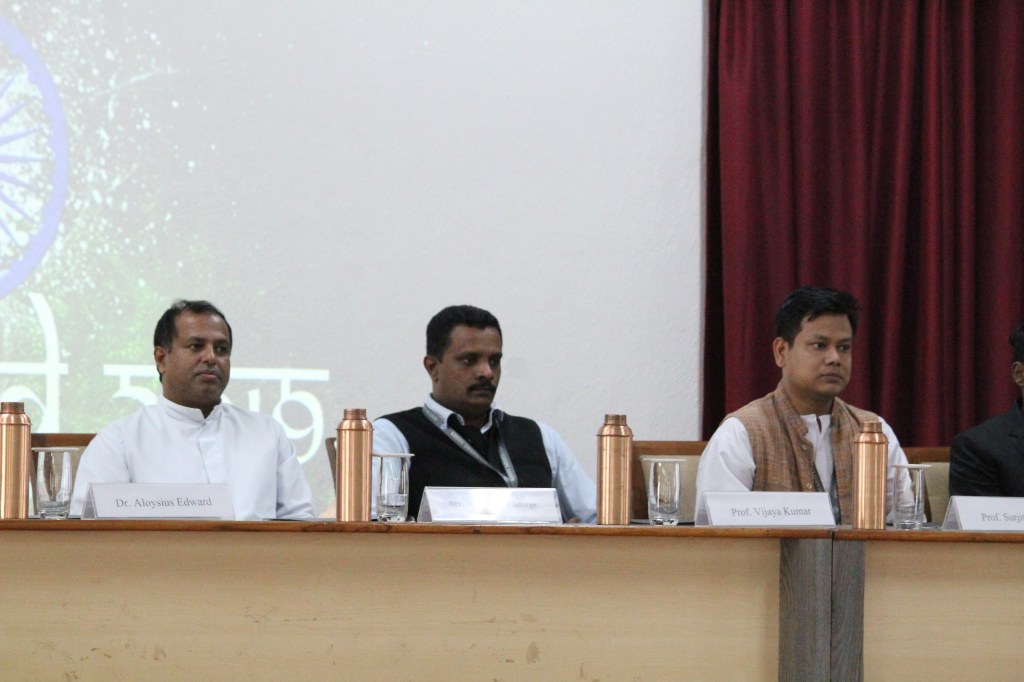
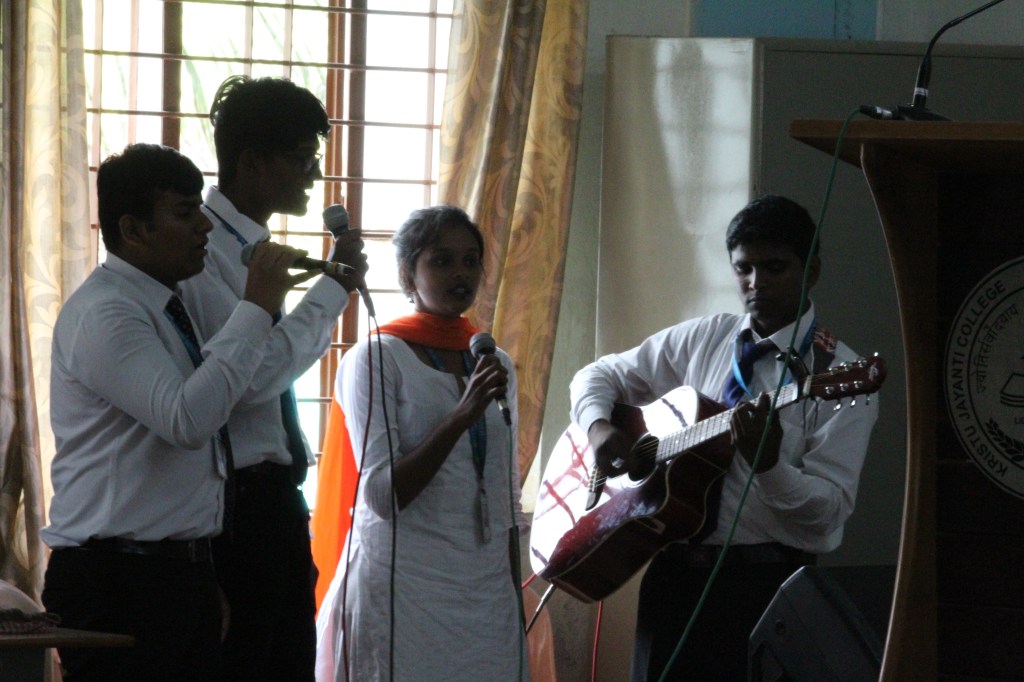
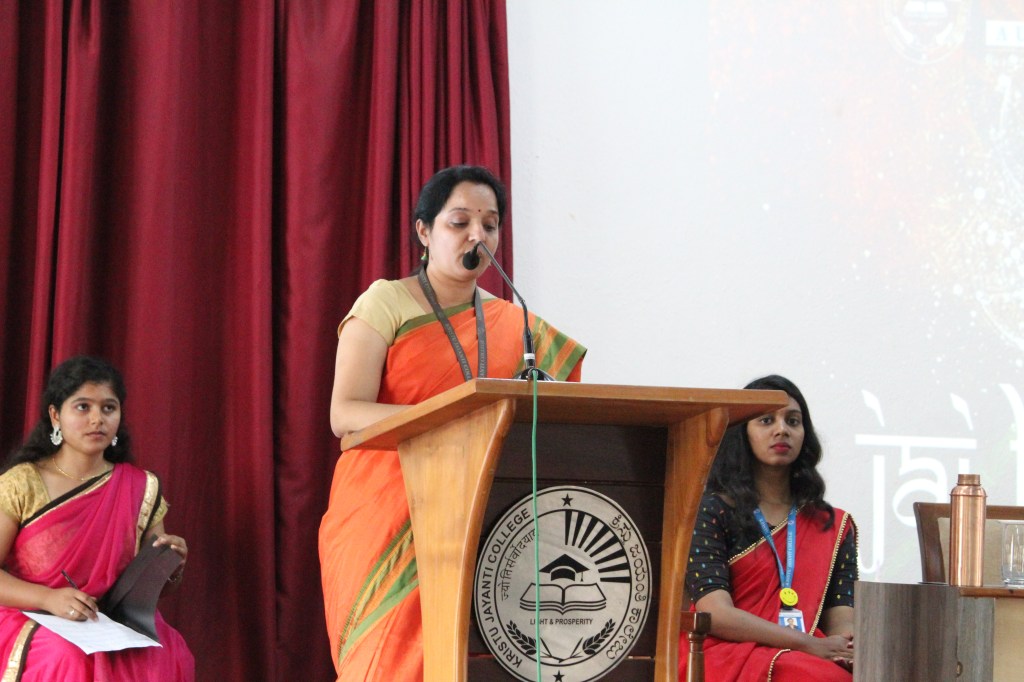
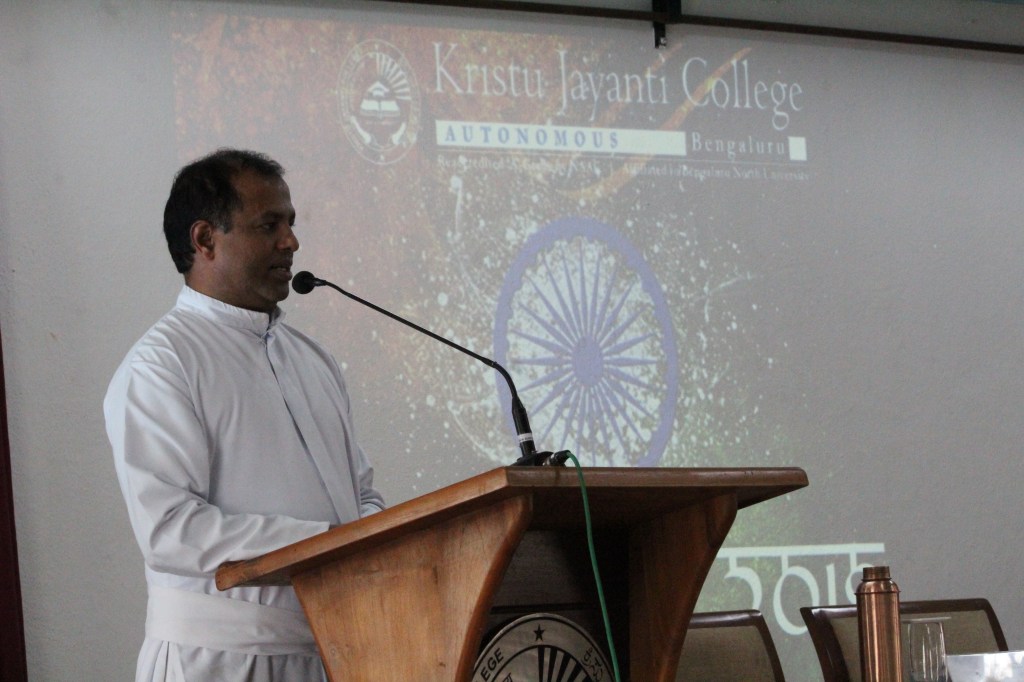
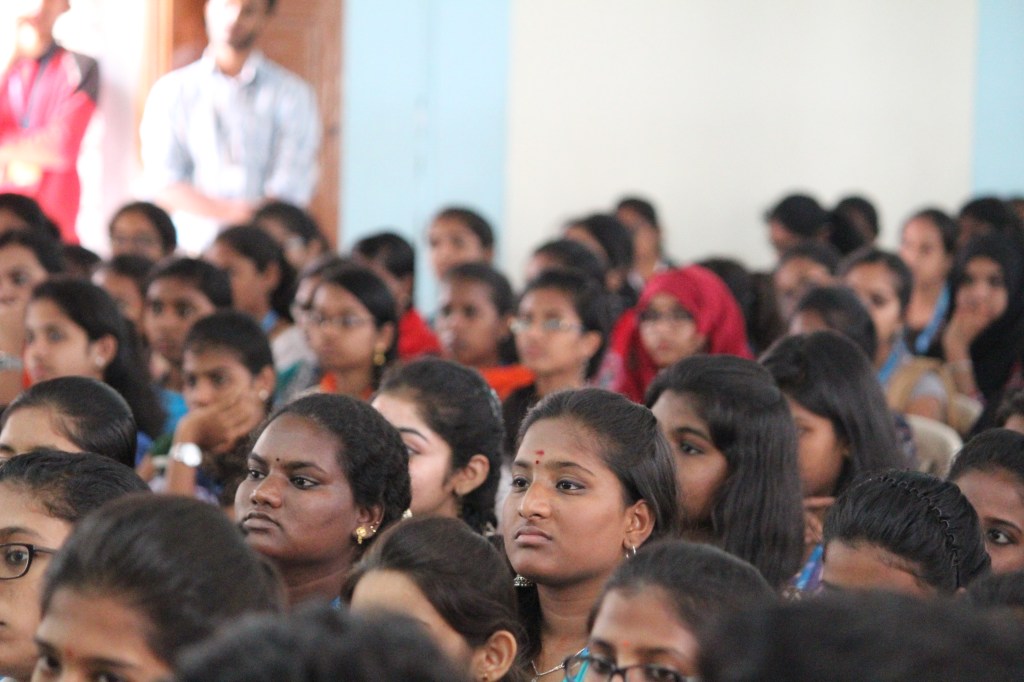
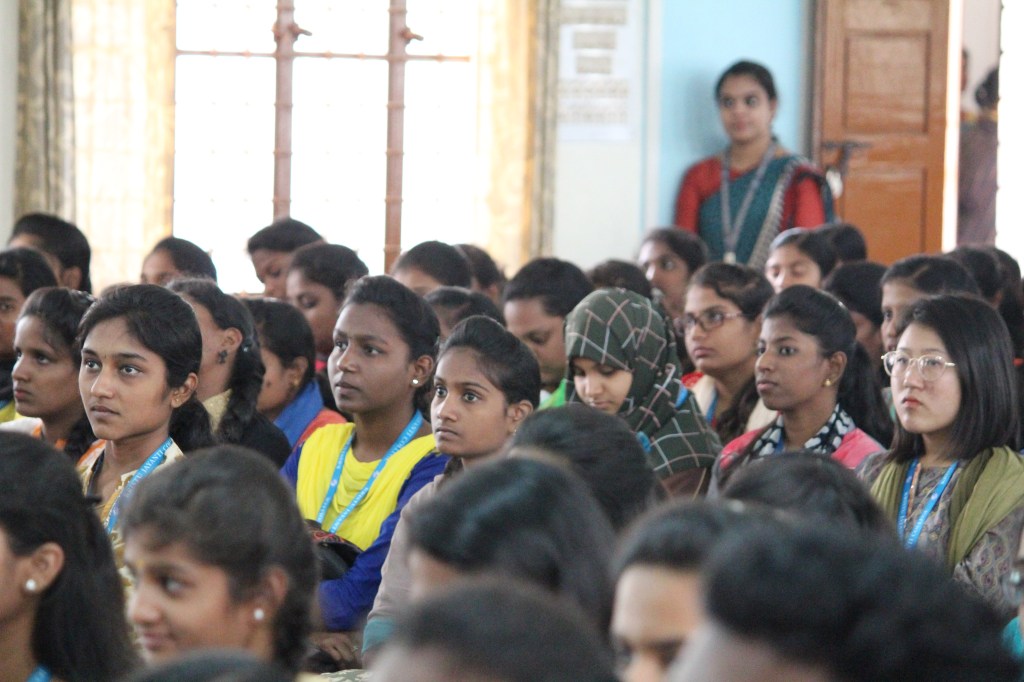
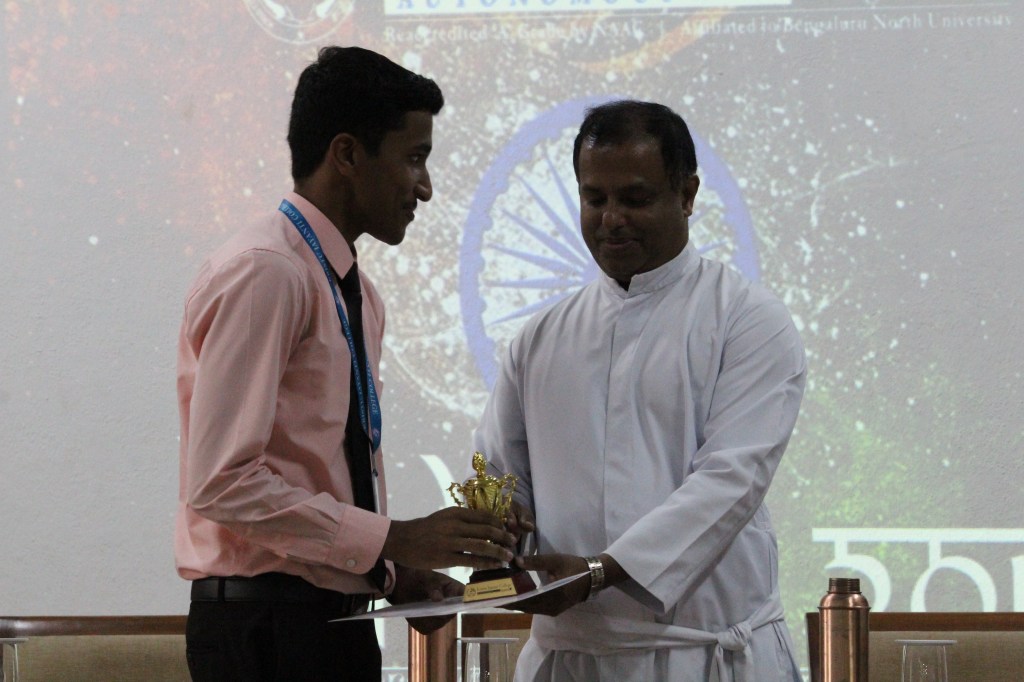
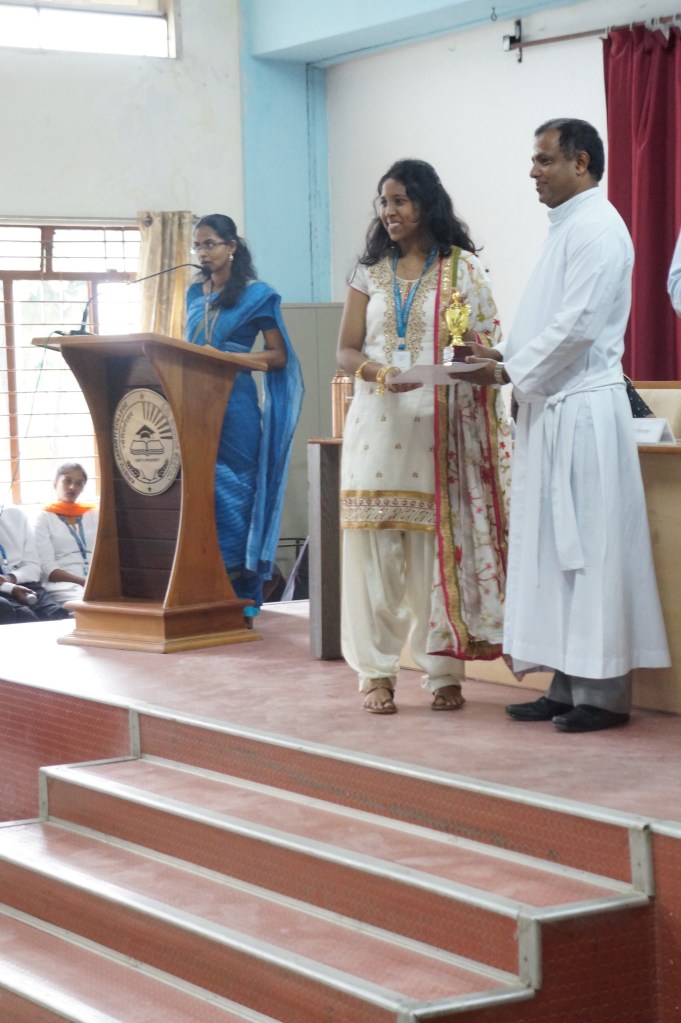
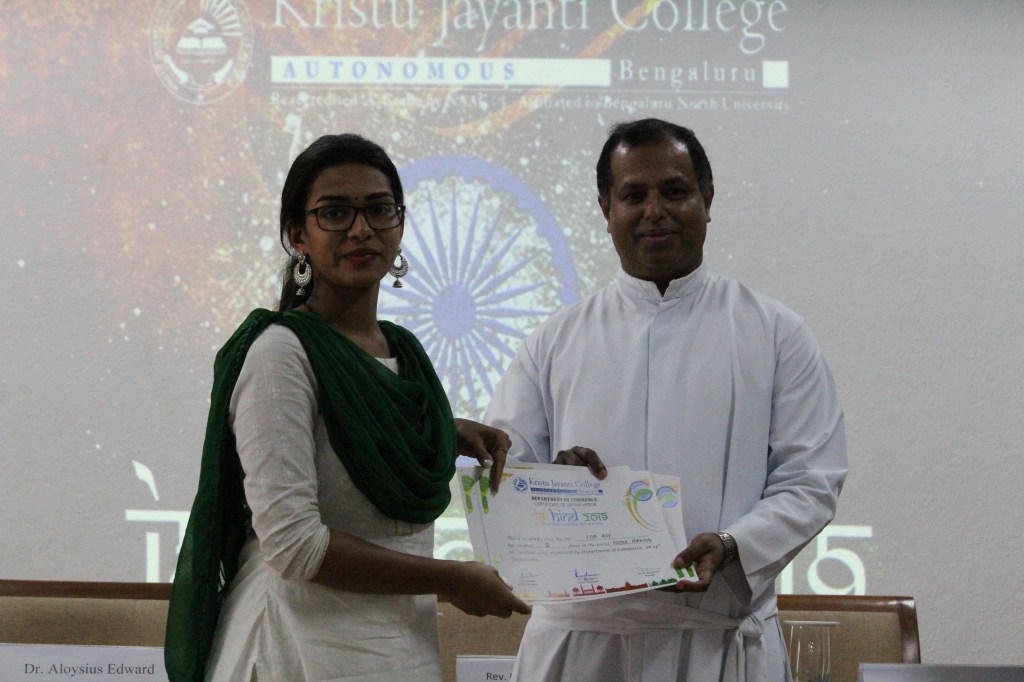
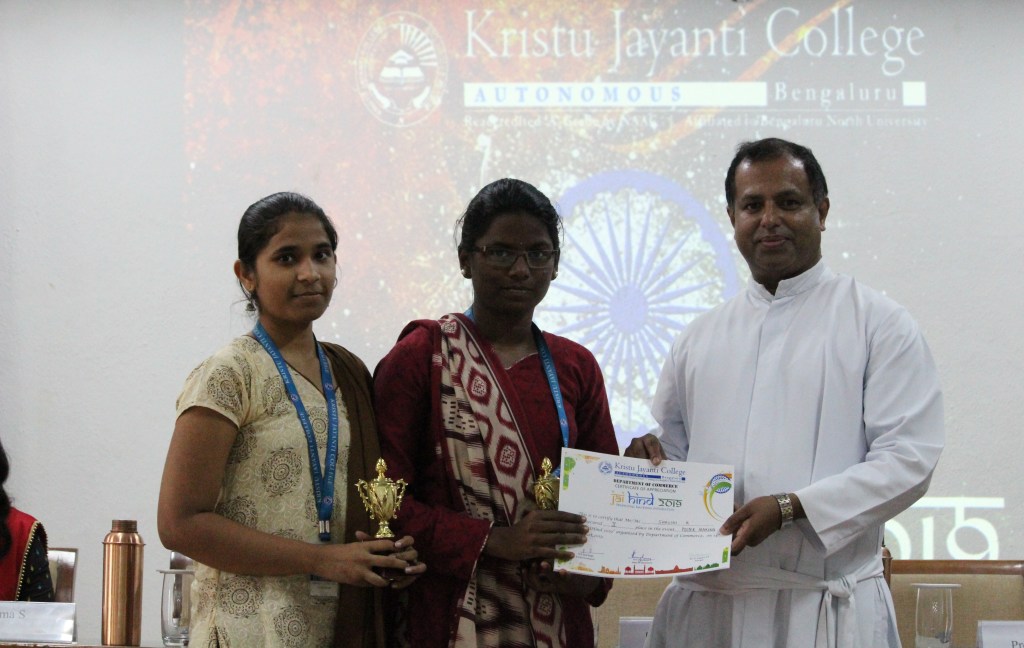
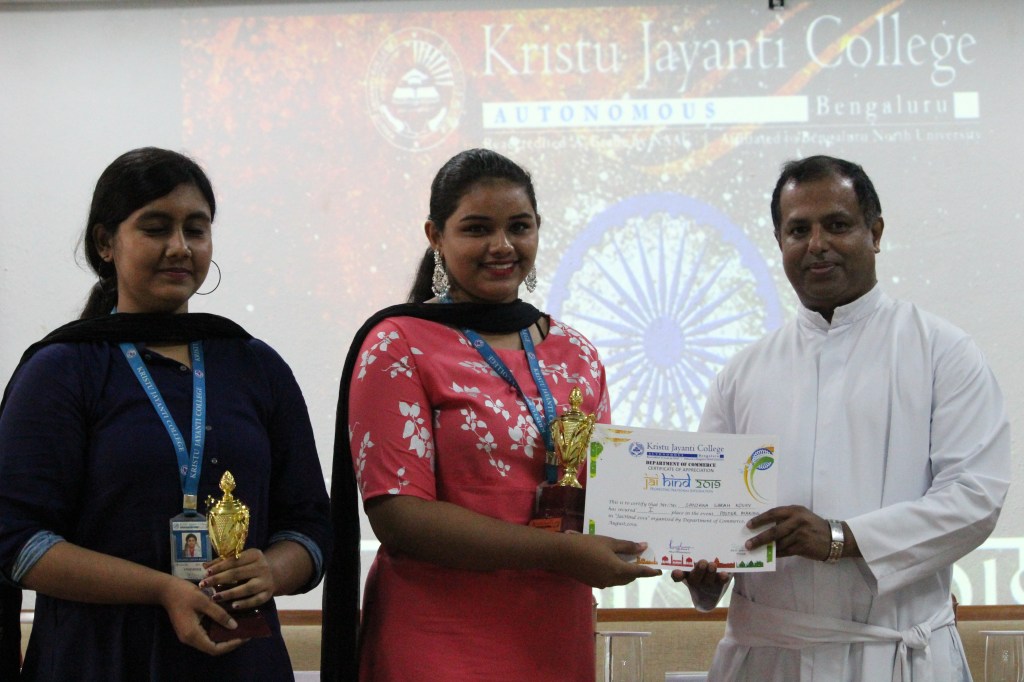
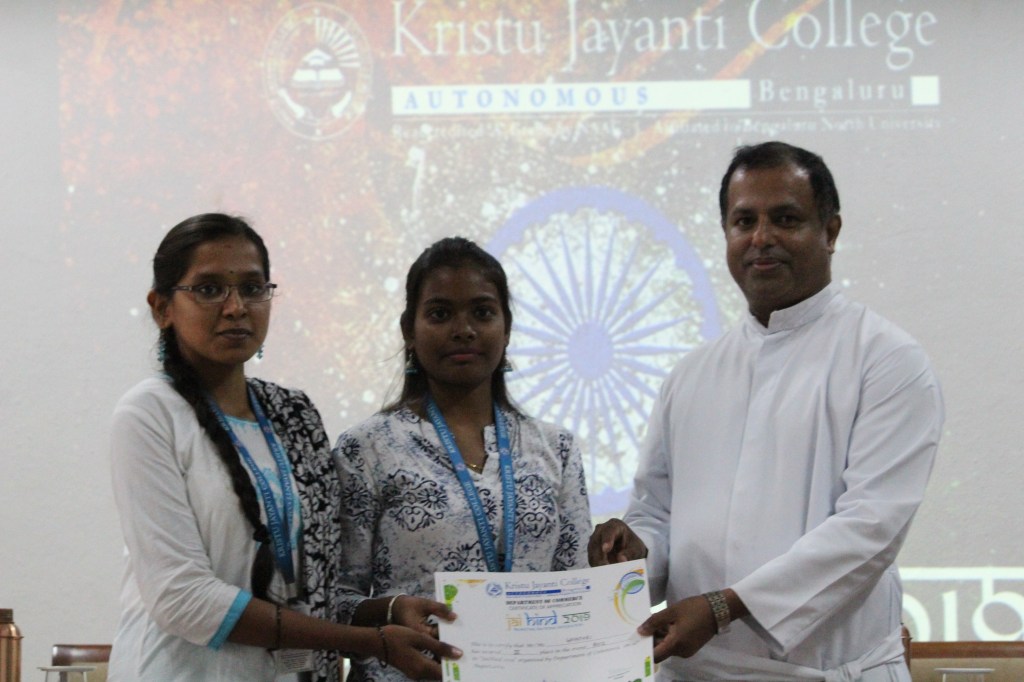
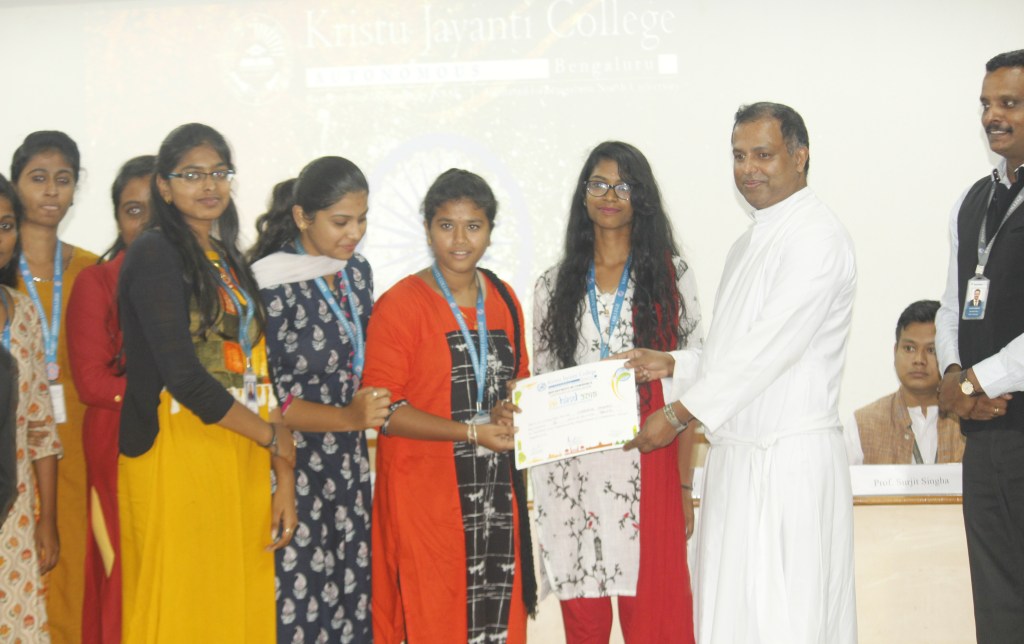
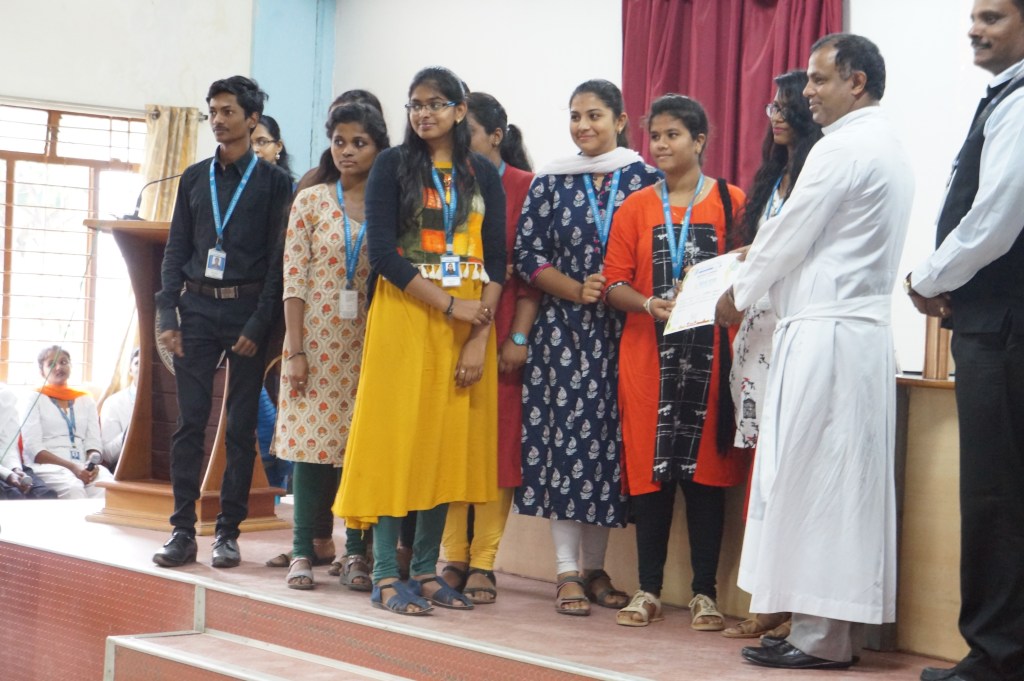
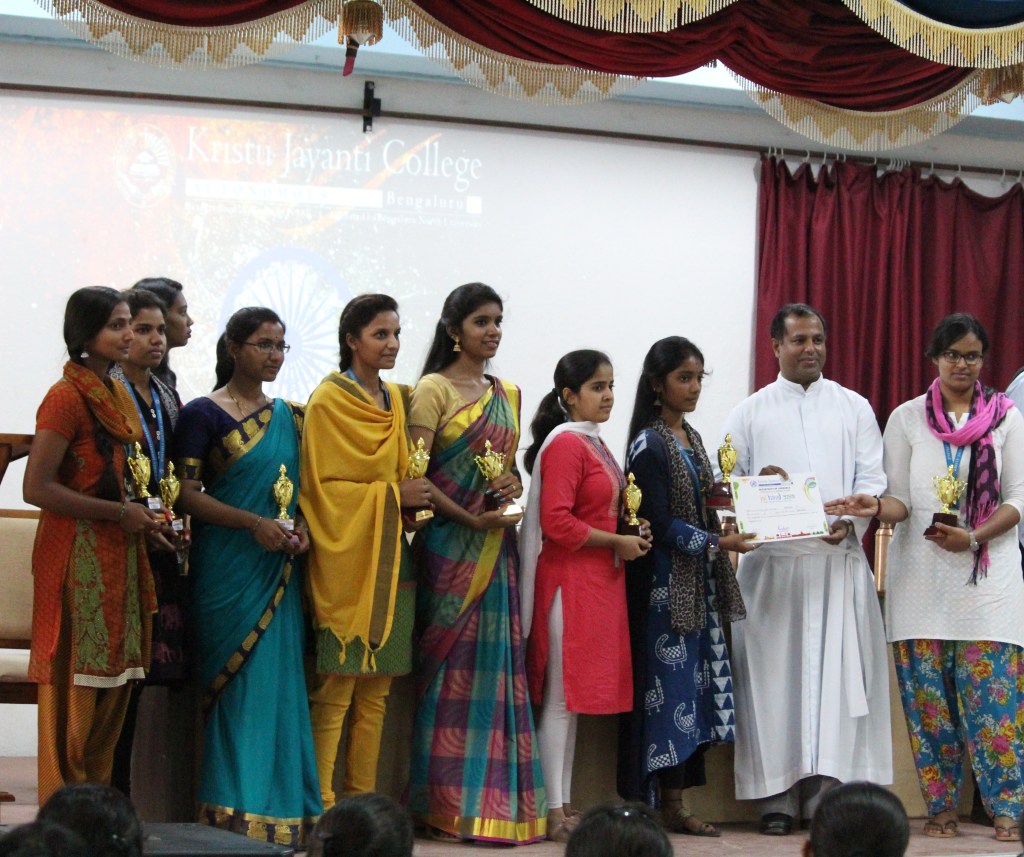
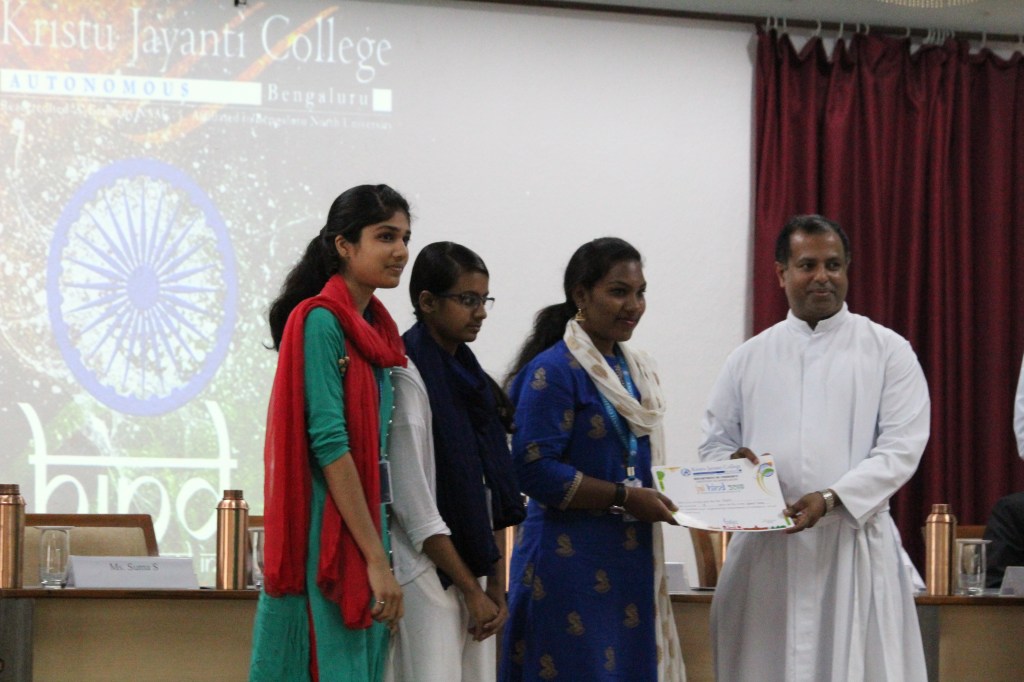
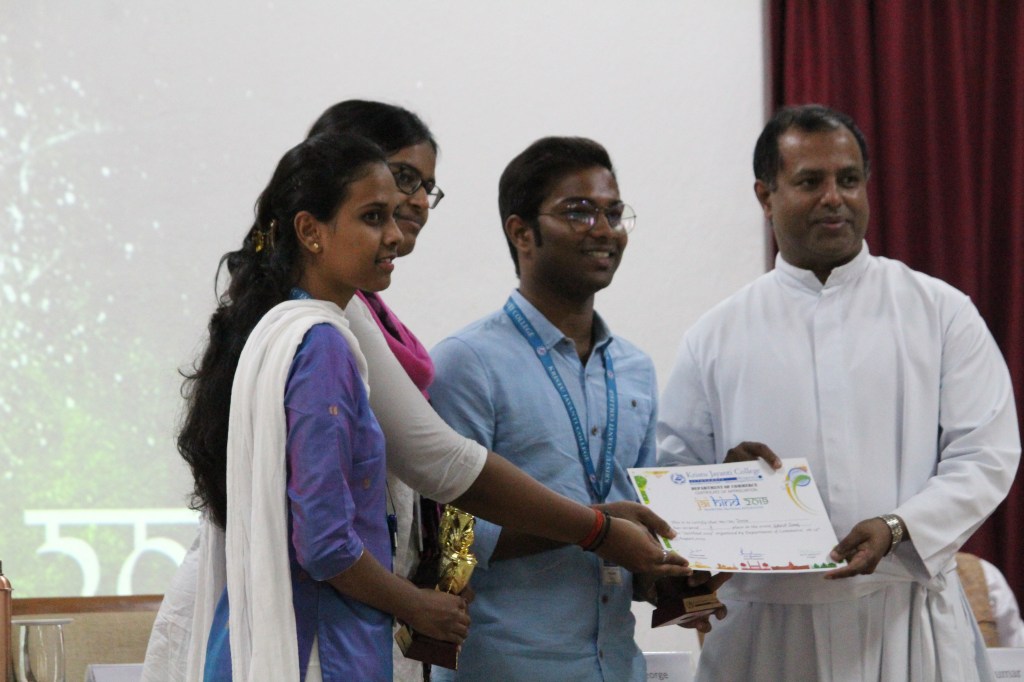
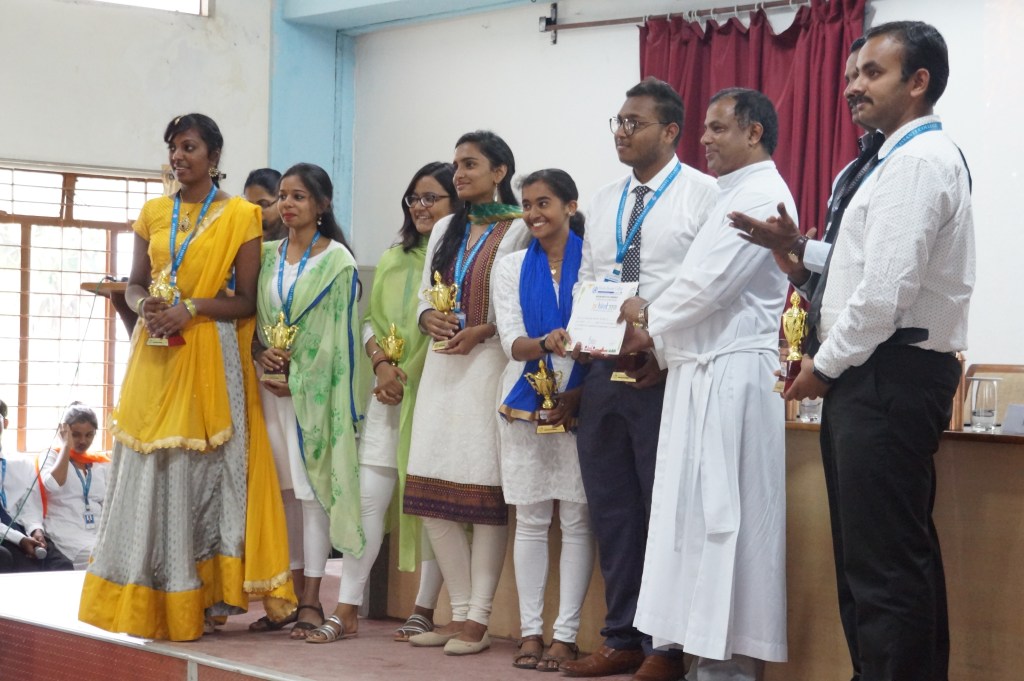
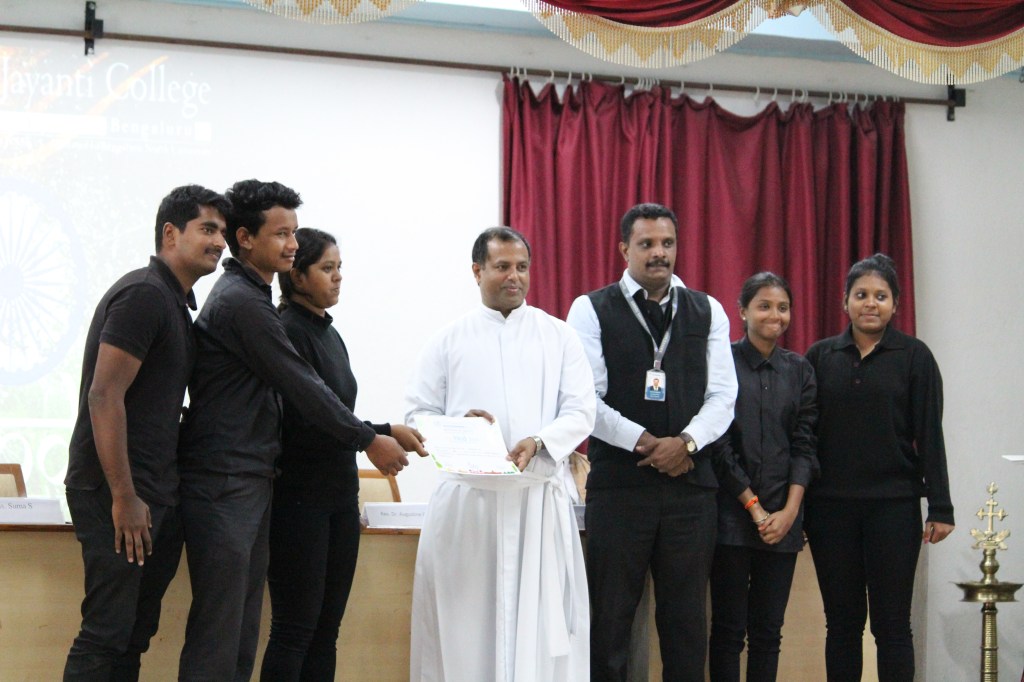
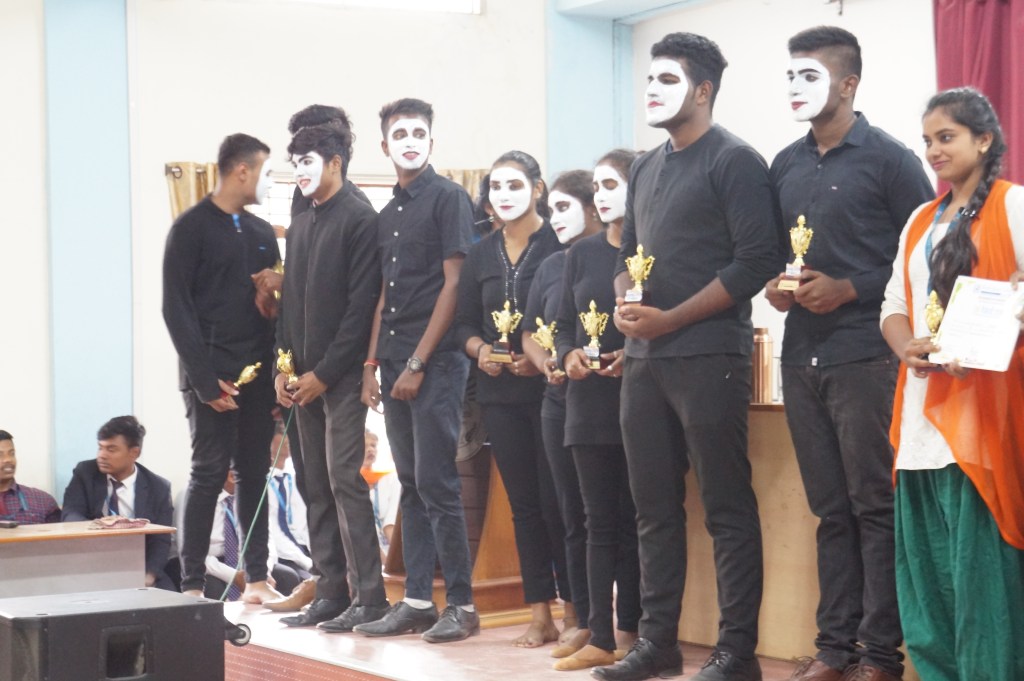
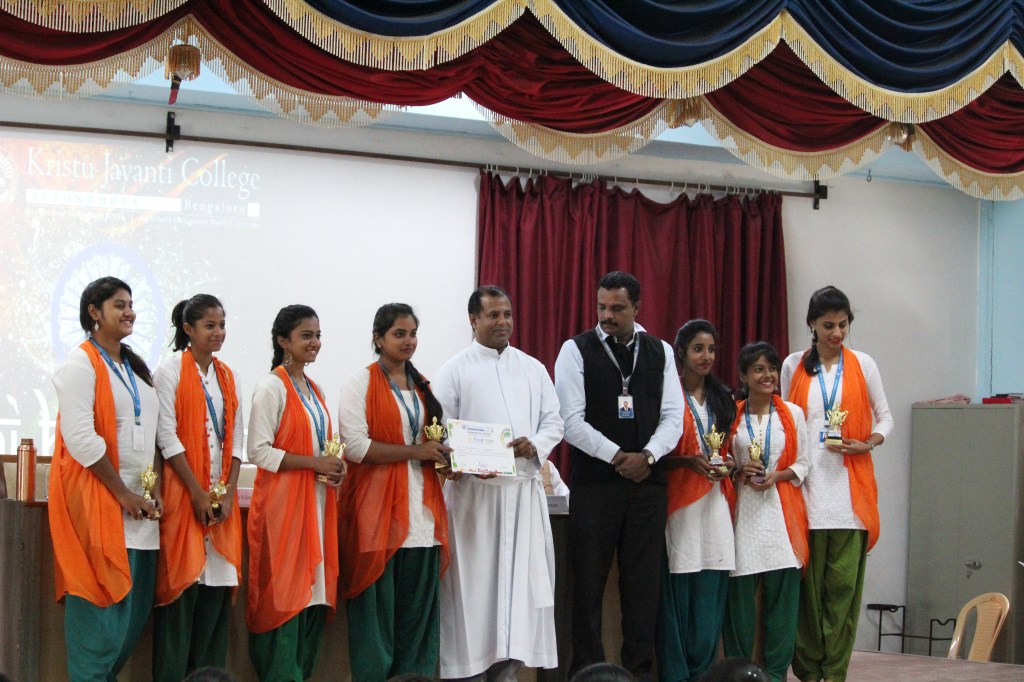
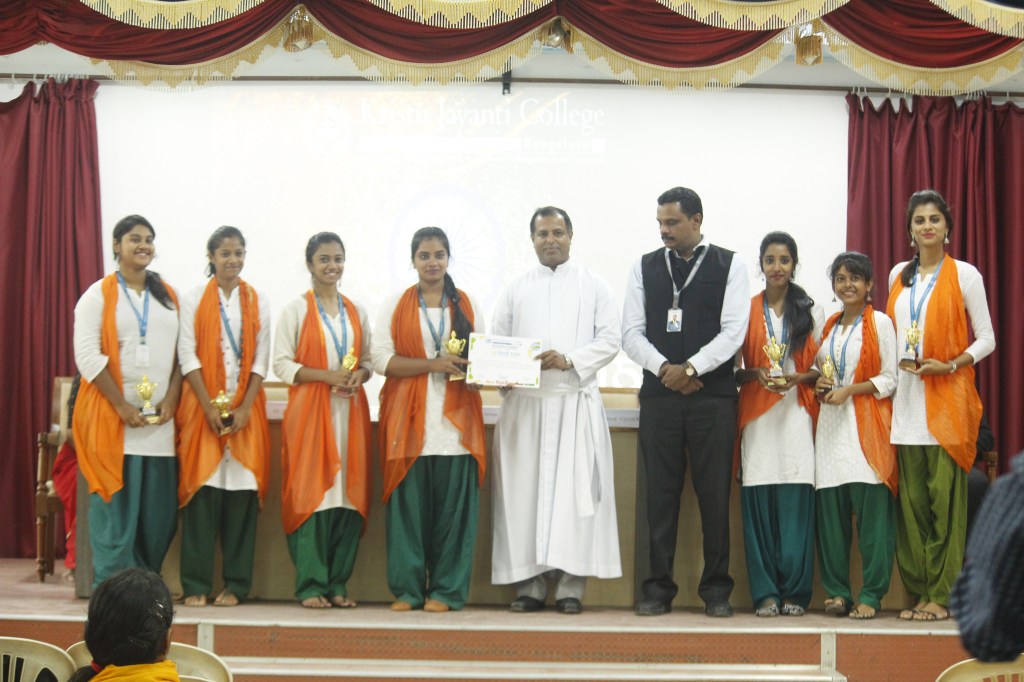
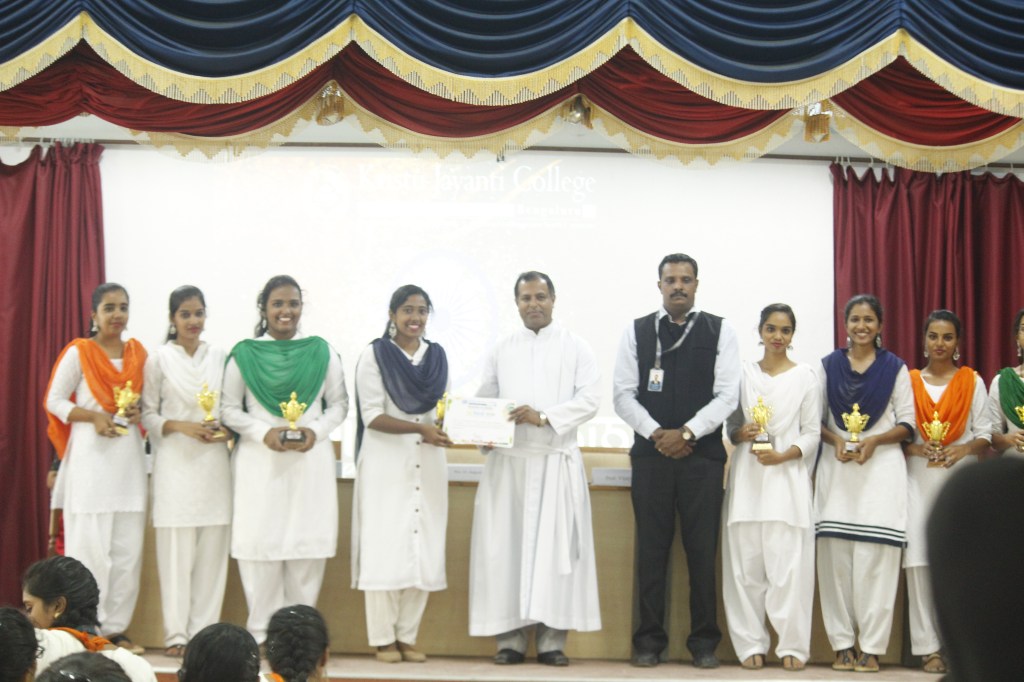
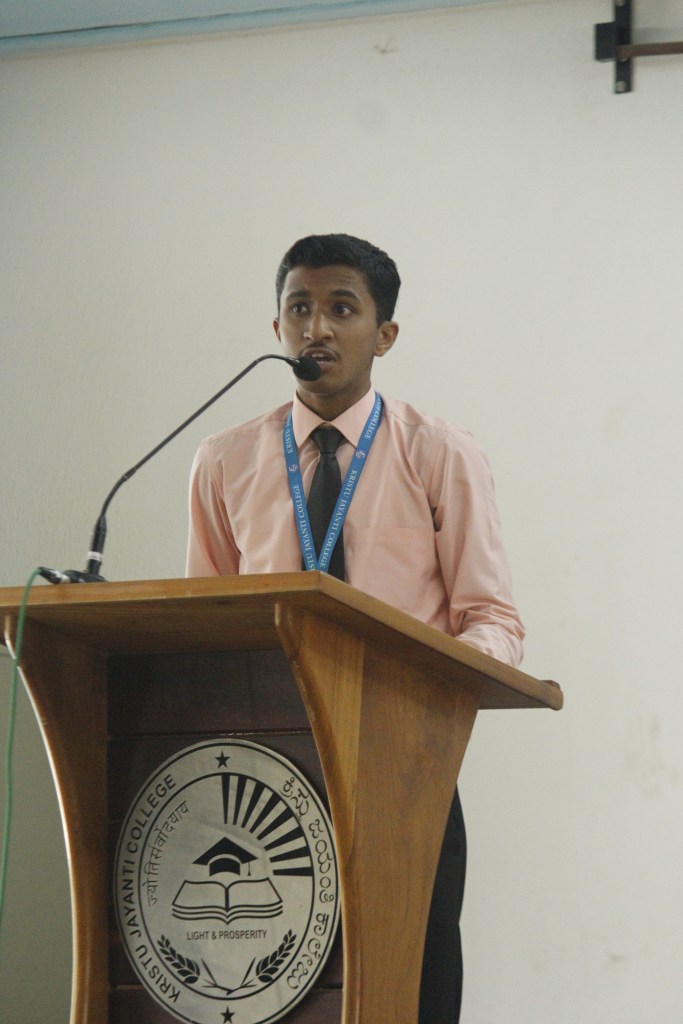
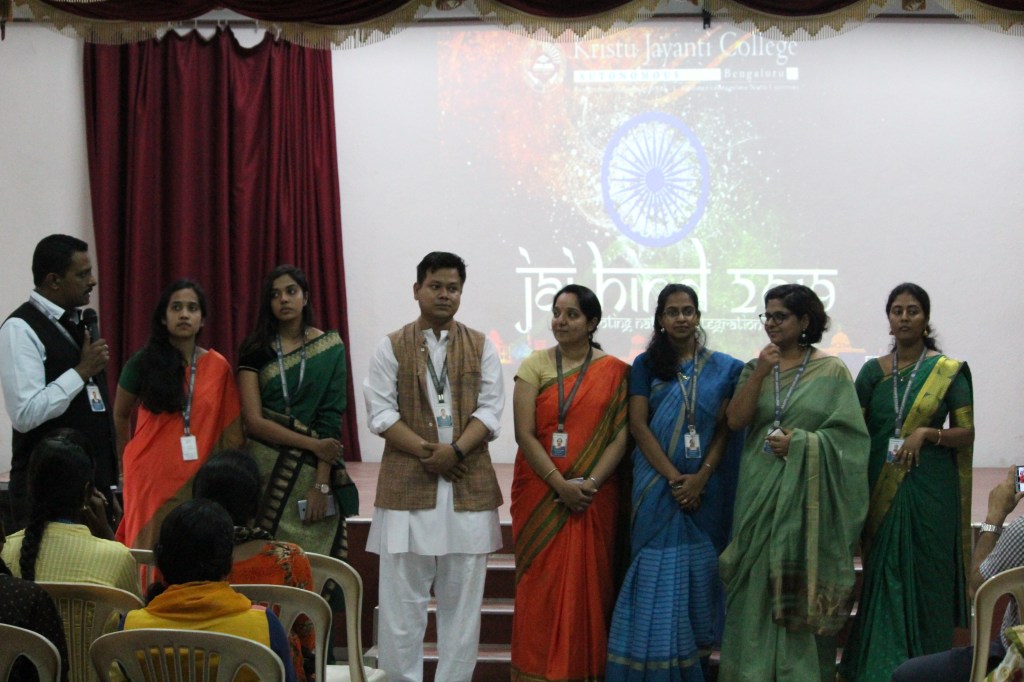
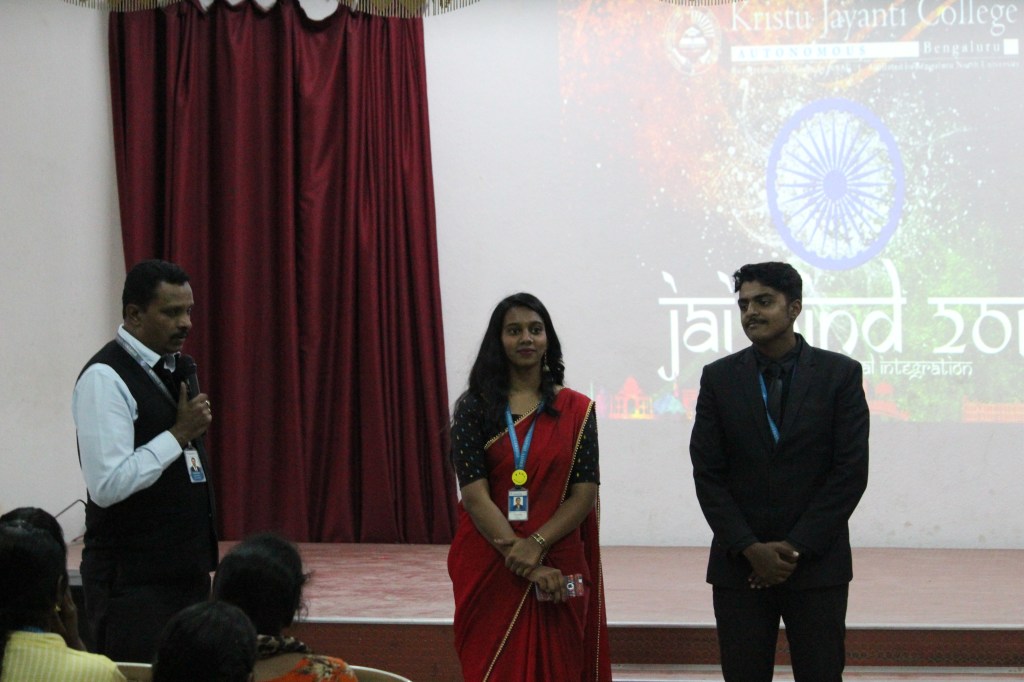
Jai Hind 2019 Formal Programme Date: 14 August 2019 Formal Programme, Prize Distribution and Performance by Prize Winners of Jai Hind 2019.
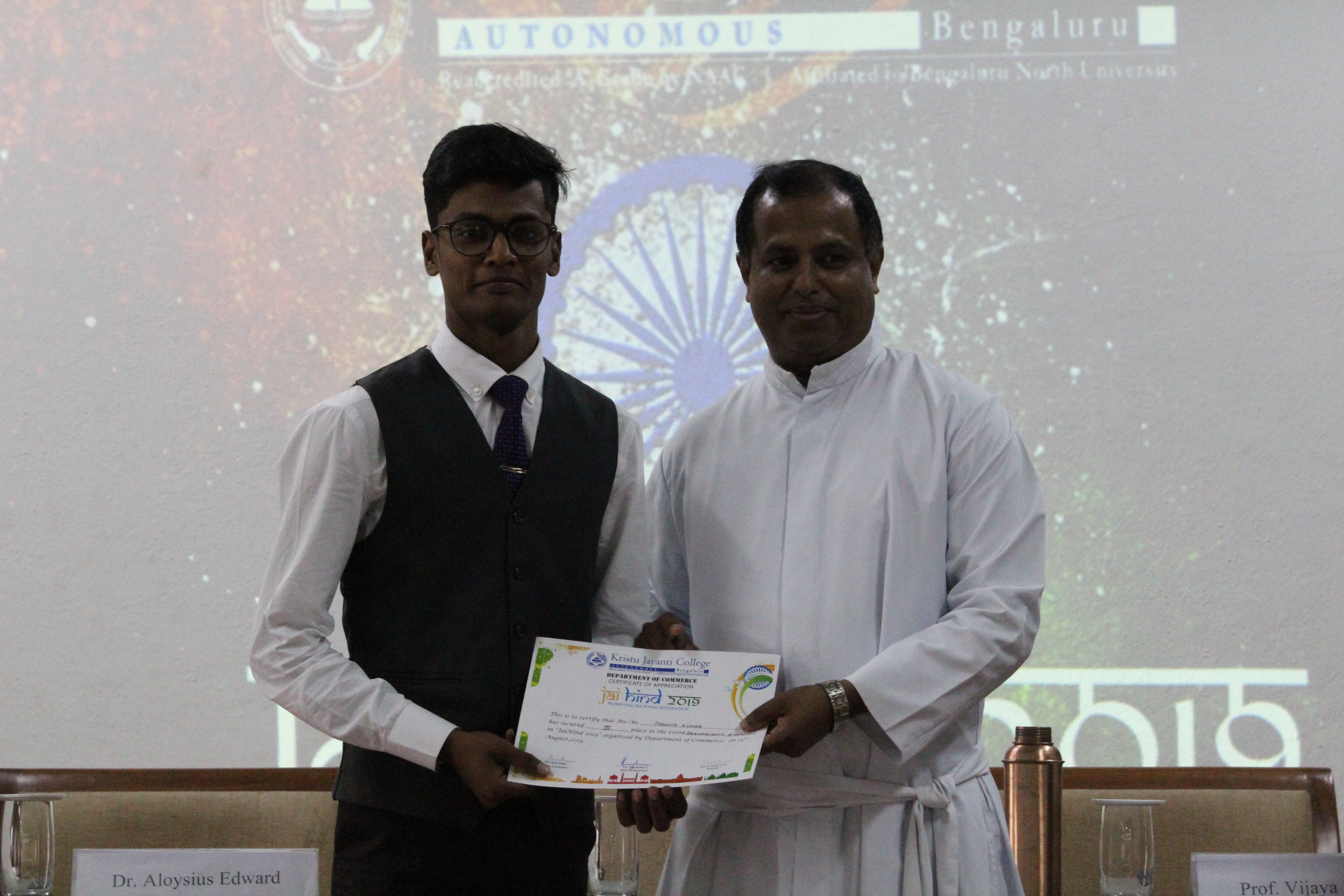
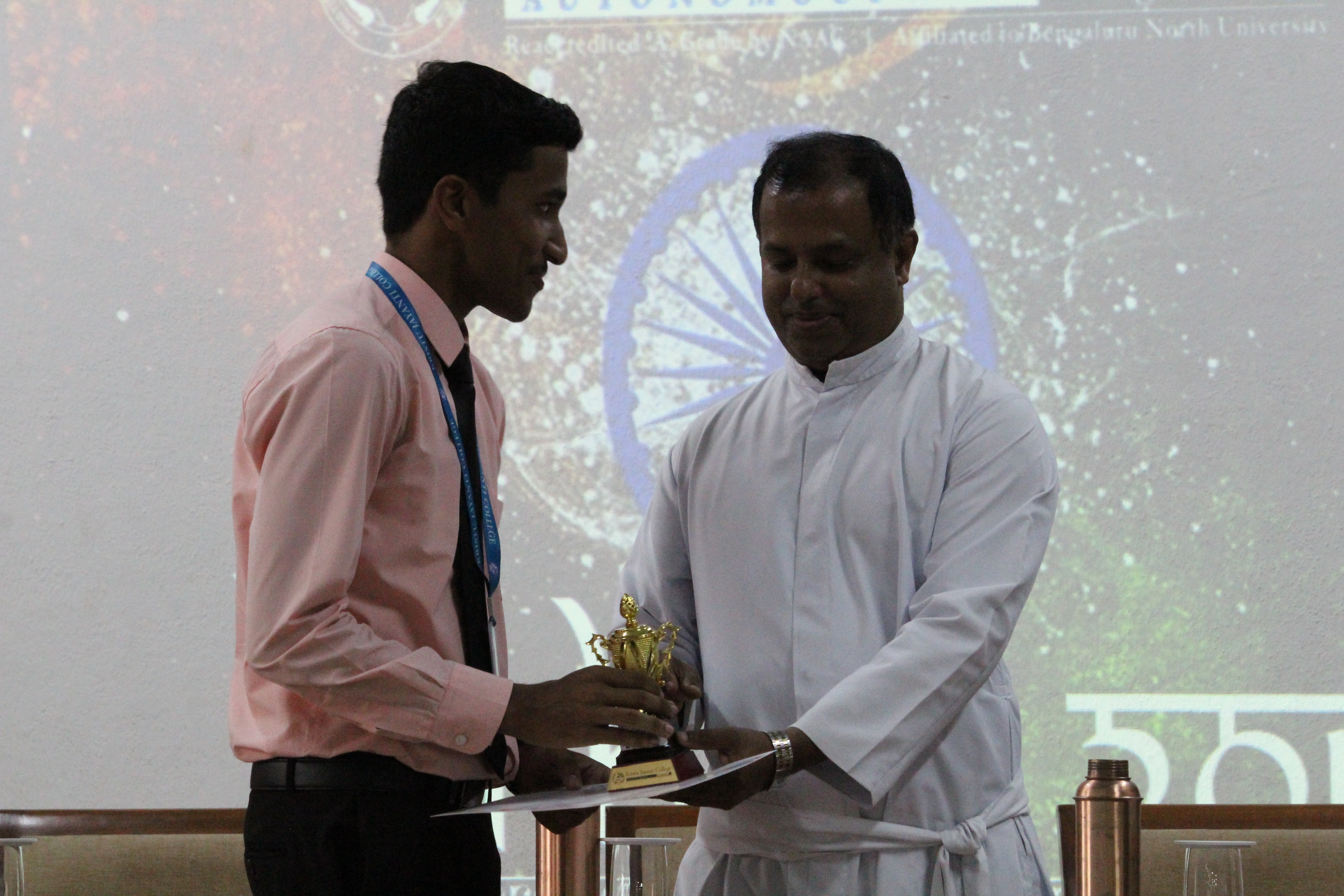
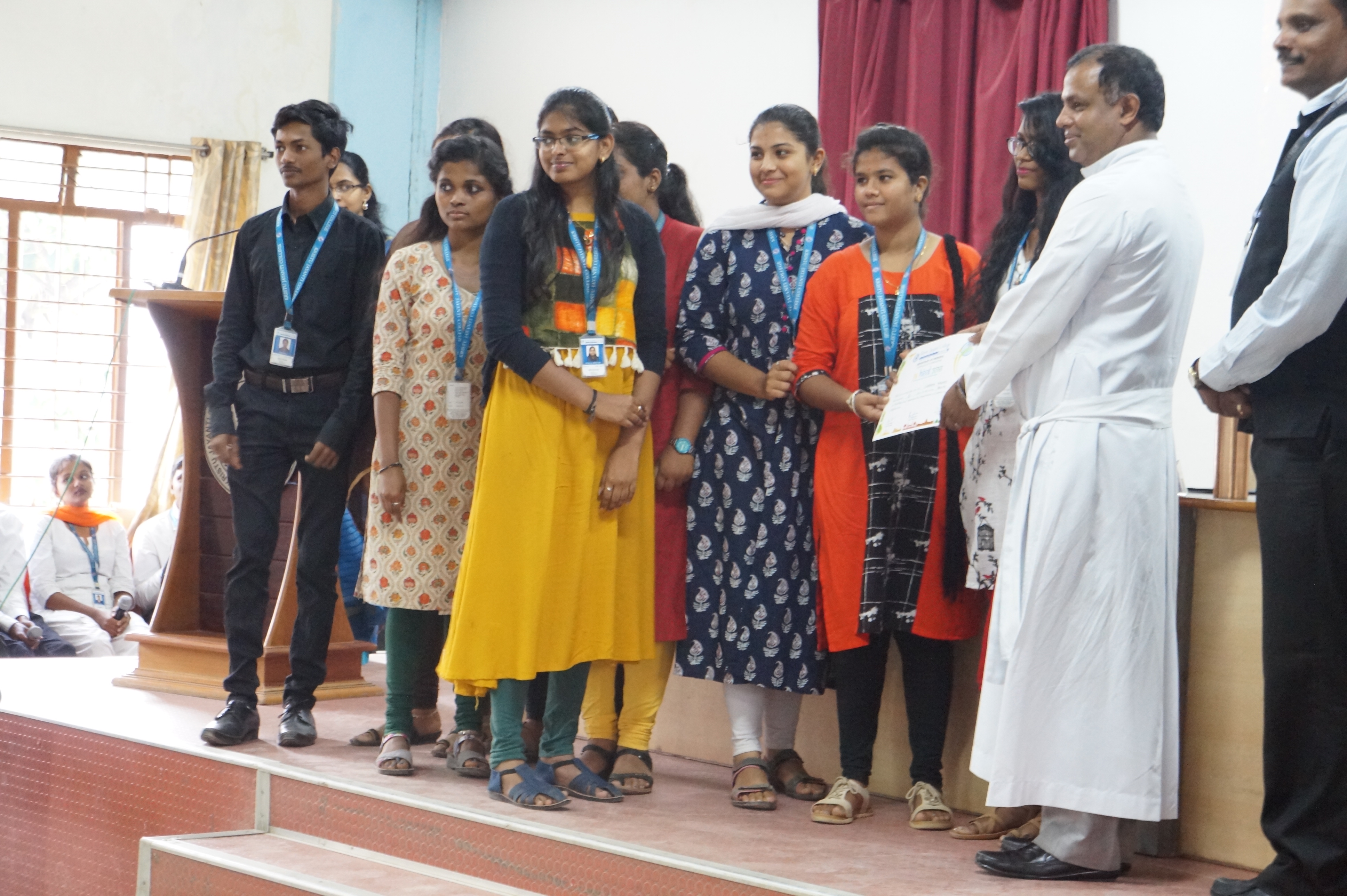
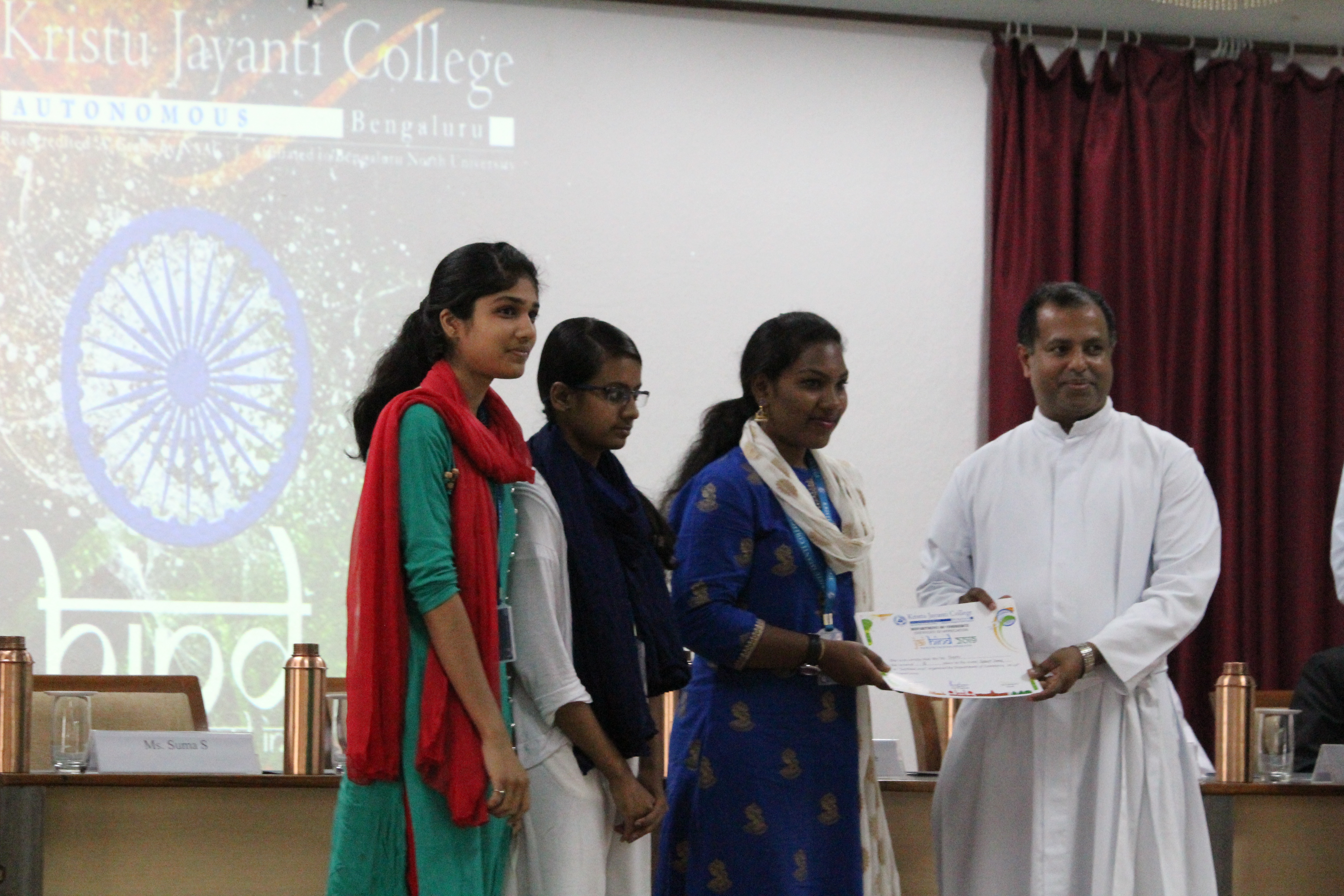
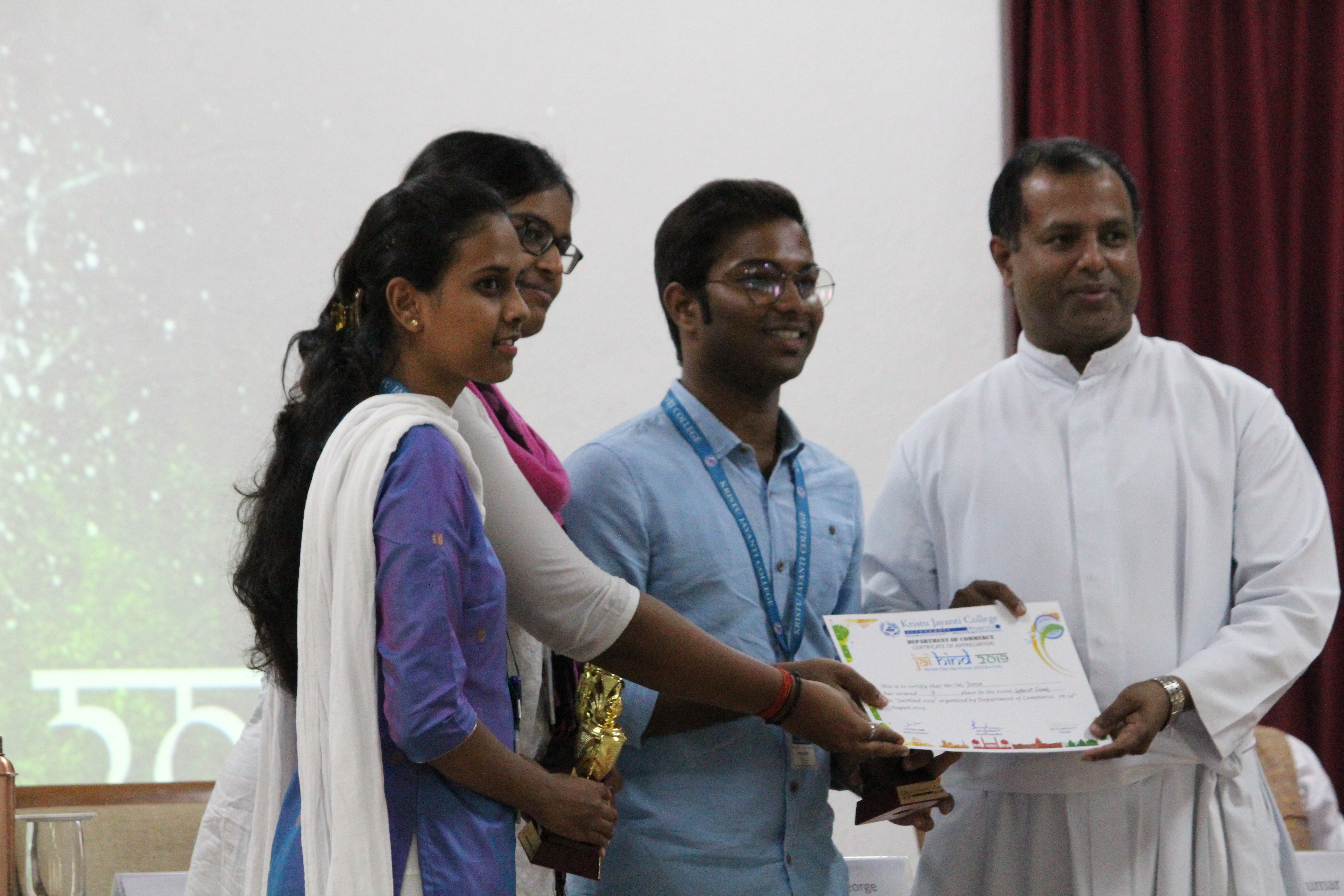
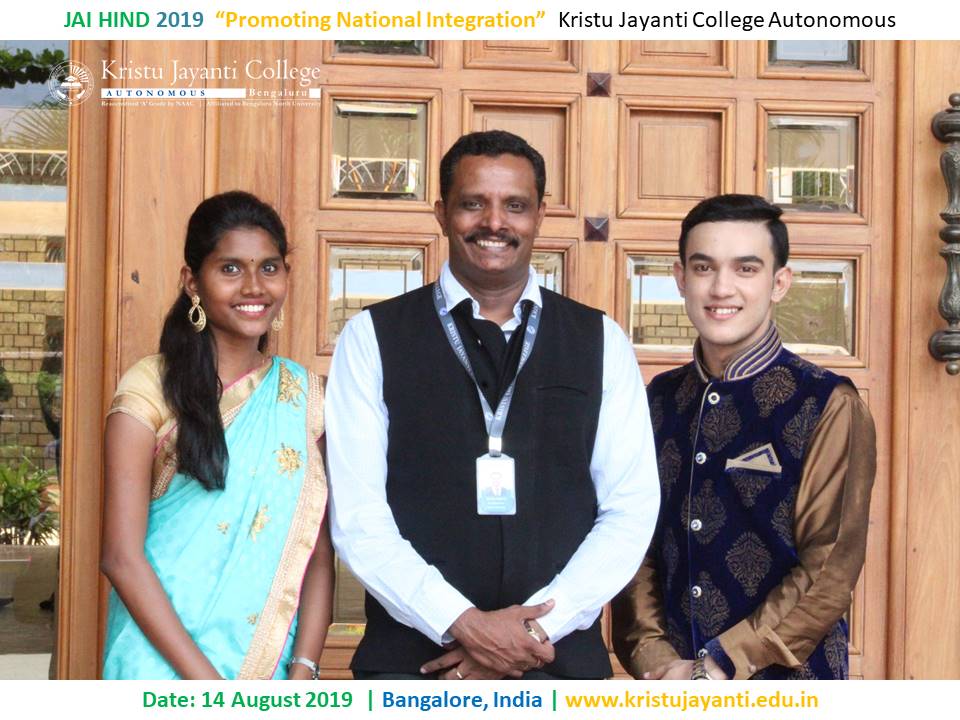
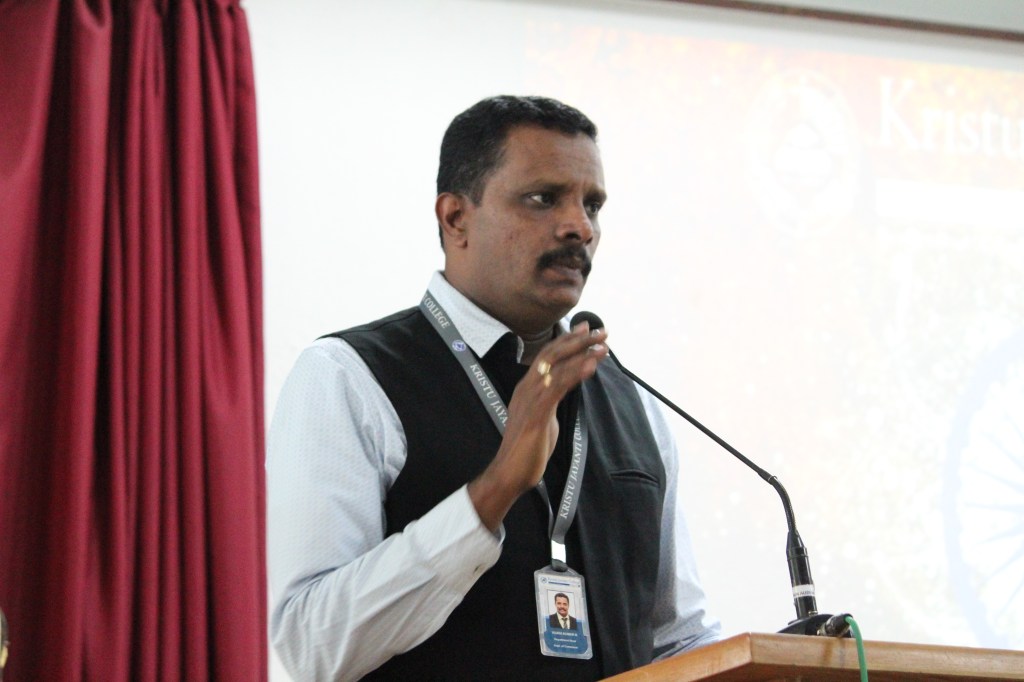
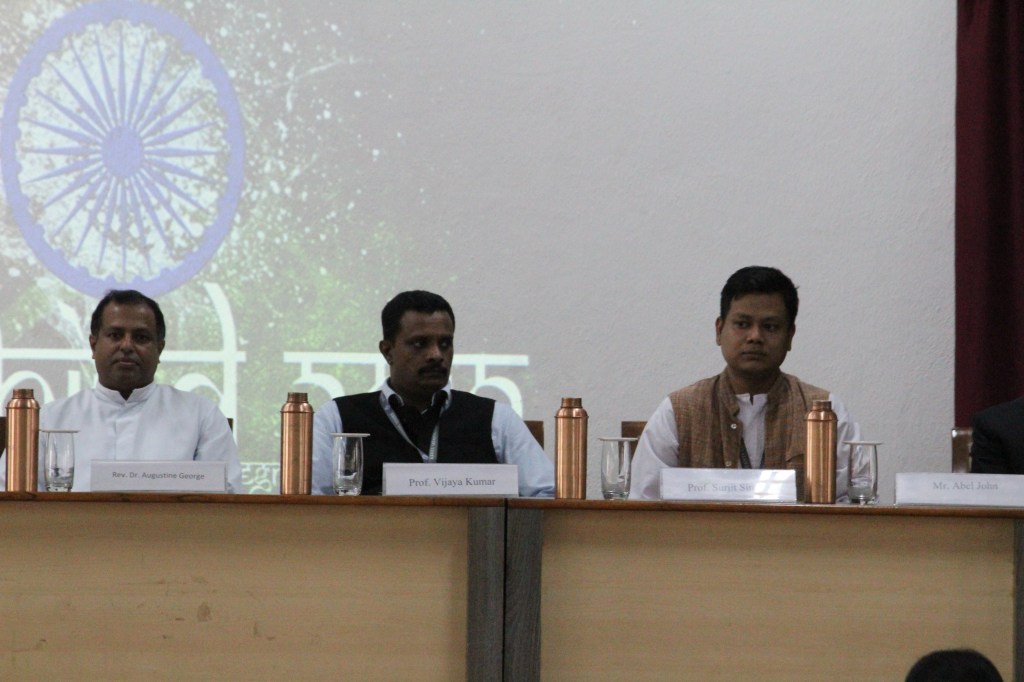
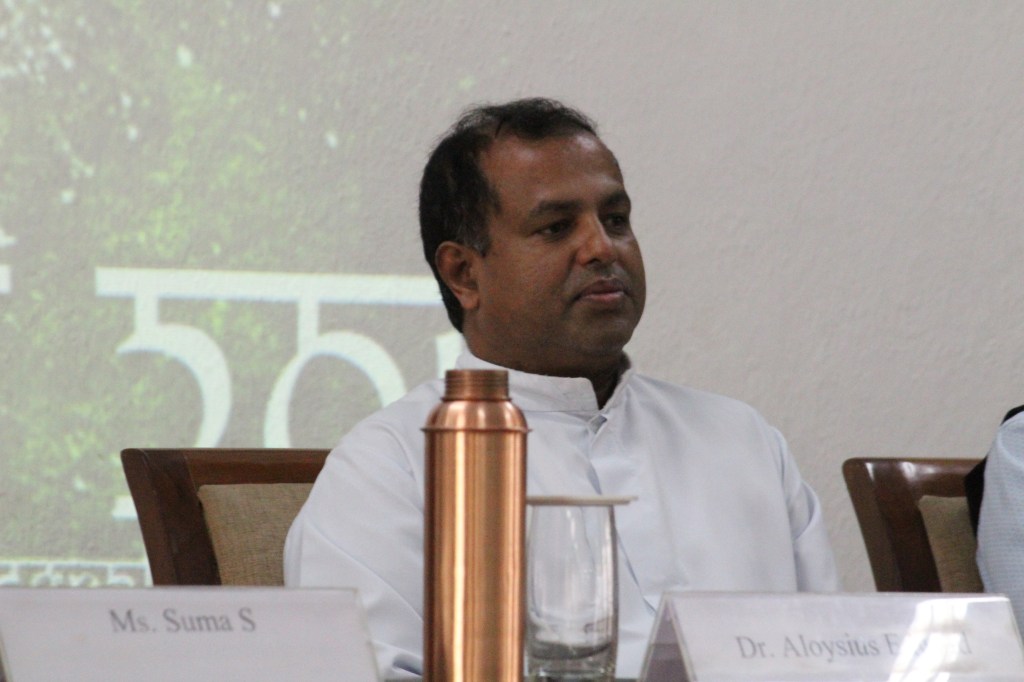
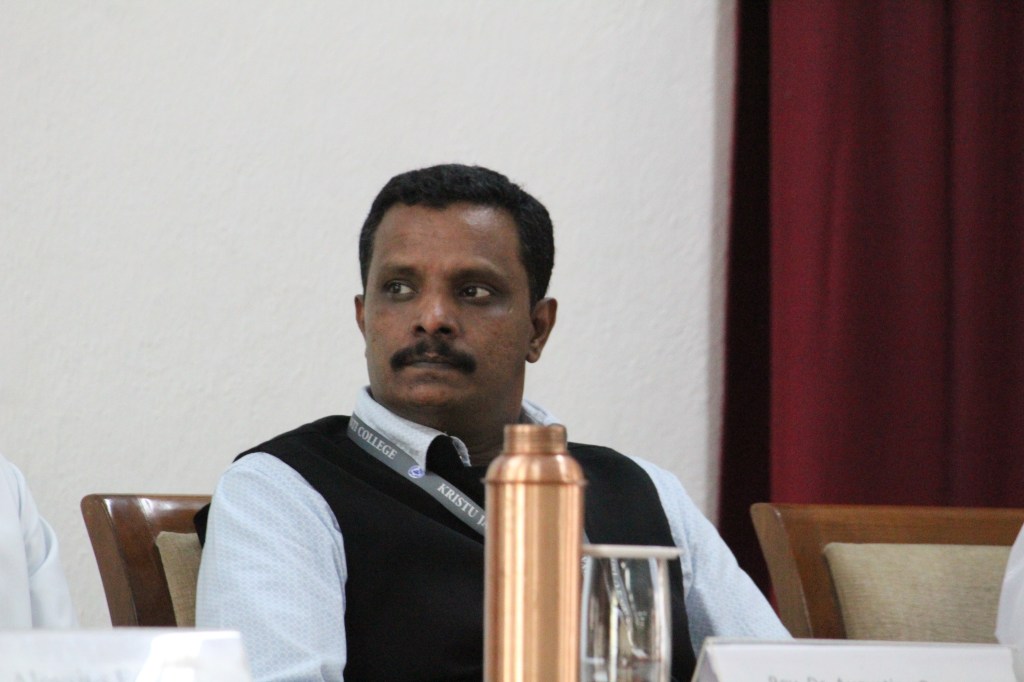
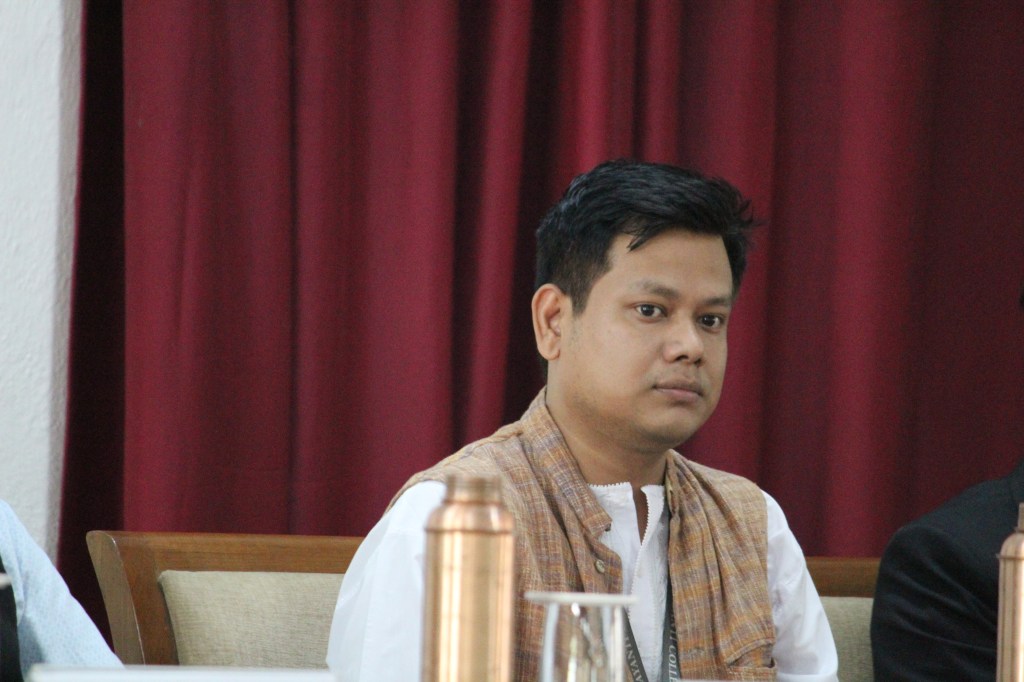
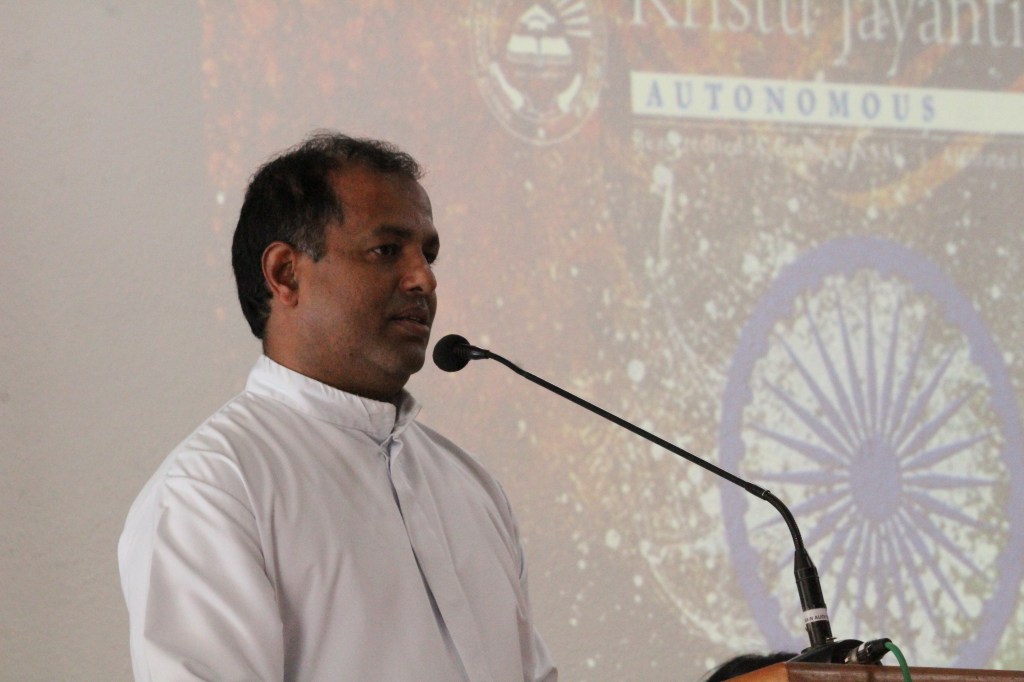
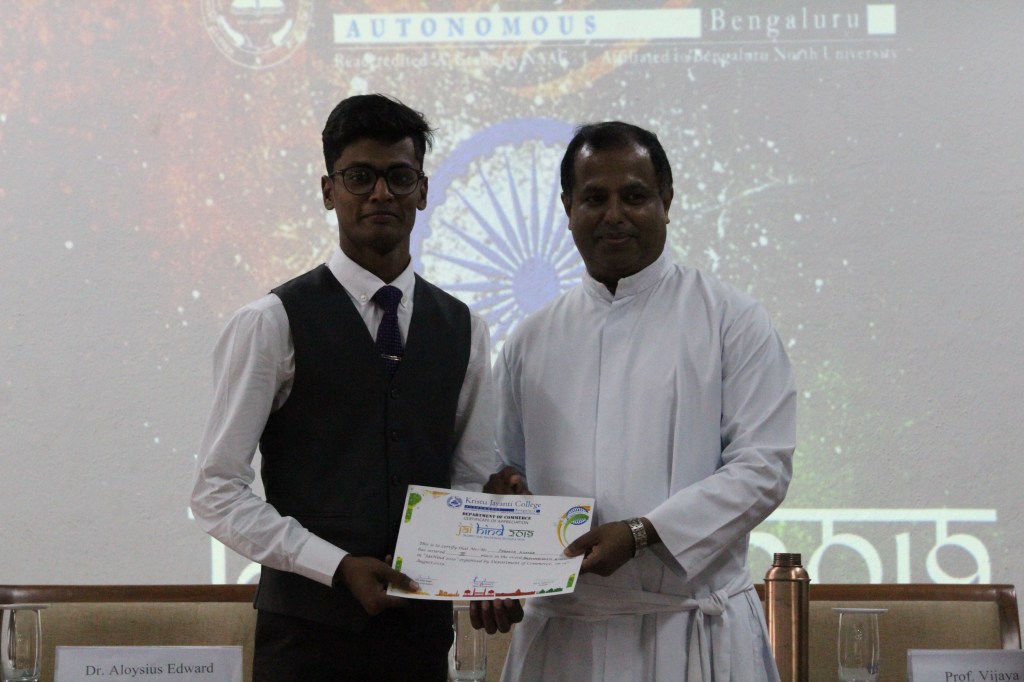
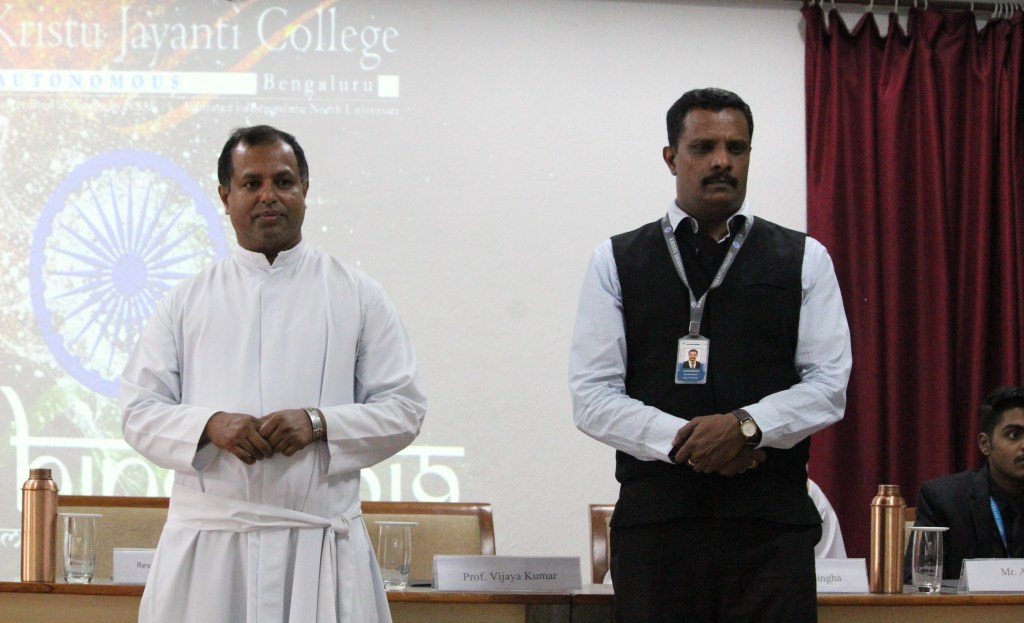
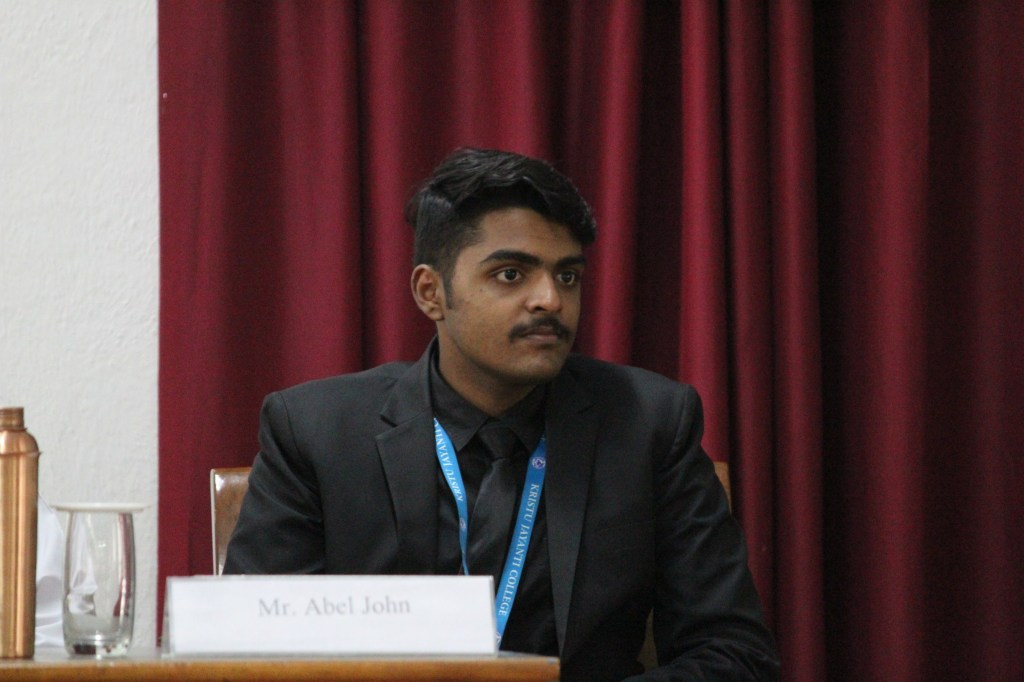
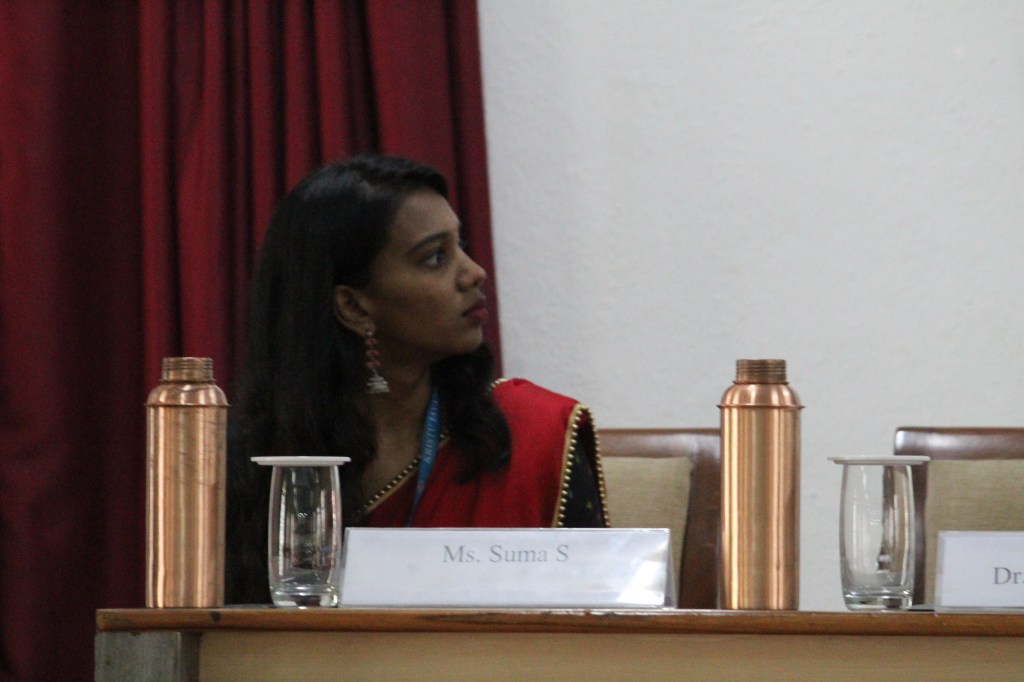
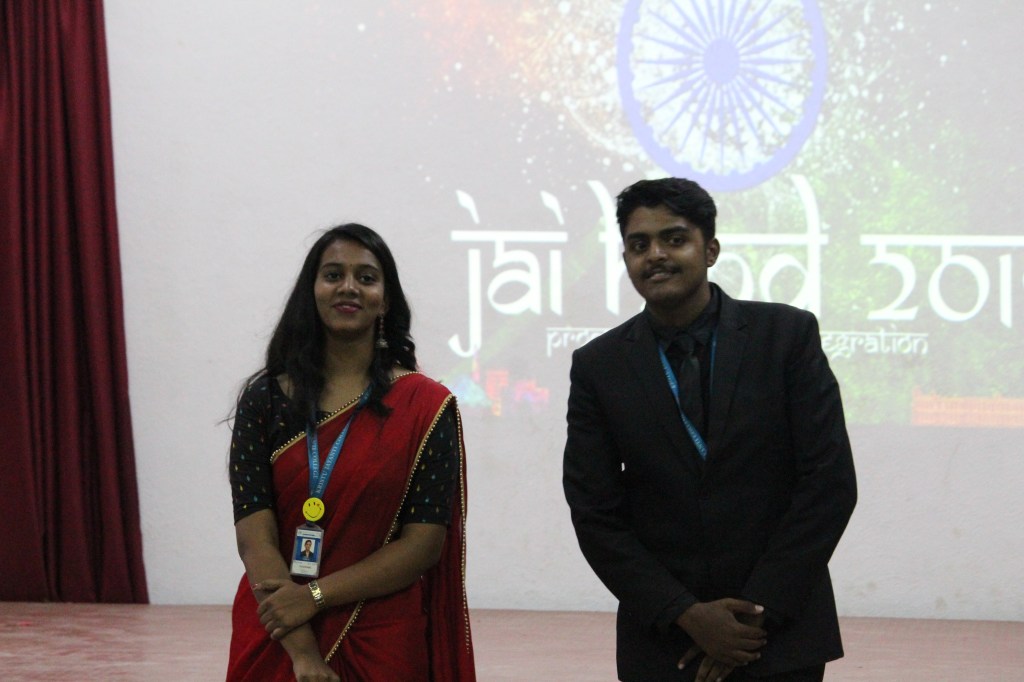
The Formal Function was addressed by the Rev. Fr. Dr. Augustine George (Vice Principal), and the winners of the Jai Hind 2019 were felicitated with Certificate and Memento. The Delegates on the Dais were Rev. Fr. Dr. Augustine George, Prof, Vijayakumar R (HoD Commerce), Prof. Surjit Singha, and Student Coordinators Mr. Abel John and Ms. Suma S.
The event was coordinated and led by a team of faculty members from the commerce department, comprising of Prof Surjit Singha, Prof. Geetanjali Diwani, Dr. Reenu Mohan, Prof. Manjitha Mathew, Prof. Shiny Mathew, Prof. Souparnika V T, Prof. Aishwarya P.
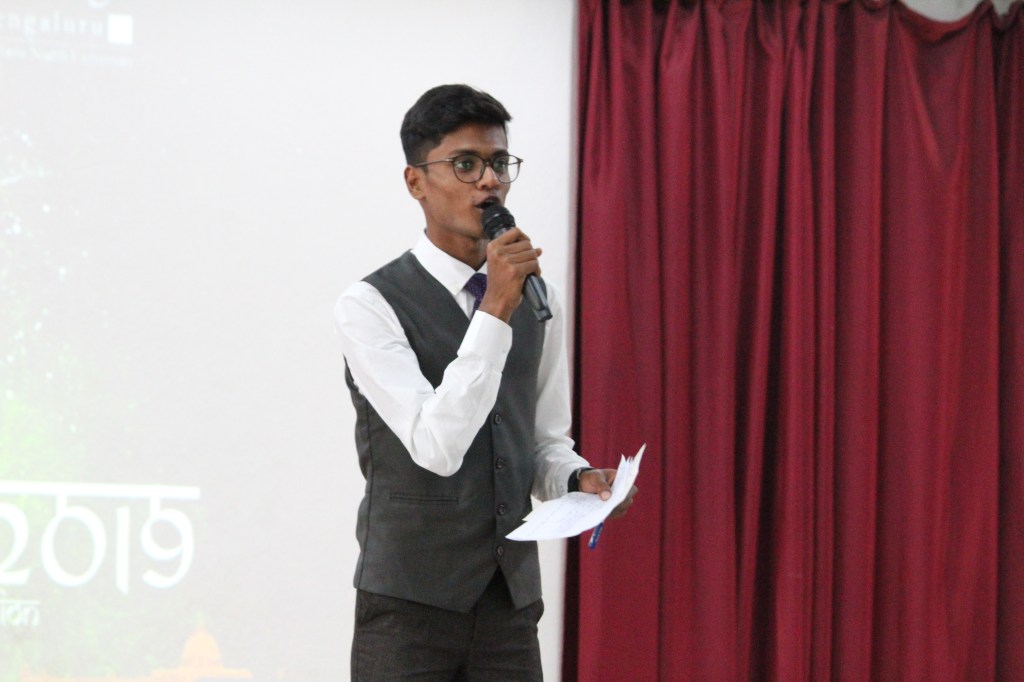
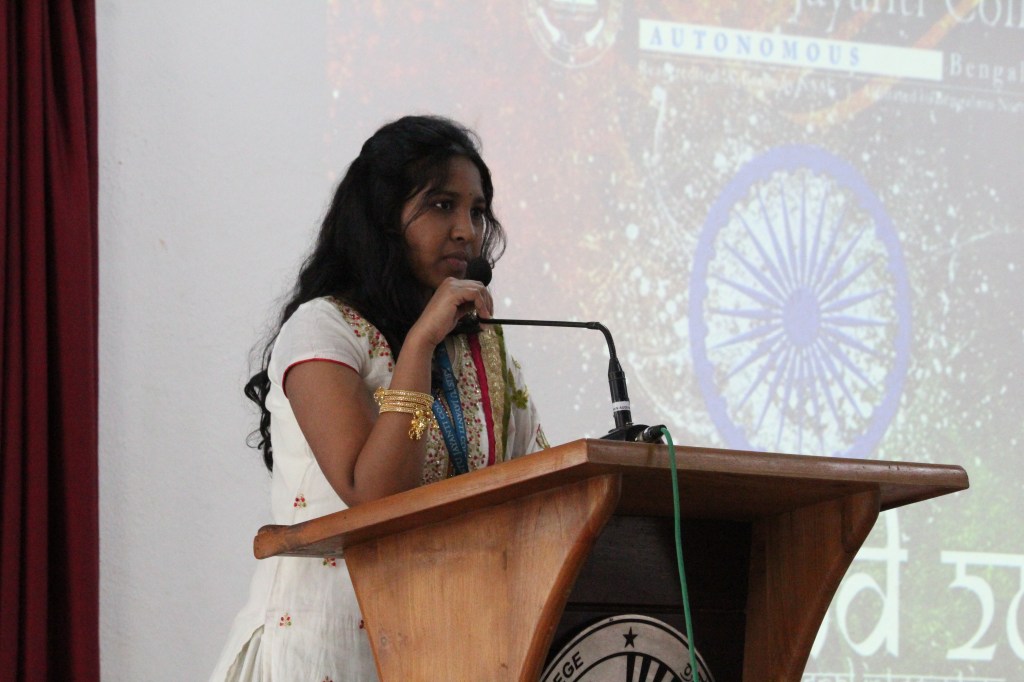
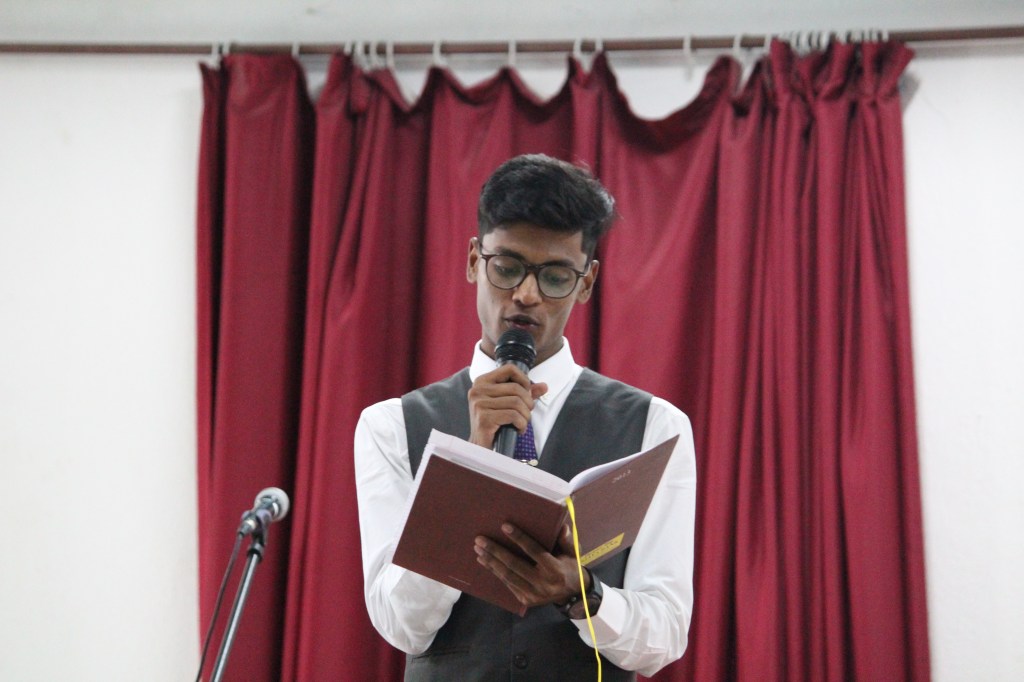
The student MC for the event were Mr. Pramod Kumar P from III Sem BCom E and Ms. Ruksar Taj A from III Sem BCom D.
Swapna Barman hails from the Koch Rajbongshi (Koch) Tribe born on 29 October 1996 Jalpaiguri (Previously Jalpaiguri was an integral part of the Cooch Behar Princely State), presently it is merged with West Bengal, India who is an Indian heptathlete.
She is unordinary with six toes on each foot daughter of Panchanan Barman and Basana Barman. Swapna Barman is the first Indian heptathlete to win a Gold in Asian Games. She gave her best performance by logging 6026 aggregate points from the seven events which were spread for two days. In spite of her severe pain from teeth pain, she gave her best for India.
“I have got this gold on the National Sports day, so it’s really special. I use normal shoes worn by people who have normal five toes. It really pains during training. It is very uncomfortable, whether I wear spikes or normal shoes,” Swapna said with a smile. She said she also overcame a knee injury before the event.
Asked if she would like some companies to manufacture customized shoes for her, she said, “Definitely. It will make life easy.”
En route the title, she won the high jump (1003 points) and javelin throw (872 points) events and finished second-best in the shot put (707 points) and long jump (865 points).
100m (981 points, 5th position) and 200m in which she finished seventh with 790 points. Going into the 800m run, the last of the seven-event competition, Barman was leading China’s Qingling Wang by 64 points.
She needed a good run in the concluding event in which she eventually finished fourth. It was the same event in which she had collapsed during the Asian Athletics Championship last year in Bhubaneswar but despite finishing fourth today, she had emerged a champion.
Asked about the tape on her cheek she said, it was to lessen the pain in her teeth.
“I used to eat a lot of chocolates, so I have a teeth problem. It started paining two days before the event. It was severe but I could not let years of hard work go waste. So I forgot the pain and gave my best,”
“The first day, I thought I won’t be able to compete. It was unbearable. I thought what will happen to my hard work, I had to do it. I forgot the pain.”
“6026 points is big but I could have done better. But I am happy to have won the gold in Asian Games in spite of so many injuries I have been carrying in the last one year and also during this Asian Games,” she added.
Swapna Barman competed in the two-day event with a taped right cheek to lessen pain arising out of teeth infection.
“The teeth problem arose two days before the competition and the pain was severe. I was having a slight knee injury also which I have been carrying since the Asian Championships in Bhubaneswar last year. But I never thought of dropping out of the event,” she said.
Asked how she recovered after trailing behind China’s Qingling Wang on the first day of the event to win the gold, she said: “The lead (by the Chinese) was not much and so I keep trying. Then I did well in the javelin and then I was leading.
“In the last event (800m), I told myself I will do whatever she (the Chinese) do and so I was not bothered about the race, I was bothered about finishing ahead of the Chinese,” she said.
Barman finished fourth in the 800m ahead of Wang to take the gold. She also had made appeals to provide her customized shoes for her “unordinary” feet.
“I have not heard anything about any offer on that front. But it will be good if somebody does that.”
ASK Automotive gives Rs. 12 lakh support to Asian Games Gold Medalist Swapna Barman for the training of 2020 Olympics
ASK Automotive Private Ltd., a leading manufacturer of Friction products, honored gold medal-winning athlete Swapna Barman with a total sum of Rs. 12 lakh for her training and development for the forthcoming Olympics in 2020.
ASK Automotive has recognized the fact that through determination ‘whatever is conceivable is achievable’. Its Chairman & Managing Director, K.S. Rathee never misses a chance to value people who are dedicated, determined and who achieve the glory despite the odds. “I wish Swapna all the best for the Olympics,” said K.S. Rathee. He further stated that stipend amount would be doubled if she brings any medal in the Olympics.
ASK is proud of Swapna Barman and has decided to pay four cheques of Rs. 3 lakh each, so that the athlete can take care of her basic needs and devote her time for upcoming International Events with full vigor and single-minded dedication.
RECORDS
Asian Games
Gold award in 2018 Jakarta Heptathlon
Asian Championships
Gold award in 2017 Bhubaneswar Heptathlon
Federation Cup
Gold award in 2017 New Delhi Heptathlon
About Heptathlon
A heptathlon is a track and field combined events contest made up of seven events. A competitor in a heptathlon is referred to as a heptathlete.
There are two heptathlons – the women’s heptathlon and the men’s – composed of different events. The men’s heptathlon is older and is held indoors, while the women’s is held outdoors and was introduced in the 1980s, first appearing in the Olympics in 1984.
How it works
This is the women’s ultimate all-round test, a seven-event contest covering the whole range of athletics disciplines and spread over two days.
Competitors earn points for their performance in each discipline and the overall winner is the athlete who accrues the most points.
The first day consists of (in order): 100m hurdles, high jump, shot put and 200m. Day two comprises the long jump, javelin, and 800m.
History
Women first competed in the pentathlon – five disciplines – at the 1964 Olympic Games in Tokyo. This format was later replaced by the heptathlon, with the addition of the javelin and 800m. The enlarged event was first contested at the 1983 IAAF World Championships and then the 1984 Olympic Games in Los Angeles.
Did you know
The 7000-point barrier has only been breeched on 10 occasions, and by just four women. Six of those marks came from the US star Jackie Joyner-Kersee. The heptathlon came on to the programme of major events in 1981, at the likes of the Asian Championships and World Student Games.
Gold standard
Sweden’s Carolina Kluft is the most successful heptathlete in IAAF World Championships history, winning consecutive gold medals in 2003, 2005 and 2007. In fact, Kluft was unbeaten in 22 combined events competitions from March 2002 until her international retirement at the end of the 2012 season, a streak which included winning at the 2004 Olympic Games.
Swapna Barman Featured in Femina
Indian heptathlete Swapna Barman, who bagged gold in the challenging track and field event at Asian Games 2018, which was held at Jakarta is featured in the FEMINA cover page of the 2019 Jan Issue. Koch Rajbongshi Tribe is proud of her achievement.
The other sportswomen are Rahi Sarnobat, the first Indian woman shooter to win an individual Asian Games gold in the 25m pistol event; and Vinesh Phogat, who won India’s first gold medal in women’s wrestling at Asian Games 2018 and Hima Das, the sprinter from Assam who won a silver medal in the 400m finals.
Femina had played a significant role to promote sportswomen through their avenues which will help Indian sportswomen to come up and represent our country India.
Swapna Barman: Brand Ambassador of YONO
State Bank of India selected Swapna Barman as the Brand Ambassador for its digital app YONO that makes both lifestyle and banking available through a single app.
The Koch language has not had an established orthography. Various Koch writers have mainly used the Assamese script in their writings since, in the early days, the majority of Koch people attended schools using Assamese or Bengali as the medium of instruction. The Assamese script is associated with the Hindu religion. On the other hand, many other languages of North East India are written in the Roman script, usually associated with westernization and Christianity, e.g., Garo, Khasi, and others.
The opinions within the Koch community itself vary. It is mainly the generation gap that has produced two trends: the older generation favoring the use of the Assamese script and the younger generation being inclined towards the Roman script. In fact, many youngsters are not at all familiar with the Assamese script; many find it difficult to read. There have been many discussions regarding the script issue. In 2007, the All Meghalaya Koch Association (AMKA) arrived at a decision to use the Assamese script for writing Koch. The main reason was the existence of a collection of Koch texts already written in the Assamese script. Nevertheless, some of the Koch writers admit the possibility of a script shift in the future generations.
At the Tezpur orthography development workshop (2009), we suggested that both the Assamese and Roman scripts be used in the Koch spelling guide. The main advantage of such an approach is that we will thus make the spelling guide available to a wider range of potential users: those with knowledge of only one of the scripts or both. Also, while the Assamese script can be used in official writing and education, the Roman script can be used informally and in modern media, such as e-mail and SMS. For this, knowledge of the correct transliteration is essential.
Vowels
In the following chart, the Koch vowel symbols are written as independent letters. Only those Assamese symbols that correspond with Koch native sounds are included here.
অ
আ
অৗ
ই
উ
এ
ও
O o
A a
à ã
I i
U u
E e
Õ õ
[ɔ]
[a]
[ə]
[i]
[u]
[e]
[o]
In a syllabic alphabet, consonants all have an inherent vowel which can be altered or muted by means of diacritics or a matra (specific vowel other than the inherent one) written above, below, before, after or on both sides of the consonant they are associated with. The first column has the inherent vowel.
ক
কা
কৗ
কি
কু
কে
কো
ko
ka
kã
ki
ku
ke
kõ
[kɔ]
[ka]
[kə]
[ki]
ku
[ke]
[ko]
Consonants
Only those Assamese symbols that correspond with the Koch native sounds are used here. The order of the letters is based on articulatory phonetics.
ক
খ
গ
ঘ
ঙ
K k
Kh kh
G g
Gh gh
Ng ng
[k]
[kʰ]
[g]
[gʰ]
[ŋ]
চ
ছ
জ
ঝ
–
Ch ch
S s
J j
Jh jh
–
[t͡ʃ]
[s]
[d͡ʒ]
[d͡ʒʰ]
–
ত
থ
দ
ধ
ন
T t
Th th
D d
Dh dh
N n
[t]
[tʰ]
[d]
[dʰ]
[n]
প
ফ
ব
ভ
ম
P p
Ph ph
B b
Bh bh
M m
[p]
[pʰ]
[b]
[bʰ]
[m]
য়
ৰ
ল
ৱ
হ
Y y
R r
L l
W w
H h
[j]
[ɾ]
[l]
[w]
[h]
Borrowed symbols
The use of these letters is retained in many Assamese loanwords, especially those whose pronunciation in Koch has not changed much or those that entered the Koch language recently.
ঈ
ঊ
ৠ
ঐ
ঔ
I i
U u
Ri ri
Oi oi
Ou ou
[i]
[u]
[ɾi]
[ɔj]
[ow]
ট
ঠ
ড
ঢ
ণ
ঞ
য
T t
Th th
D d
Dh dh
N n
Ñ ñ
J j/Z z
[t]
[tʰ]
[d]
[dʰ]
[n]
[ɲ]
[d͡ʒ/z]
ক্ষ
শ
ষ
স
ড়
ঢ়
–
Kh kh
S s
S s
S s
R r
R r
–
[kʰ]
[s]
[s]
[s]
[ɾ]
[ɾ]
–
Other symbols
’
ৎ
ং
:
ঁ
্
।
’/o
t
ng
h
–
–
.
[ʔ/ɔ]
[t̚]
[ŋ]
[h]
–
–
–
Diphthongs
Representing diphthongs /aj/ as ay, /əj/ as ai, /aw/ as aõ, and /əw/ as au is favoured by Koch writers. Perhaps this is a general Indian trend (a similar representation of diphthongs is found in the Romanization of Tamil). However, there is a problem of over-representation here: the same sound /ə/ is represented both by অৗ (or ã-matra) and আ (or a-matra). The pronunciation of the latter is conditioned by whether it is followed by ই or য়.
অয়
আই
আয়
আউ
আও
উই
এই
oy
ai
ay
au
aõ
ui
ei
[ɔj]
[əj]
[aj]
[əw]
[aw]
[uj]
[ej]
However, it is not uncommon to come aross spellings, such as ãiঅৗই and ãuঅৗউ, especially in Wanang and Kocha varieties.
Conjuncts
When consonants occur in clusters, special conjunct forms are used.
খ্র
গ্র
ত্র
দ্র
ন্দ
ন্ত
প্প
khr
gr
tr
dr
nd
nt
pp
[kʰɾ]
[gɾ]
[tɾ]
[dɾ]
[nd]
[nt]
[pː]
প্র
ব্র
ব্ল
ম্ব
র্ত
ল্ল
–
pr
br
bl
mb
rt
ll
–
[pɾ]
[bɾ]
[bl]
[mb]
[ɾt]
[lː]
–
Numerals
০
১
২
৩
৪
৫
৬
৭
৮
৯
এৰা
ছা
নিঙ
তাম
ব্রি(ঙ)
বোঙ
ক্রোপ
ছিন
গিন
গিছ
0
1
2
3
4
5
6
7
8
9
era
sa
ning
tam
bri(ng)
bõng
krõp
sin
gin
gis
[eɾa]
[sa]
[niŋ]
[tam]
[bɾi(ŋ)]
[boŋ]
[kɾop̚]
[sin]
[gin]
[gis]
Modifications and Spelling Rules
According to E. Berlanda, “It is very seldom that script adoption does not entail modification. Script modification is a tool to bridge gaps between one’s language and the newly adopted script. Sometimes loanwords and foreign language material might be present in a language which is not suitable for a script, which is therefore in need of some kind of reform to accommodate the language’s native and foreign elements in an adequate manner” (Berlanda 2006:50).
Certain modifications of the Assamese and Roman scripts as well as the spelling rules for writing Koch are listed below:
1. The Assamese letter আ and its Roman counterpart a has been modified to অৗ and ã respectively in order to suit the Koch sound [ə] which does not have an equivalent in either Assamese or English as in:
চৗলপৗক
chãlpãk
‘life’
2. The Assamese letter ওis represented by a Roman o with the tilde above, õ, as in:
তাও
taõ
‘hot’
লিতো
litõ
‘is going’
3. The glottal stop [ʔ] which typically occurs word-medially in Koch is represented by an apostrophe (’); in the Assamese orthography, the apostrophe also occurs word-finally where it represents the final অ o which is otherwise not pronounced:
মা’ৱা
ma’wa
‘boy’
বে’এ
be’e
‘where’
কৰ’
koro
‘language’
4. The Assamese letter ঙ, representing a velar nasal [ŋ], is written both word-medially and word-finally thus discarding the otherwise unnecessary use of anuswar[1]ংas in:
পাঙান
pangan
‘many’
ছঙ
song
‘village’
ইঙকা
ingka
‘like this’
However, this rule may need some adjustment, as many Koch writers are comfortable with anuswar, and so it is used in the present dictionary.
5. The lettersঙand য় do not occur word-initially.
6. The letter ছ is selected to represent [s] instead of স which is pronounced as [x] in modern Assamese. However, in many Koch-Rabha writings, the use of স is retained.
ছকা
soka
‘cloth’
সকোক
sokõk
‘cloth’ (K)
7. The prohibitive particle ta plus the main verb are separated by a hyphen (–) as in:
তা-ৰেক
ta-rek
‘don’t do (it)’
তা-আলায়
ta-alay
‘don’t hang (it)’
8. Echo constructions are also separated by a hyphen (–) as in:
Sarat Chandra Singha (1 January 1914– 25 December 2005) ethnically born to Koch Rajbongshi (Koch) Tribe, was a Chief Minister of Assam and a leader of Indian National Congress, Indian National Congress (Socialist) and Nationalist Congress Party.
He was known for his value-based politics, Singha belonged to a rare breed of politicians who sacrificed his life for the welfare of the downtrodden people of Indian society. A true Gandhian, he never compromised with his principle what he preached and practiced. His illustrious political life was a rare combination of honesty, simplicity, and integrity. He was also a writer.
Sarat Chandra Singha
Early life and education
Born on 1 January 1914 to a farmer’s family in Bhakatpara village of Chapar under Dhubri district, of Koch Dynasty (Presently Assam), Singha started schooling from his village school. For secondary education, he attended a High School in Bilasipara Indra Narayan Academy higher secondary school, some 25 km from his home, a distance what he covered daily on foot or by bicycle.
He received his bachelor’s degree from the Cotton College, Guwahati and subsequently moved to Banaras Hindu University for law education. After receiving a law degree, Singha came back to Guwahati and practiced law for a short period and then switched to school teachings in different positions from assistant teacher to the headmaster in Dhubri district. During the reorganization of States on the basis of languages in the early 50s, a section of people in Western Assam tried to merge the undivided Goalpara district with West Bengal. But Singha fought the move alone and kept Goalpara district well embedded within the geographical boundary of Assam.
Political career
Singha entered politics in 1946 through Indian National Congress and elected to Assam state assembly four times from Bilasipara east constituency in 1946-52, 1962–67, 1972–78 and 1985-90.
He was first made an interim Chief Minister in 1972 by Indira Gandhi and subsequently became an elected chief minister and served till 1978. He also served the Congress Party in various positions and capacities like the general secretary, vice-president, and president. However, he later joined Indian National Congress (Socialist) after the emergency era which was imposed by Indira Gandhi and became the national president of it in 1987.
Singha faced some challenging task in his tenure of chief minister-ship like shifting the state capital from Shillong to Dispur when Meghalaya was carved out of Assam along with Shillong and the language agitation in 1972, which rocked the state, a demand for the introduction of Assamese as the sole medium of instruction in Assam.
He was instrumental in setting up the Guwahati Medical College and Hospital and Bongaigaon Refinery and Petrochemicals Limited. He believed in the decentralization of power and introduced Panchayati Raj in the State for the welfare of the backward communities. He also sowed the seeds of the cooperative movement in Assam to boost State’s economy.
When Sharad Pawar left the Congress to form the Nationalist Congress Party, he joined him and led the party in Assam till his death. A man of the masses, Singha became a living legend during his lifetime. He was the most common man in an uncommon society.
Like a young man at the age of 90, he attended literary discussion, drama workshop, dharna, hunger strike or trade union meeting. He died on 25 December 2005 at his Guwahati residence due to old age ailments.
Singha played a major role not just in preventing Undivided Goalpara district from being clubbed with East Pakistan during Partition, but also from being included in West Bengal. He failed, however, despite putting up a tough fight, in preventing Cooch Behar and Jalpaiguri — originally part of Koch Dynasty — from being merged to West Bengal.
Sarat Chandra Singha (Third from the Left)
Old Undivided Goalpara Districts, Bijni State, Sidli State, Beltola State, Darrang State which was ruled by the Koch Tribe are presently part of Assam and Cooch Behar Princely State which is presently part of West Bengal was originally part of the Koch Dynasty alias the Kamatapur Kingdom before being merged with the dominion of India.
It happened nearly three decades ago. Sharad Pawar, then a Congress leader, was with party colleagues at Azad Maidan in Mumbai, where an AICC session was to begin that afternoon. He noticed a tall, lean man walking towards them from the Victoria Terminus (now CST) railway station. The man had a suitcase in one hand and bedding on his head. As he walked up to the group, a stunned Pawar realized it was Sarat Chandra Singha, the Chief Minister of Assam! He had traveled for more than two days in a third class railway compartment from Guwahati because that was all he could afford. The AICC session was not a government function, and so he couldn’t have used the resources of his state.
The anecdote is part of a chapter in Sharad Pawar’s autobiography, On My Terms: From the Grassroots to the Corridors of Power.
Pawar’s experience was not his alone. “He (Singha) was made of a different material altogether. Who would now believe that Singha had picked up his suitcase and walked 5 km from the CM’s bungalow to his private residence as news came that the Congress had lost the 1978 Assembly elections, journalist Homen Bargohain wrote in his newspaper column at the time of Singha’s death.
Singha’s father Lalsingh Singha ensured that his son always carried his slate and pencil while accompanying him to the paddy fields. Little Sarat learned his arithmetic tables by counting his and his father’s footsteps to the weekly village market. “Sometimes he would ask me to multiply the footsteps, sometimes divide,” Singha had said, recalling his childhood in a lengthy interview with All India Radio, Guwahati, about 30 years ago.
He was a true Gandhian who wore khadi, and taught his students the art of making paper from straw. After becoming CM, he often spent his spare time in the CM’s bungalow in Guwahati by sewing national flags out of khadi cloth he would procure from the local khadi bhandar.
“I would often find him continue to sew national flags even when taking briefs from senior officers like Gandhiji used to work on his charkha,” recalled JP Saikia, a journalist-turned-bureaucrat who served as a senior publicity officer under Singha. At the time of the Emergency, he turned his creative energies to what was then the Congress line — coming up with slogans, jingles and, most interestingly, a list of 20 different things that citizens ought to do, each beginning with a letter of the word ‘twenty-point-programme’ which itself had 20 letters, Saikia said.
Singha, who was an aggressive village-level organizer in undivided Goalpara district — setting up schools and cooperative samitis and organizing campaigns against liquor and opium — entered politics rather by accident. “Elected to the Dhubri local board in 1945, Singha was literally taken to Guwahati by veteran Congress leader Mahendra Mohan Choudhury (who later served as Chief Minister of Assam and Governor of Punjab), who then got him a Congress ticket to contest the state Assembly election of 1946. The party had given him Rs 750 as election campaign expenses, but on completion of the campaign, he duly went and returned Rs 250 that remained unspent,” wrote Khagendra Nath Baishya, a former Secretary of the Assam Legislative Assembly.
Another story is about Singha at the first sitting of the Assembly 20 days after Independence. “Even as (the) Speaker… announced the first day’s proceedings with a resolution of gratitude to Mahatma Gandhi…, the 33-year-old Singha stood up, raised a point of order and said that the legislators ought to take oath once again because when they had first joined the House, the oath was taken under a foreign government,” wrote Baishya.
Singha played a major role not just in preventing Goalpara district from being clubbed with East Pakistan during Partition, but also from the district being included in West Bengal. He failed, however, despite putting up a tough fight, in preventing Cooch Behar and Jalpaiguri — originally part of Koch Dynasty — from going to West Bengal.
Singha was a strong believer in, and practitioner of value-based politics. Old-timers in Guwahati still remember two sights. One, television visuals of Singha clearing knee-deep water from his house after a heavy downpour. And two, a dhoti-clad old man vacating his seat for women commuters in a city bus. These images are now part of a gradually disappearing folklore in Assam, as people and the media keep talking about the assets of politicians jumping several times every time there is an election.
Former CM statue unveiled as a centenary tribute – First sculpture of Assam’s ‘illustrious son’ installed in heart of Dhubri on Swahidi Diwas
Sarat Chandra Singha Statue
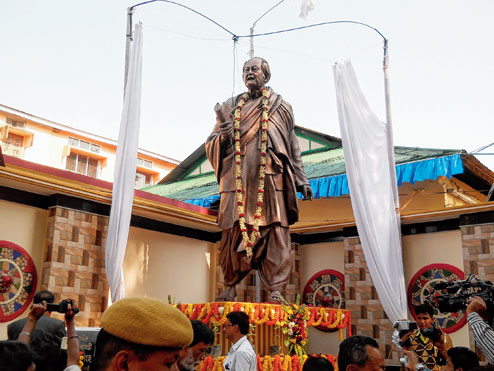
The statue of Sarat Chandra Singha was unveiled on 10 December 2013, in Dhubri town. Dhubri paid tribute to its illustrious son, Sarat Chandra Singha, just ahead of his birth centenary by unveiling his first statue in Assam on Swahidi Diwas (Martyrs’ Day), today.
The statue of Assam’s fifth chief minister was unveiled by Dhubri deputy commissioner Kumud Chandra Kalita in the heart of the town, opposite Dhubri circuit house and the office of the superintendent of police.
Kalita said he was highly inspired by Singha’s humbleness and simplicity. Recalling his university days, he said he often used to meet Singha in Guwahati’s buses and vacated his seat for the jananeta (leader of the masses).
“It is a great privilege that I have got the opportunity to unveil the statue of this great, down-to-earth man. He was the son of this district, a farmer’s son who fought hard to bring revolutionary changes in the fields of co-operative movement, Panchayati raj, and the land ceiling act,” he added.
Kalita said it was time to rediscover the ideology, principles, and philosophy of the charismatic leader. “This statue will definitely act as a symbol of inspiration for the coming generation,” he added.
Addressing the meeting, Kalpana Roy Singha, wife of Major (retd) Prasanta Kumar Singha, the second son of the former chief minister, recalled the days she had spent with him. She said her father-in-law was a very different man.
“It is not easy to define him because it is not possible to express everything in a speech or even a book. He led a simple life without troubling others but remained deeply concerned about the common people. He made every effort to eradicate poverty,” said Roy Singha, who is the head of the department of physics at Assam Engineering College.
Talking to The Telegraph, Major Singha said he was very pleased with the initiative and efforts of the Dhubri DC and the local people. “But we will be more pleased if we see the next generation following his principles and if it helps to uplift the underprivileged. My father will remain a father to me and not the former chief minister. I have been following his teachings and moral values of life and ethics,” he added humbly.
Earlier, Haider Hussain, litterateur, and journalist who released a souvenir Sarat Smriti, spoke at length on the life and politics of Sarat Chandra Singha and his association with him. Sarat Smriti has been jointly edited by Upendrajeet Sarma, a professor at BN College, and Joydeep Barua, journalist and social worker.
“Singha was an unparalleled leader and his every step was for the betterment of society. He was least concerned about himself and had discarded all comforts of life. It is unbelievable how a man of his stature could lead such a simple life with a strong belief in himself. Singha has to be rediscovered for his deeds,” Hussain added.
Sarat Chandra Singha College of Agriculture
Sarat Chandra Singha
Sarat Chandra Singha College of Agriculture (SCSCA) had its origin in the Faculty of Agriculture, Assam Agricultural University, Jorhat. The college functioned from Faculty of Agriculture, Jorhat during first 4-years of its existence. The foundation stone of the college was laid at Rangamati on 7th of February, 2009 by the then Chief Minister of Assam Dr. Tarun Gogoi, Hon’ble in presence of a hosts of Ministers including the former Minister of Agriculture & WTP Smt. Pramila Rani Brahma. The full-flagged campus of SCSCA, Dhubri was inaugurated on 22nd August 2014. Dr. Ranjit Sarma was appointed as the first Associate Dean of the college. The Academic Session of SCSCA was also started at its own campus from August 2014 itself and enrolled the 5th batch comprising of 25 numbers of students for a 4-year Degree Programme leading to B Sc. (Agri.) degree. As the permanent campus of the college at Rangamati in Dhubri district was inaugurated on 22nd August 2014, the Foundation Day of the college is celebrated every year on 22nd August.
Goal and Objectives
1) The goal of the college is to generate technically sound quality human resource in the Agricultural & allied sectors, also to generate ground-breaking agricultural technologies and dissemination of the same through extension activities for the improvement of the socio-economic condition of the farming communities of Assam on a sustainable basis.
2) To achieve the goal of the college, the specific objectives are to produce globally competitive B. Sc. (Agri.) graduates and active involvement of faculty in technology generation and dissemination process.
Eligibility for Admission
Admission is strictly on merit basis and on the criteria as prescribed by the Academic Council, AAU from time to time. A candidate who has passed 10+2 examination in Science stream or an equivalent examination with Physics, Chemistry and Biology (or Botany and Zoology in place of Biology) of recognized University or Board securing 50% marks (45% for SC/ST candidates) in aggregate is eligible for admission. Also, the candidate should not be less than 17 years of age on the last date of submission of application.
Counseling and admission of the selected student are carried out as notified by the AAU authority.
Academic Programme
The College offers B.Sc. (Agri.) Degree Programme, which is of 8 (eight) semesters (minimum 4 years) including one semester for Rural Agricultural Work Experience Programme (RAWEP) and one semester for Experimental Learning Programme (ELP) as per Academic Regulation of Assam Agricultural University, Jorhat.


















 Surjit